10 Mandala Sketch Ideas
Introduction
You find a quiet corner in your home as evening light softens the room. Sketching promises a gentle pause, but you wonder where to begin. Mandala patterns can guide your focus and create a serene atmosphere. Each design adds a thoughtful touch to your living space or garden. These ten mandala sketch ideas bring presence and beauty to your creative moments.
How to start drawing
We often overthink the symmetry and detail needed for mandalas. Breaking the process into simple steps helps to ease this pressure. Start with basic shapes at the center and build outward. This minimal approach invites relaxation and steady progress.
- A small circle or dot in the middle
- Simple petals or lines around it
- Repeating shapes in rings
Simple Supplies for This Style
You need just a pencil, an eraser, and thin markers or pens. A compass or circular objects can help draw even rings. A sketchbook or plain paper is enough to start exploring patterns.
Flower Petal Mandala
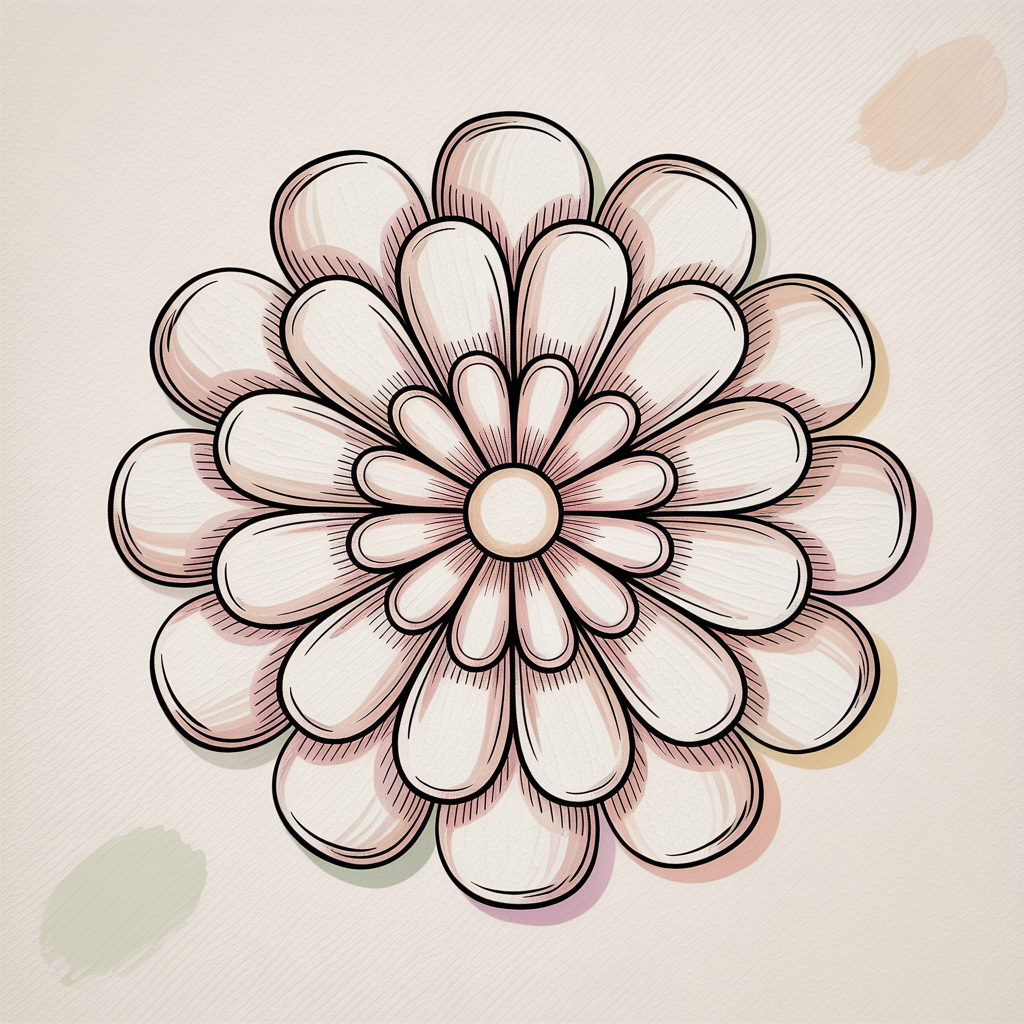
This pattern features rounded petals radiating from a central point. It brings a natural, organic feel to your sketch. You can vary petal sizes for added interest while keeping the design balanced. The soft curves invite a gentle drawing rhythm.
It works because the human eye finds comfort in floral forms. The repetition of petals creates a harmonious flow that calms the mind. It also feels joyful and familiar, perfect for mindful practice.
How to draw it:
- Draw a small circle in the center.
- Sketch six evenly spaced petals around it.
- Add a second layer of larger petals between the first ones.
- Refine lines and erase construction marks.
Geometric Ring Mandala
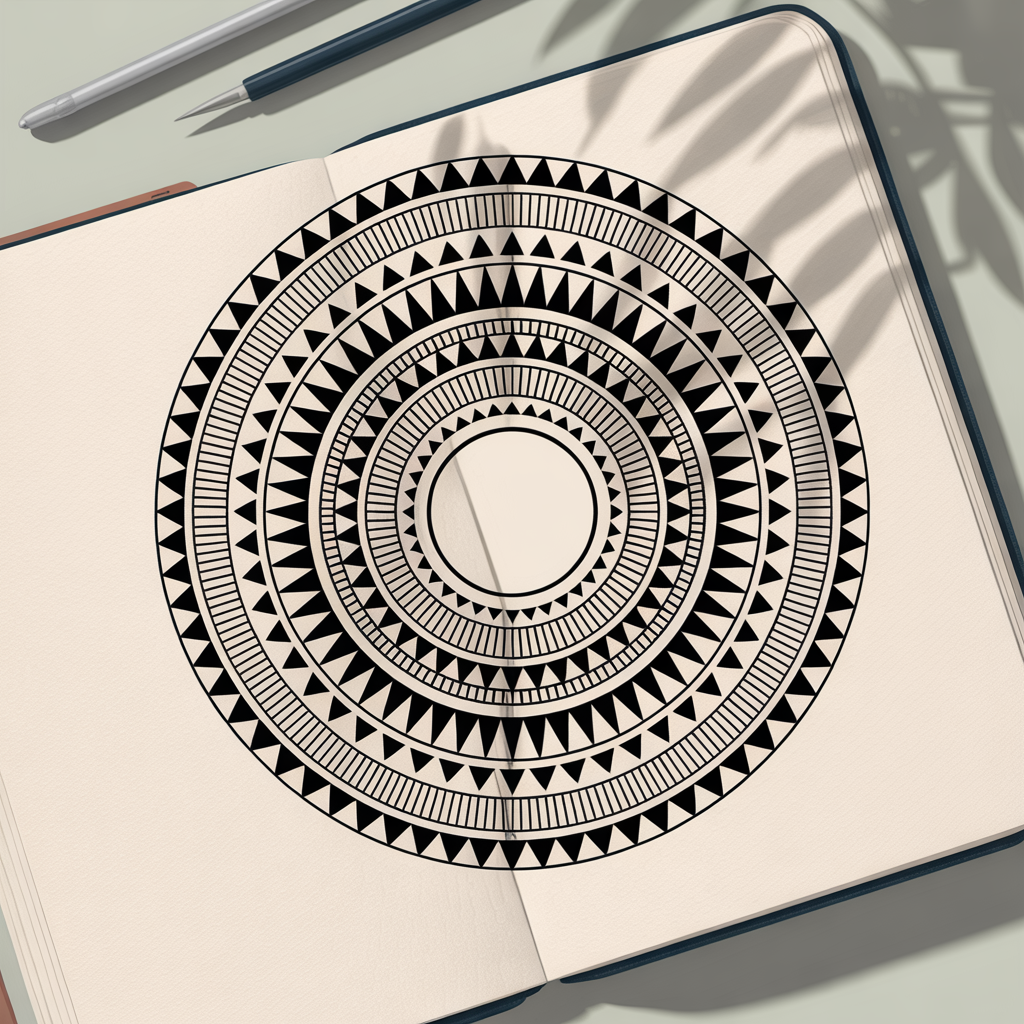
Start with a series of concentric circles and fill each ring with geometric shapes. Triangles, squares, or diamonds can repeat around the circle. Keeping the shapes uniform ensures a clean look. This style makes it easy to measure progress.
The clear structure of rings divides the space into manageable sections. Filling each ring with a repeating shape emphasizes symmetry. It appeals to those who enjoy precision and order in their sketches.
How to draw it:
- Use a compass or trace round objects to make concentric circles.
- Divide the circles into equal segments with light guidelines.
- Fill each ring with a repeating geometric shape.
- Darken the shapes and remove the guidelines.
Spiral Flow Mandala
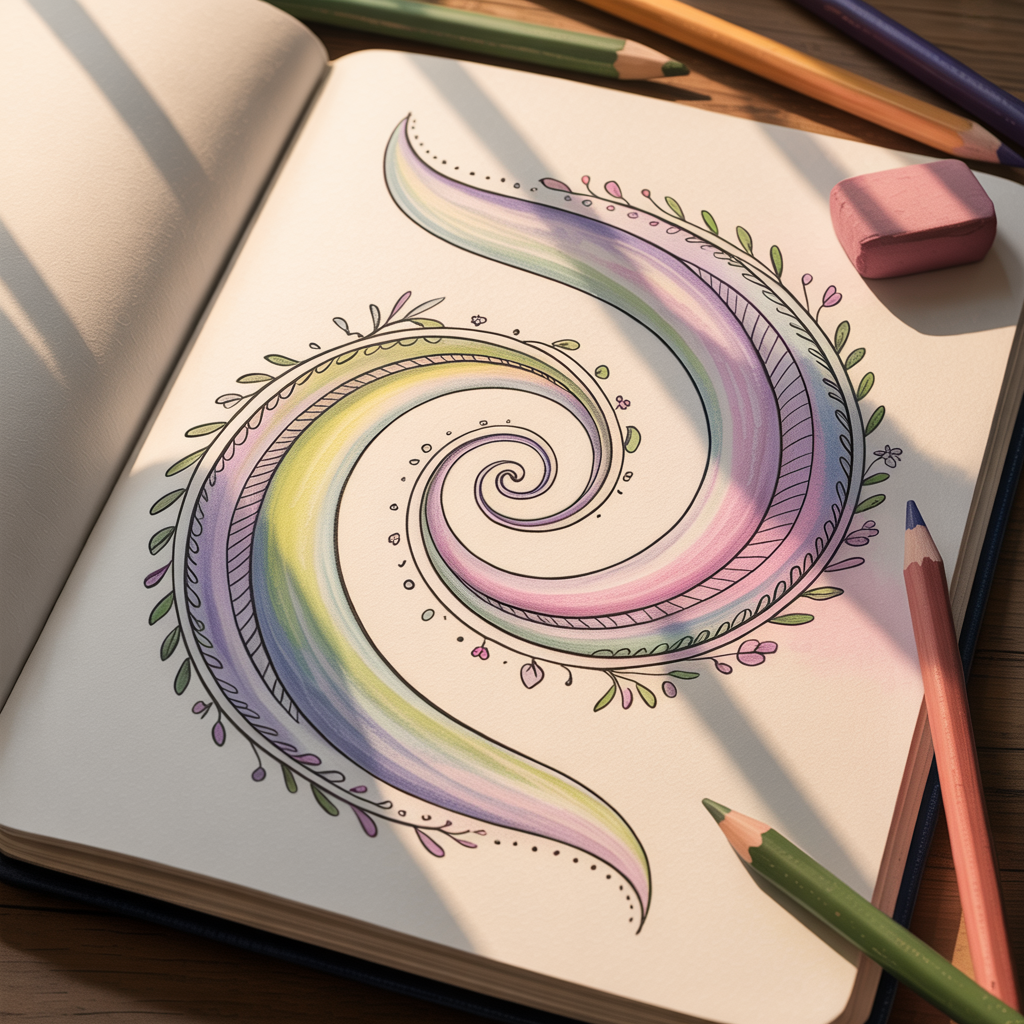
This mandala uses a spiraling pattern that leads the eye outward. It offers a sense of movement within a calm structure. You can control the tightness of the spiral to match your mood. Drawing slowly along the curve promotes a meditative pace.
The flowing spiral breaks the usual ringed form and adds a unique twist. It guides your hand steadily, reducing hesitation. The dynamic motion can feel very freeing compared to traditional layouts.
How to draw it:
- Lightly sketch a spiral starting at the center.
- Mark points at intervals along the spiral.
- Connect these points with curved or straight lines creating sections.
- Fill each section with a simple pattern or leave blank.
Leafy Edge Mandala
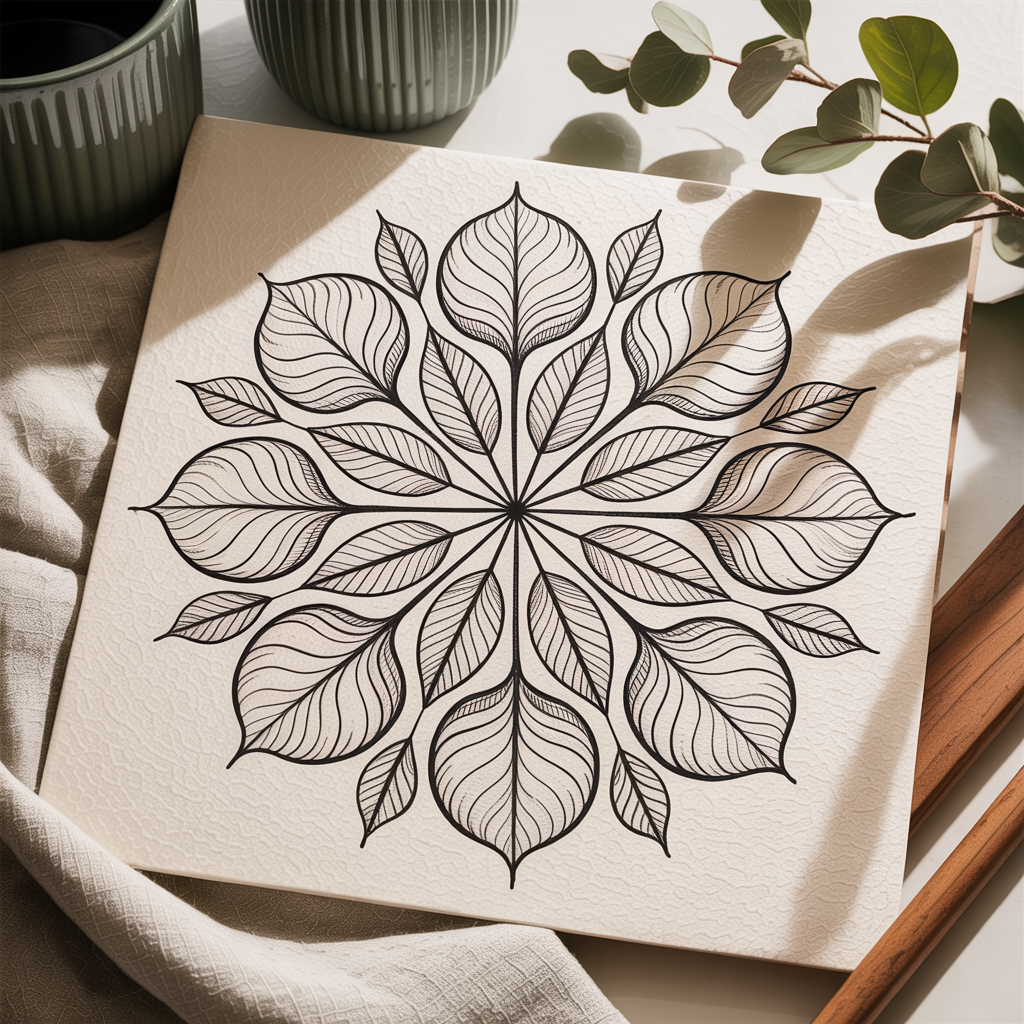
Place a circle at the center and add layers of leaves around it. Each leaf can vary slightly in shape but stay consistent in size. The organic curves imitate nature and bring softness to the design. This pattern pairs beautifully with botanical themes in your home.
The leaf shapes create a natural rhythm that feels soothing. By alternating leaf directions, you maintain symmetry. The gentle curves also make it easy to sketch without sharp angles.
How to draw it:
- Draw a center circle and add a ring for guidance.
- Sketch pointed ovals around the ring as leaves.
- Add veins in each leaf for detail.
- Repeat in a second layer if desired, increasing leaf size.
Wave Pattern Mandala
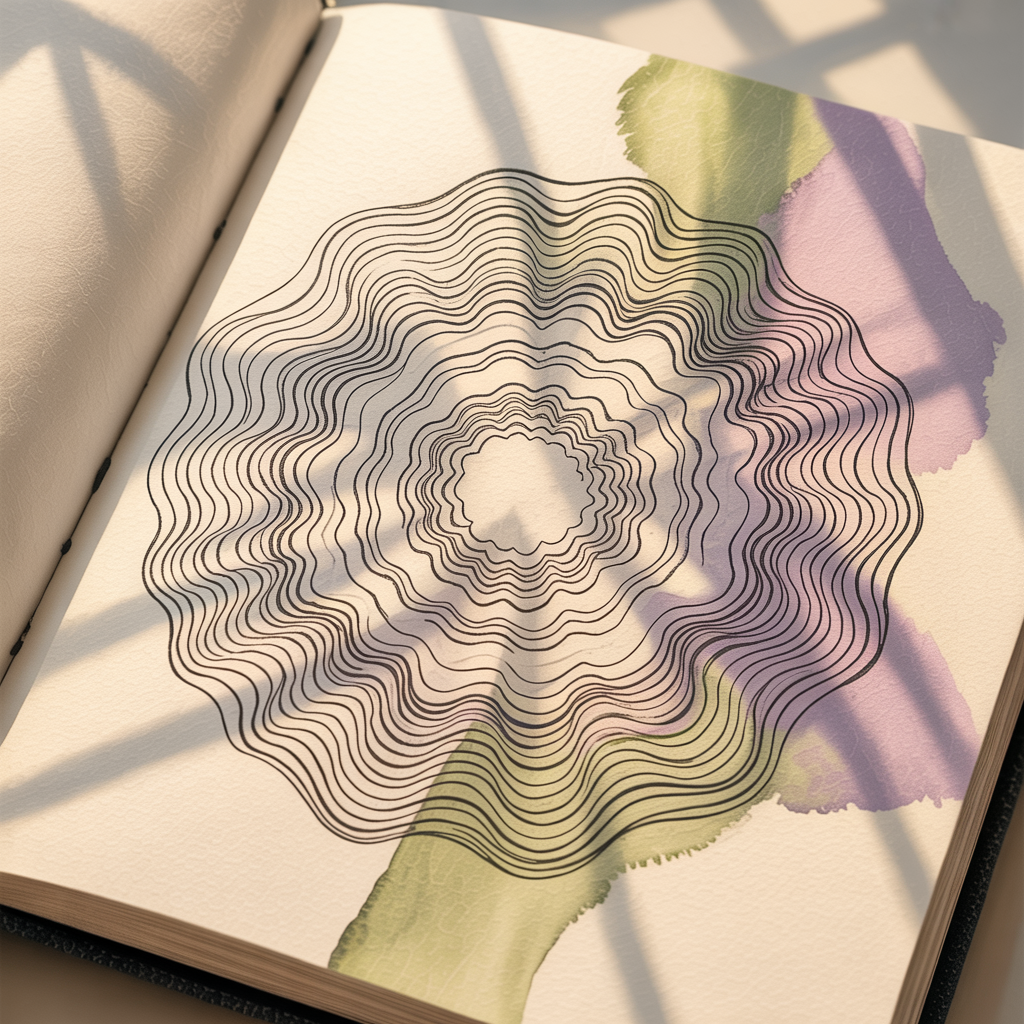
Use looping wave lines to form concentric rings. Each ring can have a slightly different wave amplitude. This creates a water-like effect that feels calming. You can vary thickness and spacing for subtle contrast.
The repeating wave form reminds us of flowing water, which is naturally soothing. The gentle rise and fall engages the hand in a rhythmic motion. Variations in pattern keep it simple yet visually engaging.
How to draw it:
- Draw multiple concentric circles as guides.
- Sketch a wavy line following the first circle.
- Repeat the wave along each circle, mirroring the pattern.
- Define the main lines and erase overlaps.
Sunburst Mandala
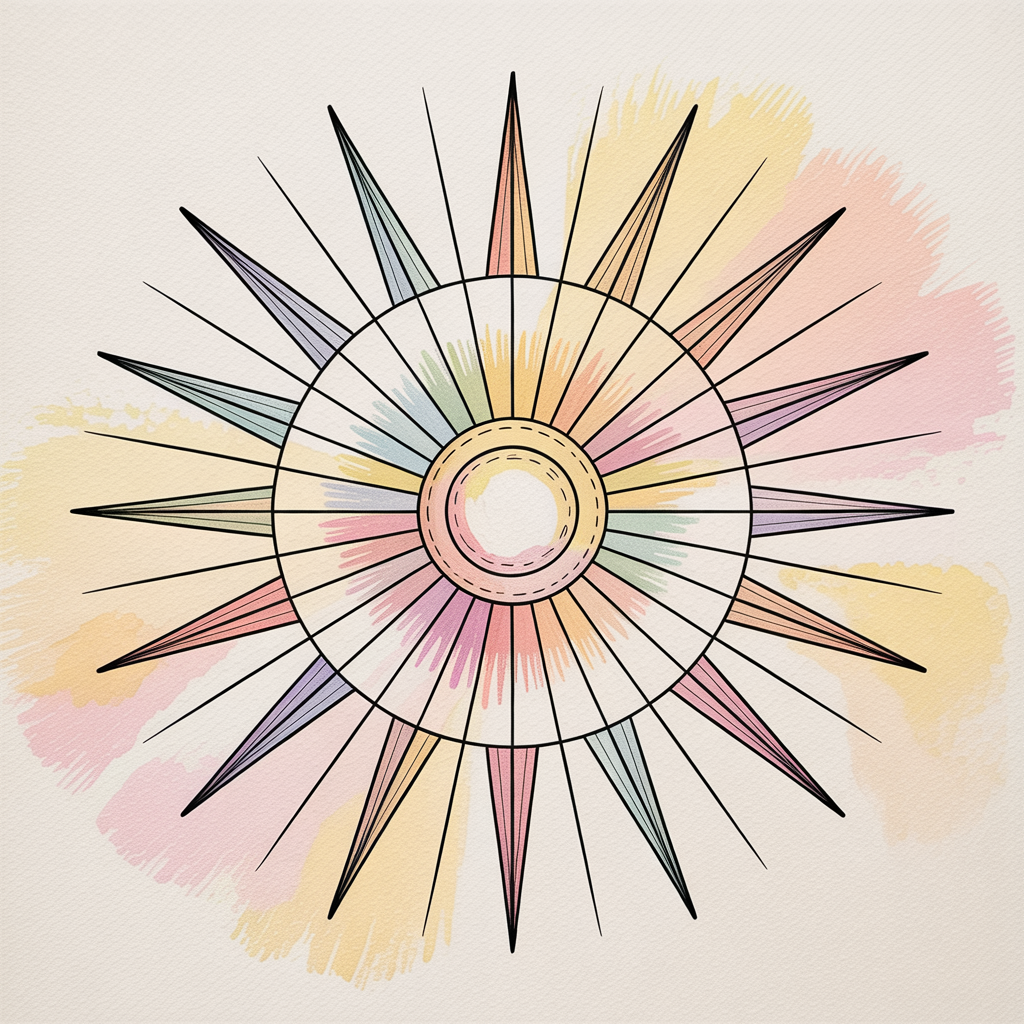
Create a bright, radiating pattern from a small central circle. Use straight lines or tapered shapes that extend outward like sun rays. You can add small shapes between the rays for depth. This design brings energy and focus to your sketch.
The clear directionality of the rays gives a feeling of expansion. Its radial symmetry is straightforward and satisfying to draw. It also pairs well with bright color fills or shading if you choose.
How to draw it:
- Draw a small circle at the center.
- Divide the area into equal segments with light lines.
- Sketch triangles or tapered lines from the center outward.
- Fill gaps with small circles or dots for extra detail.
Star Shape Mandala
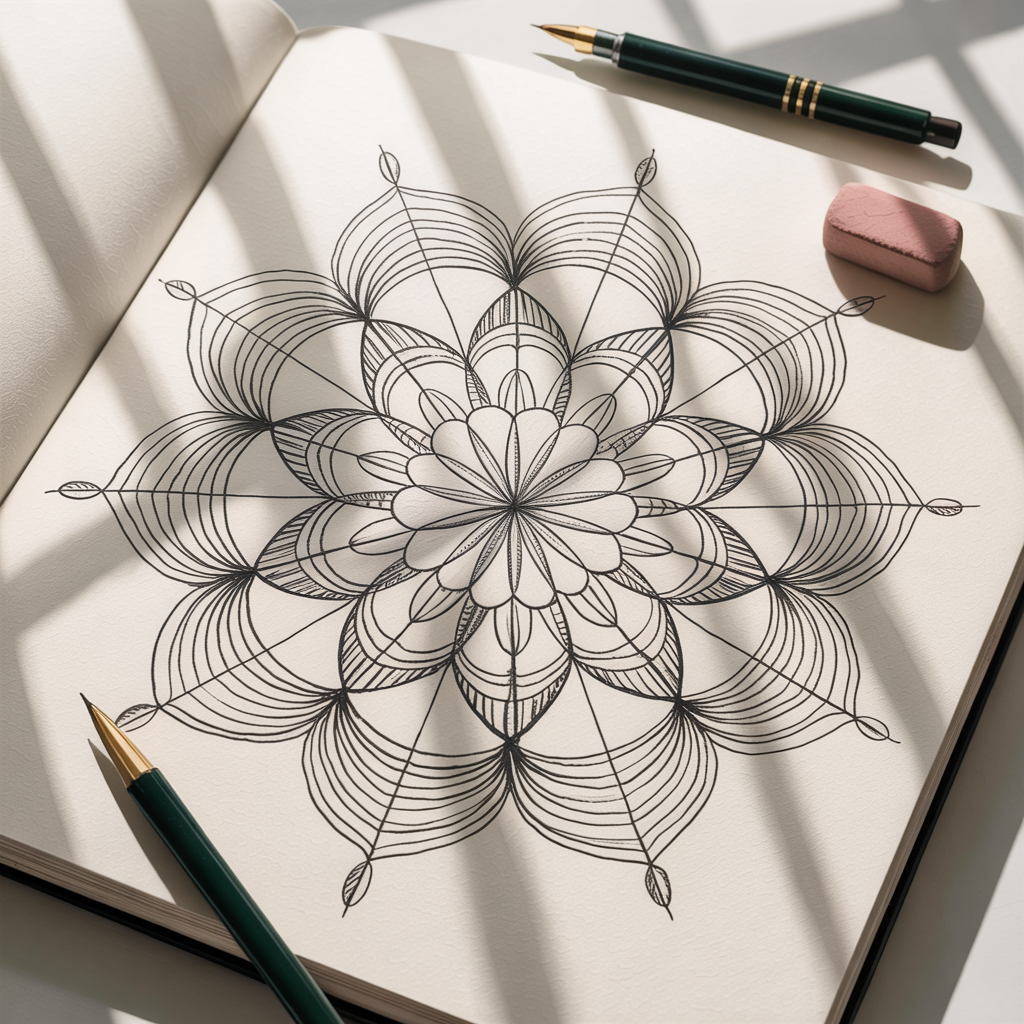
Focus on overlapping stars in increasing sizes. Start with a simple five or six-pointed star in the center. Each new layer adds a star rotated slightly from the previous one. This design feels both structured and dynamic.
The repetition of star shapes draws attention to the pattern’s contrasts. Rotating each star adds visual interest without complicating the process. It’s a good option for those who like clean lines.
How to draw it:
- Draw a small star at the center.
- Outline a larger star around it, rotating slightly.
- Continue adding stars until you reach the desired size.
- Erase inner lines and darken final outlines.
Dot Cluster Mandala
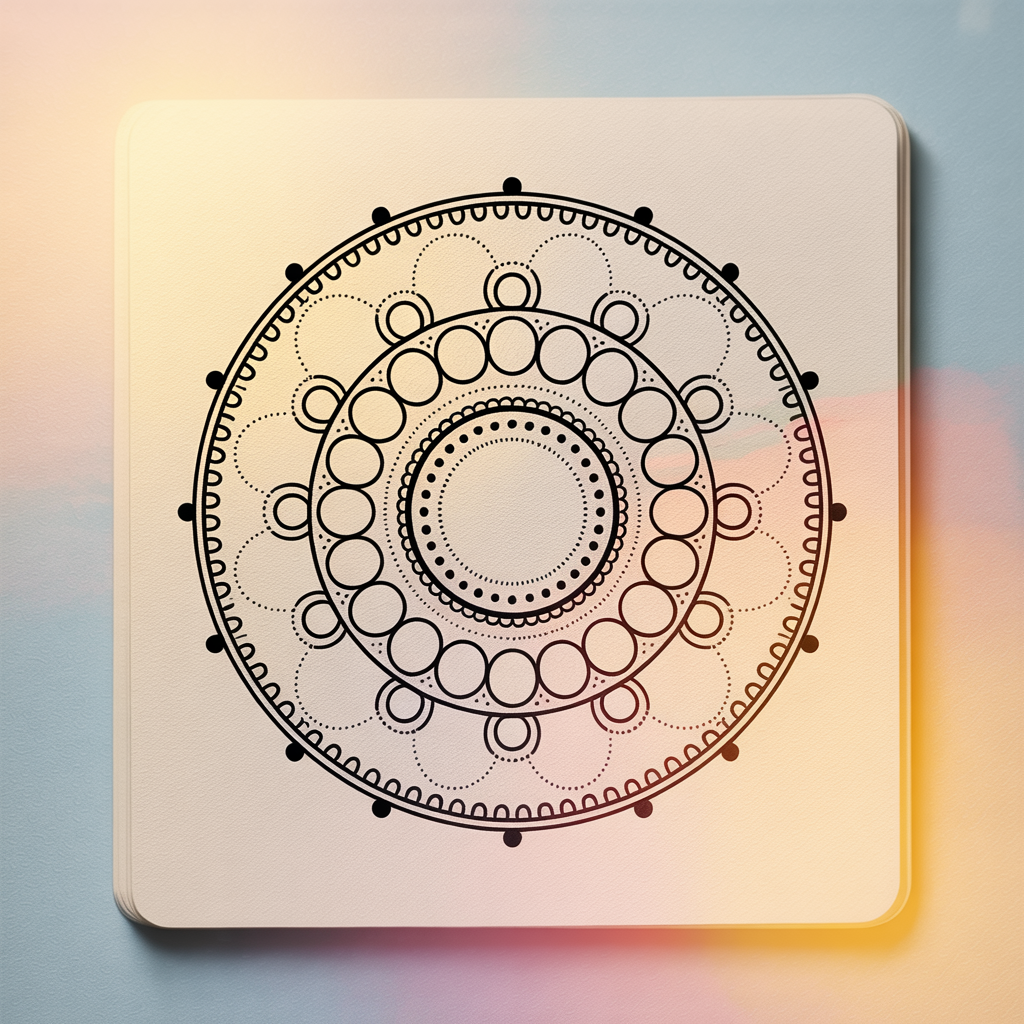
Build a mandala entirely from dots arranged in circular patterns. Different dot sizes create depth and texture. You can use a fine-tipped pen or marker for precision. This style suits a calm, deliberate drawing pace.
Dots offer a minimalistic approach that still produces rich detail. Placing each dot by hand encourages focus and mindfulness. The contrast between open space and dense clusters draws the eye gently.
How to draw it:
- Draw a central dot, then a small circle around it for spacing.
- Place dots along the circle at equal intervals.
- Continue outward, alternating dot sizes and spacing.
- Fill some sections more densely for contrast.
Petal Spiral Mandala
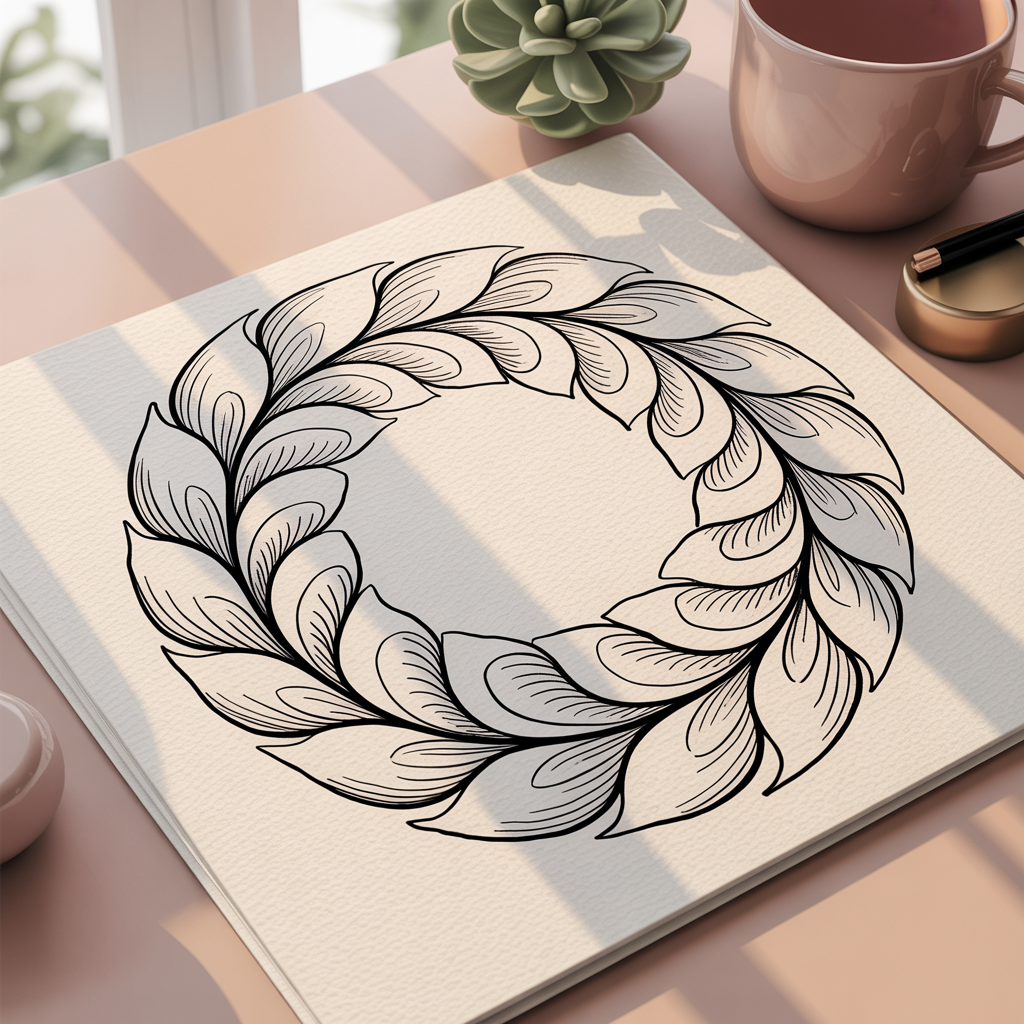
Combine petal shapes and spiral flow by drawing petals along a spiral path. This merges organic and dynamic elements. You can vary petal width or length as you move outward. The result is a lively yet balanced sketch.
The blend of two patterns feels fresh and engaging. The spiral guides your movement while petals soften the lines. Each turn adds a fresh perspective to the design.
How to draw it:
- Sketch a loose spiral from the center outward.
- Draw petal shapes along both sides of the spiral line.
- Space petals evenly but allow slight variations.
- Continue until you fill the desired area, then refine outlines.
Abstract Line Mandala
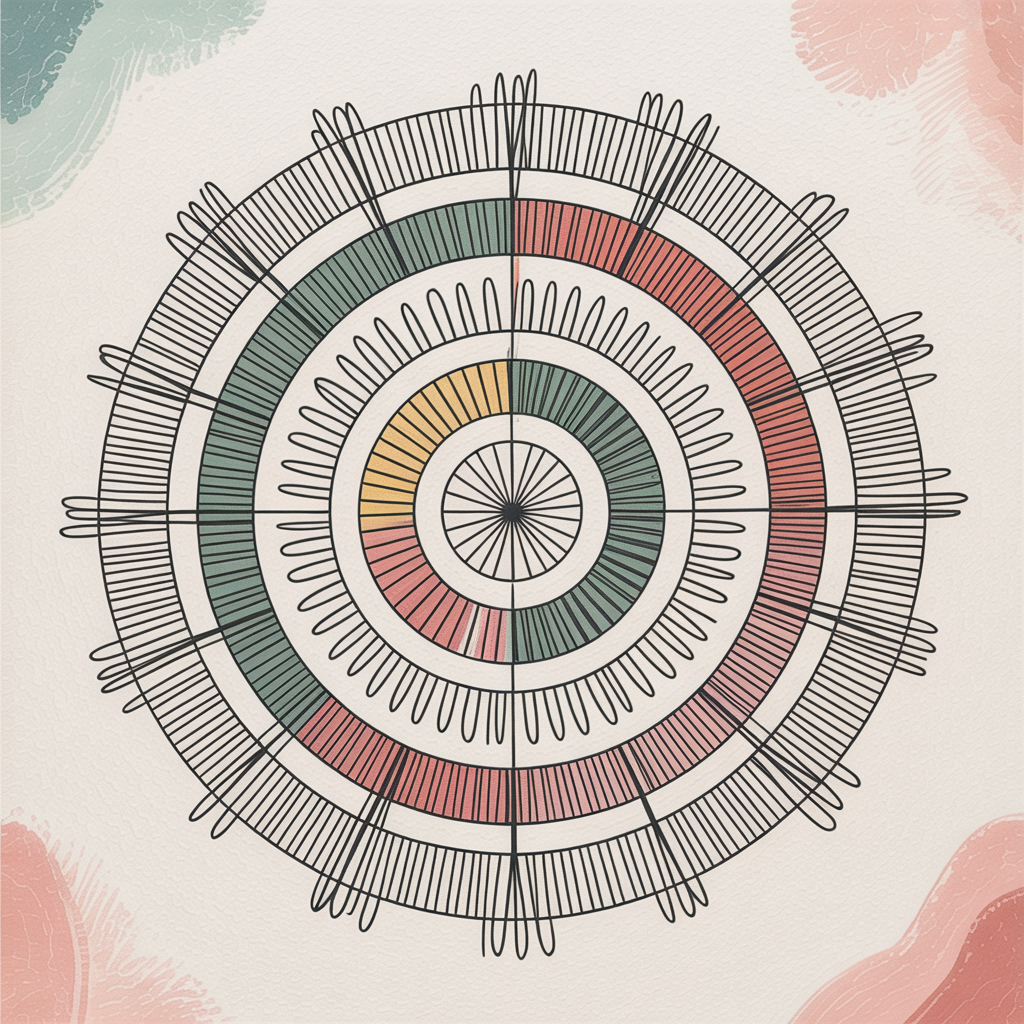
This style uses freeform lines within concentric boundaries. Draw each ring, then fill with different line patterns like zigzags, loops, or crosses. This gives a personalized feel to each section. The variety keeps you attentive to each area.
Abstract lines allow for maximum creativity without strict rules. You can respond to each section intuitively, adjusting patterns as you go. It’s perfect for a more spontaneous sketching session.
How to draw it:
- Draw several concentric circles or rings.
- Inside each ring, choose a line pattern to fill the space.
- Vary line direction, thickness, or spacing per ring.
- Go back and darken interesting shapes or intersections.
How to use
Choose an idea that matches your current mood or decor theme. Print it or sketch directly in your sketchbook. Use the finished mandalas as wall art, card designs, or garden path stone patterns. Rotate through different ideas to keep your practice fresh.
Common mistakes
One mistake is drawing too many details too soon, which can feel overwhelming. Avoid this by working in layers—start simple and add detail gradually. Another issue is losing symmetry when lines are freehanded; light construction lines help maintain balance. Finally, erasing too aggressively can damage the paper; use a soft eraser gently.
FAQ
Q: Do I need special tools for mandala sketching?
A: No. A pencil, eraser, and fine-tipped pen are enough to create beautiful mandalas.
Q: How long does it take to finish a mandala?
A: That depends on the complexity and your drawing pace. Simple designs can take 10 to 15 minutes, while more detailed ones may require an hour.
Q: Can I add color to these sketches?
A: Yes. Colored pencils or markers can bring additional depth, but mandalas also look striking in black and white.
Moments of Quiet Creativity
Keep these mandala ideas close for times when you need a mindful break. Return to them whenever you seek calm or a decor accent. Let the simple act of sketching bring peace to your day. Feel invited to explore these forms again soon.