10 easy summer watercolor ideas
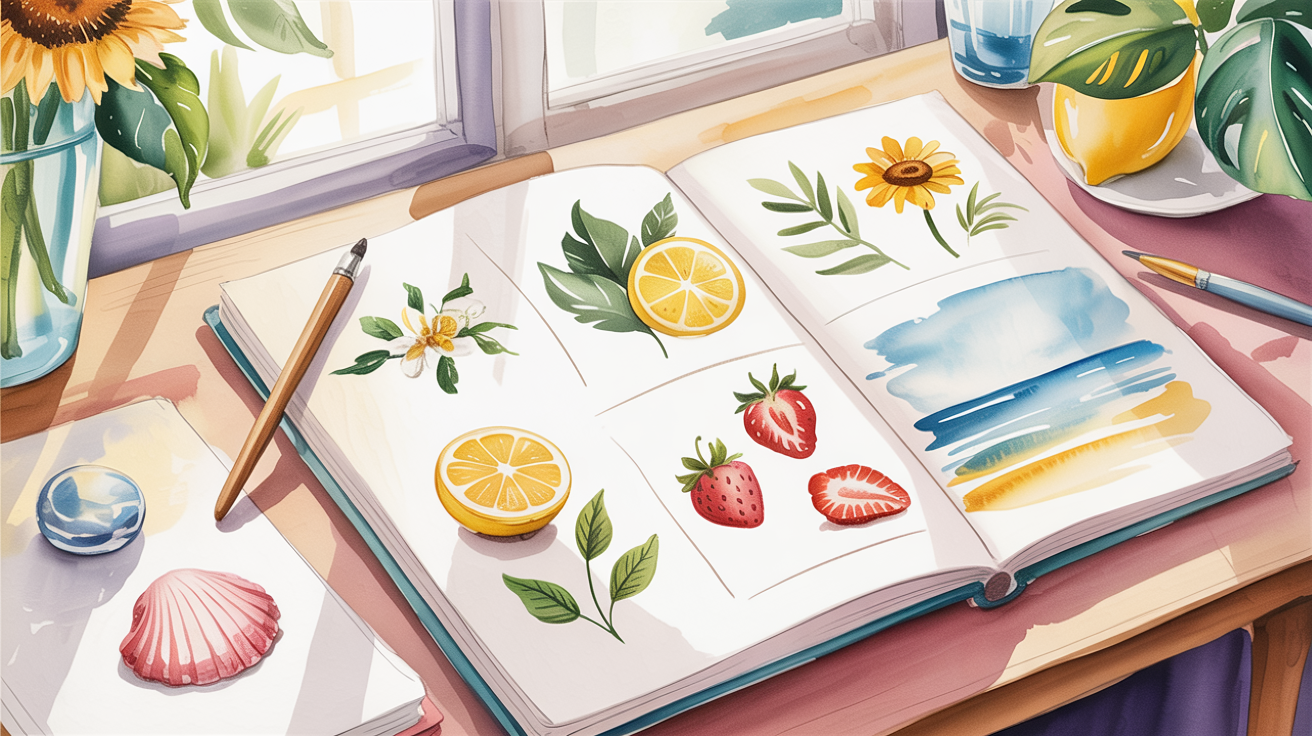
Warm light filters through open windows as you settle by your sketchbook, feeling the soft hum of summer days. You may find yourself wanting to capture that gentle warmth on paper but feeling unsure where to begin. It can be hard to turn a fleeting mood into a simple painting. This collection of easy watercolor ideas invites you to embrace small, mindful moments without pressure. Each idea is meant to bring a bit of calm and beauty to your home or garden space.
How to start drawing
Many people hesitate because they think watercolor must be perfect. The truth is that simple shapes and loose brushstrokes can feel more natural than you expect. Start with basic forms and let the paint flow without overthinking. A minimal approach helps you relax and discover your own style.
- Circles and ovals
- Single leaves or petals
- Short strokes of varying color
- Soft washes of light tones
Simple Supplies for This Style
All you need is a small watercolor set, a round brush size 6 or 8, and medium-weight paper. A cup of clean water and a paper towel will help you blend and lift colors gently.
Simple Sunflowers
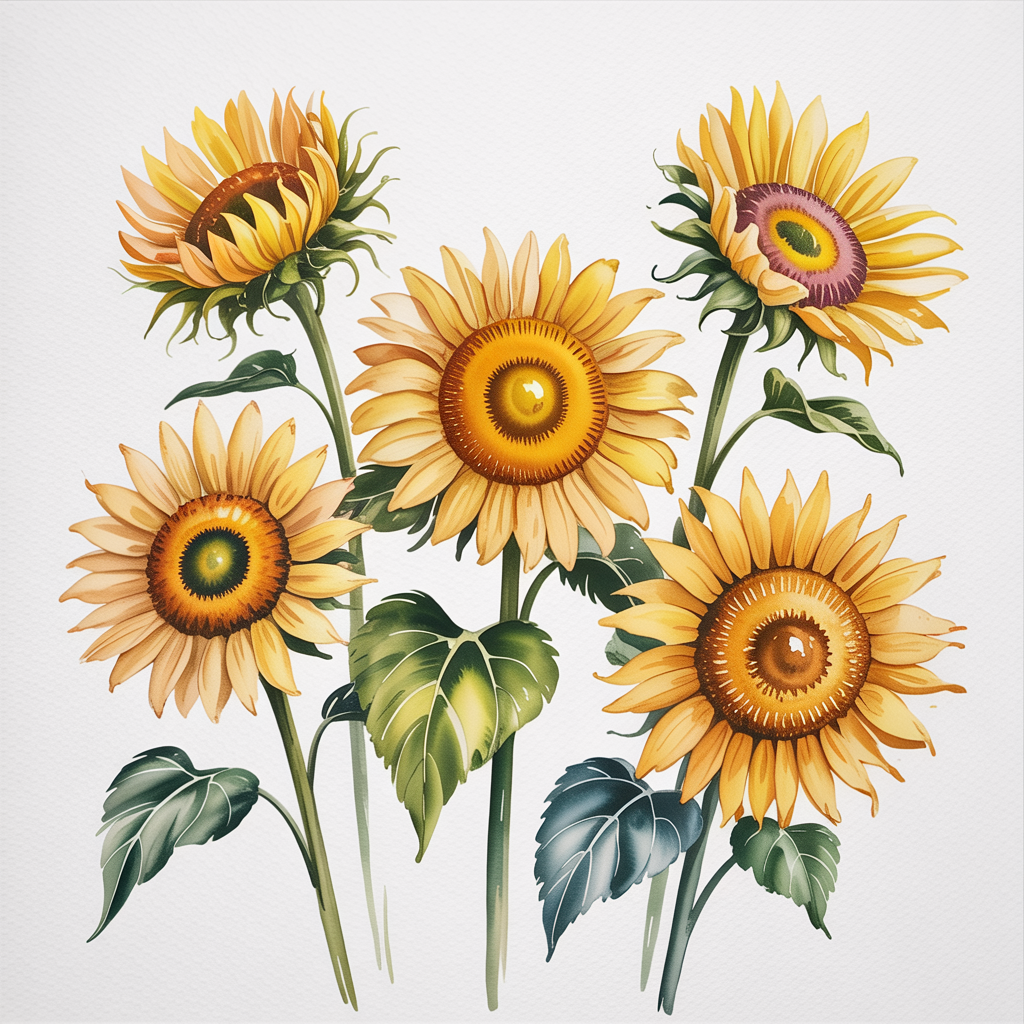
Sunflowers bring a bright, friendly touch to any sketchbook page. Their round centers and radiating petals are easy to capture with loose strokes. You can vary the shades of yellow and brown to create depth with just a few washes. This makes them a perfect subject for beginners exploring bold summer colors.
The contrast between the dark center and the light petals draws the eye and creates a clear focal point. The simple structure of the flower allows you to focus on brush control and blending. It’s a cheerful motif that brightens a wall or a greeting card.
How to draw it: sketch a circle for the center; paint a loose brown wash inside; let it dry slightly; add petals by dragging yellow paint outward; vary the pressure to change petal width; layer a second wash for softness.
Beach Pebbles
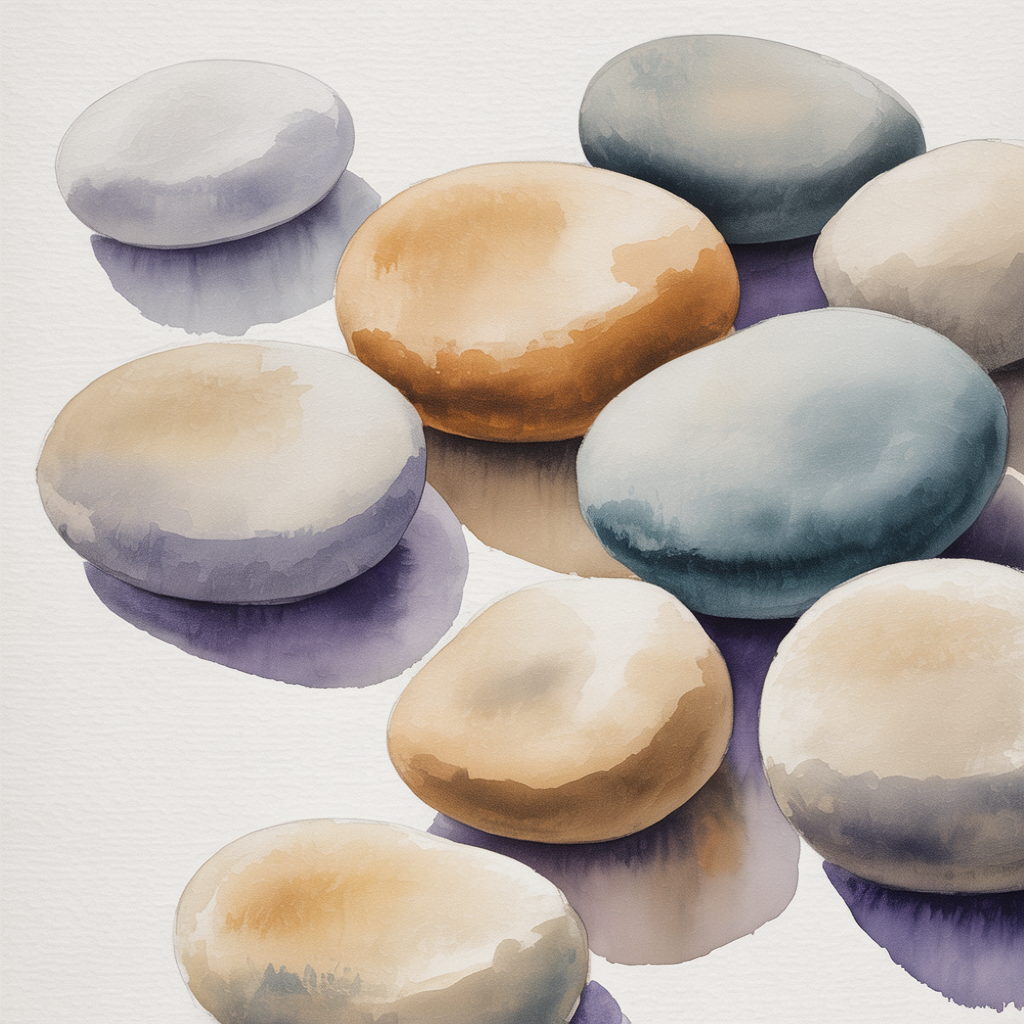
Collecting small stones on summer walks can inspire a gentle watercolor study. Each pebble has its own shape and subtle color variations. By painting a few at a time, you train your eye to see soft shadows and highlights. It’s a calming exercise that connects you with nature.
The irregular shapes and muted tones of pebbles make them forgiving subjects. You can experiment with wet-on-wet washes to mimic smooth surfaces. This idea works well when you want a quiet project that requires minimal planning.
How to draw it: outline pebble shapes lightly; wet the shapes with clear water; drop in shades of grey, tan, blue or green; let colors blend; define edges with a darker line after drying; add light washes for shadows.
Lemon Slices
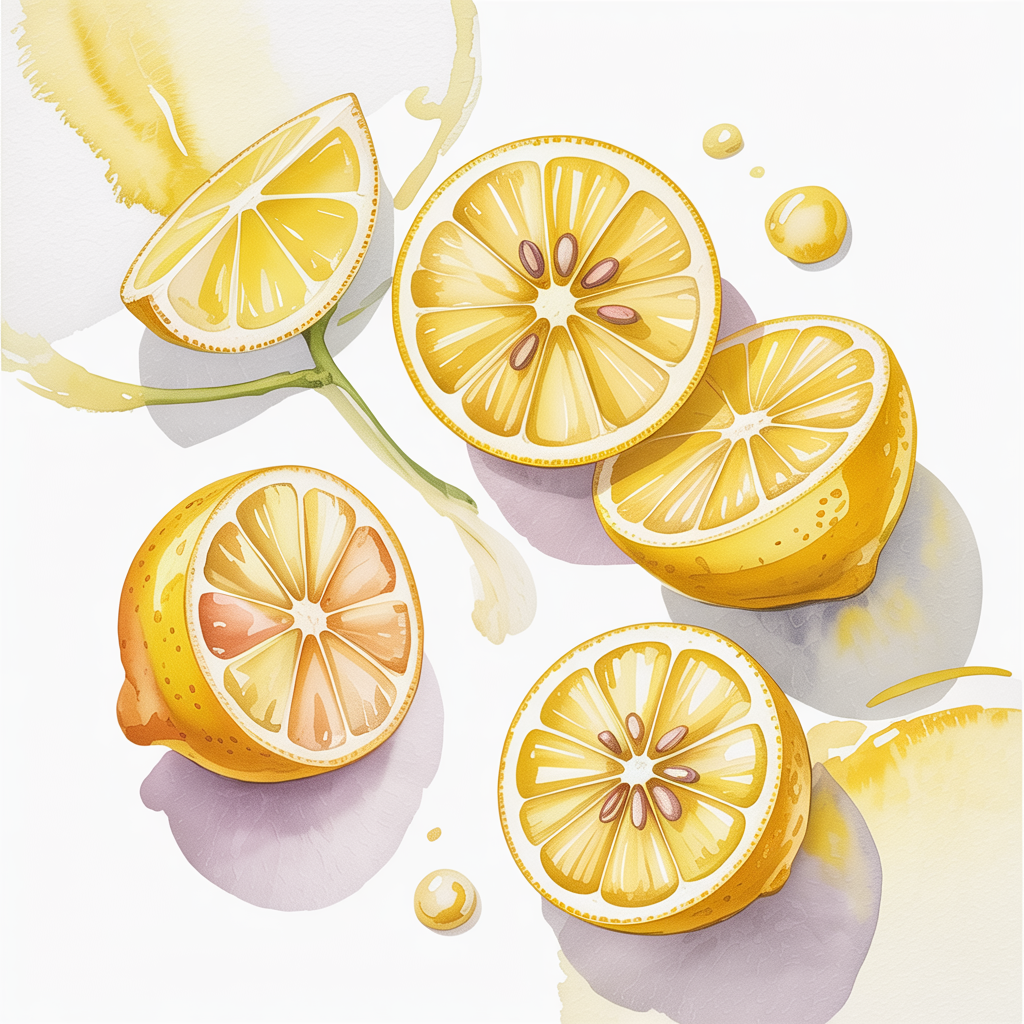
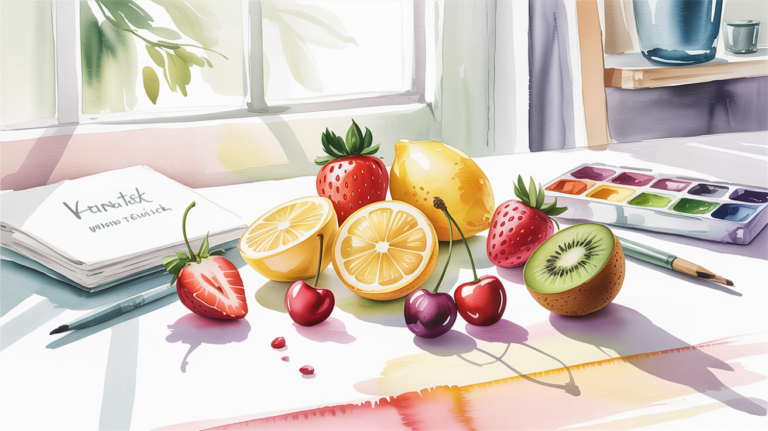
Lemons feel like summer in a slice, with bright yellow and translucent rind. Painting a half or a full slice helps you practice watercolor transparency. You’ll enjoy the fresh look of soft yellows against clean white paper. It’s a simple study in light and color.
This idea works because the segments naturally guide your brush. The repeating pattern of wedges is easy to map out and fill with gentle washes. It also looks delightful framed in your kitchen or garden corner.
How to draw it: draw a circle and divide into wedges; apply a light lemon-yellow wash; let it settle; add a second layer near edges; paint rind with a slightly darker tone; connect segments with thin lines.
Tropical Leaves
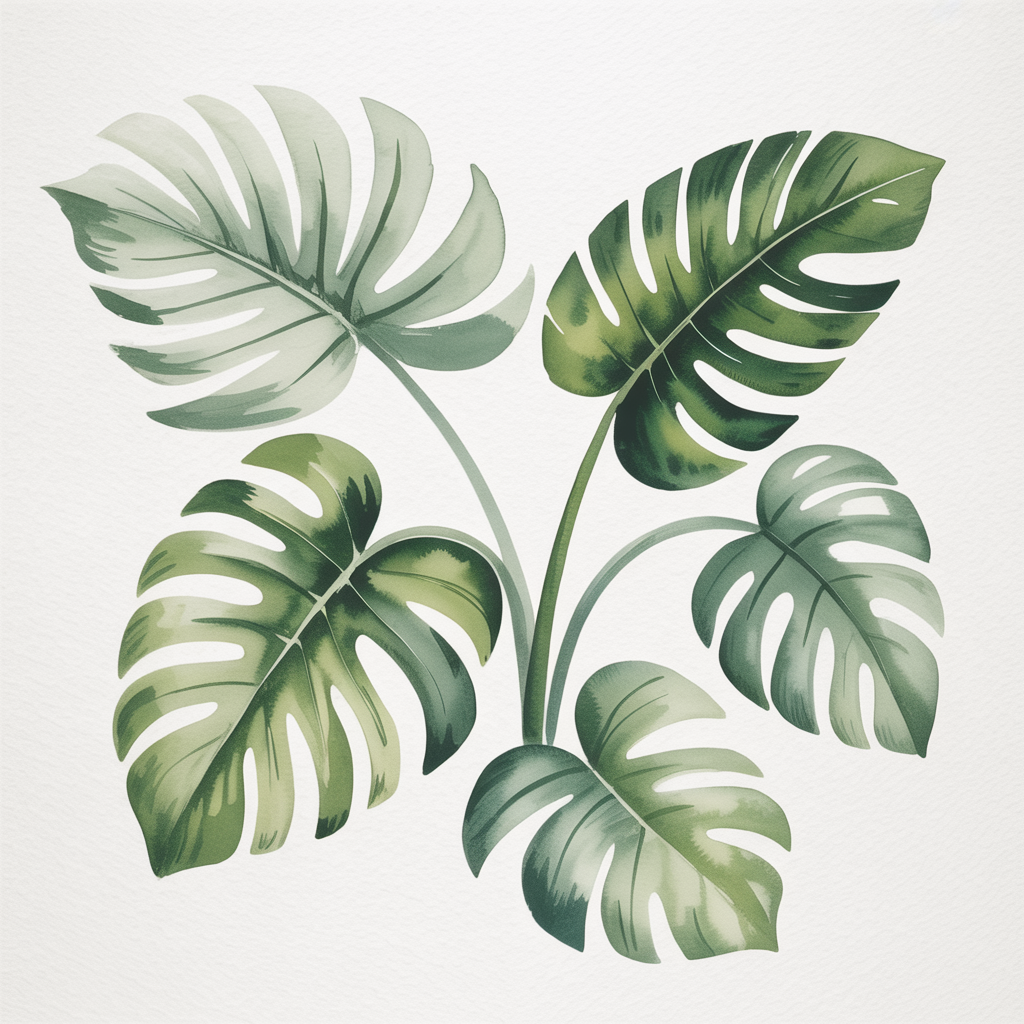
Tropical leaves with bold shapes bring an exotic touch to your artwork. Choose a single monstera or palm leaf for a simple study. The deep cuts and curves guide your brush from one point to another. It feels like a mini jungle retreat on your table.
The strong silhouette of these leaves works well with flat washes before adding veins. Their dramatic form makes a statement even when painted in one or two colors. You can place them on a shelf or hang as a soft wall accent.
How to draw it: sketch main outline of the leaf; wet the area lightly; fill with a green wash; allow slight pooling for texture; when dry, add thin lines for veins; lift color in spots for highlights.
Soft Cloudy Sky

A simple cloudy sky can transport you to a peaceful summer afternoon. Painting a wash of blue with white cloud shapes helps you practice control of water and pigment. It’s a gentle way to start if you want a broad, open composition. Clouds offer endless variety for your brush to explore.
This idea works because it teaches you to balance wetness and color. You learn to let paint spread naturally and to soften edges. It’s a soothing exercise that feels like breathing in fresh air.
How to draw it: wet the top half of your paper; apply a light blue wash; use a clean brush to lift areas for clouds; let edges blur; add a slightly darker band near the top; fade downward.
Strawberry Trio
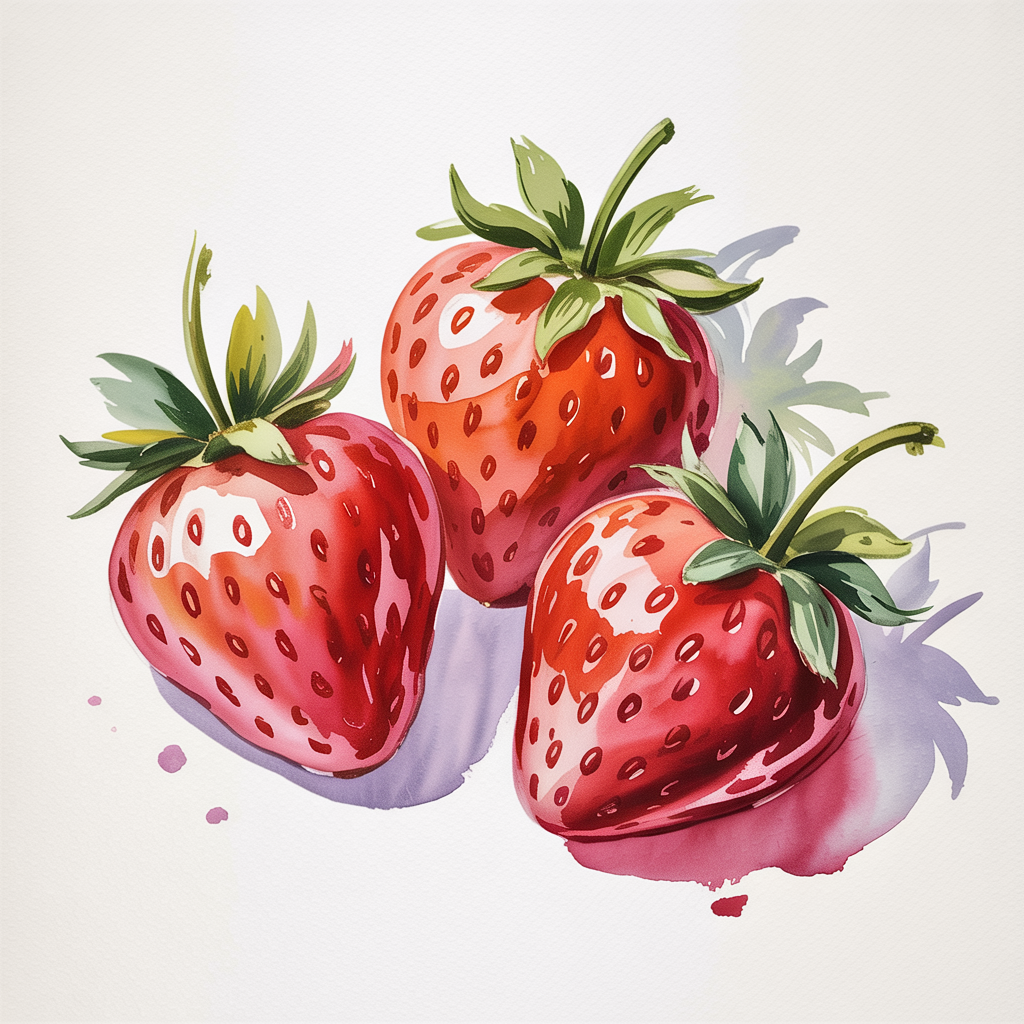
Paint three strawberries in a cluster to practice small, detailed forms. Their bright red hue pops against green leaves and white paper. The tiny seeds invite you to focus on precision, but the overall shape stays simple. It’s a friendly reminder of summer treats.
The combination of red, green and white provides nice contrast and balance. You can vary the intensity of red to create depth. This small motif fits nicely on a bookmark or gift tag.
How to draw it: outline three strawberry shapes; lay down a light red wash; drop in darker red near edges; let dry; add small yellow or white dots for seeds; paint leaves with a quick green wash.
Seashell Collection
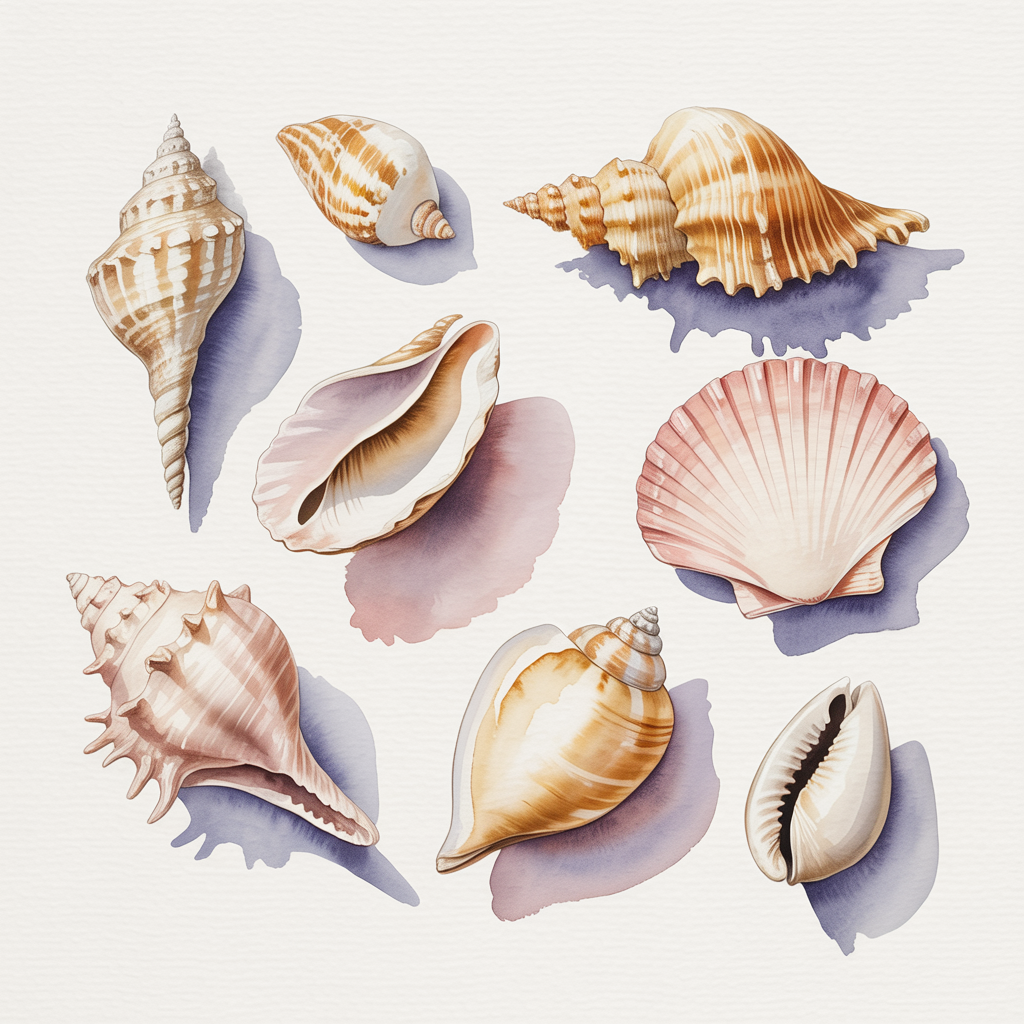
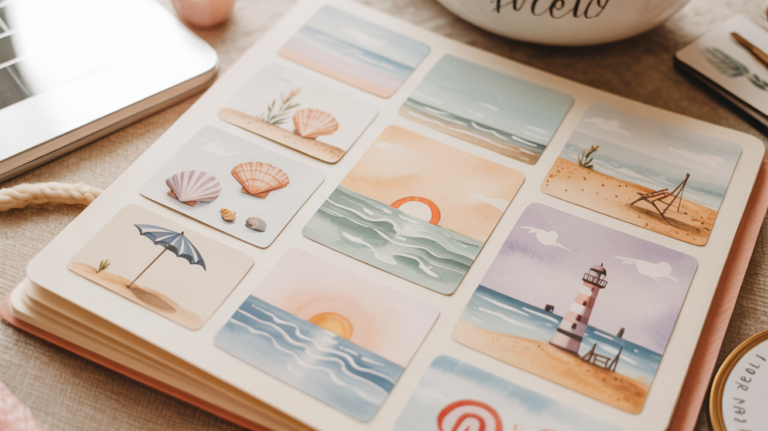
Seashells offer a variety of shapes, from spirals to scallops. Painting a small group helps you explore curves and ridges. You can choose three or four shells to keep it manageable. Each shell carries memories of sandy beaches and salty air.
The subtle color shifts and textures of shells make them ideal for wet-on-dry techniques. You practice layering washes to build form without losing softness. It’s a gentle way to study light and contrast.
How to draw it: sketch shell outlines lightly; fill with a pale beige wash; after drying, add deeper washes in shadow areas; use a fine brush for small ridges; lift paint for highlight lines.
Fresh Mint Sprigs
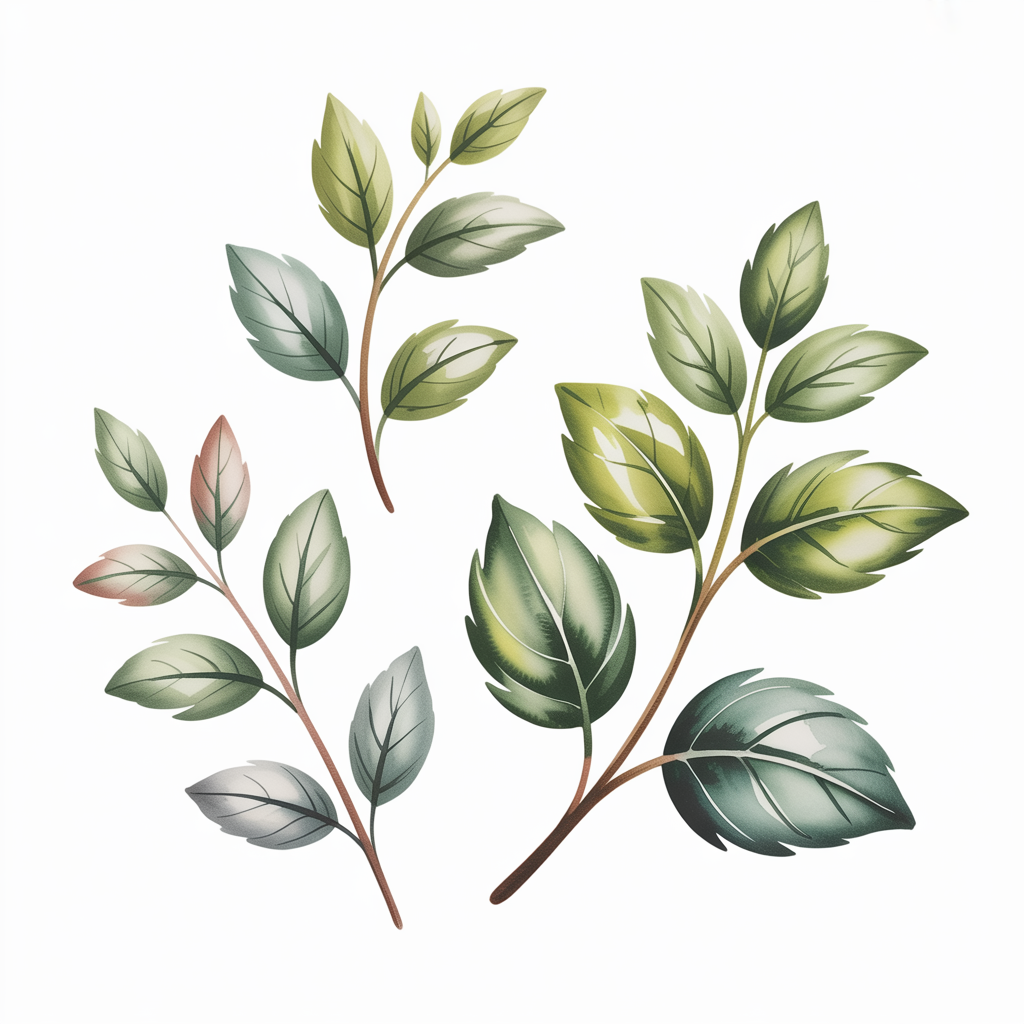
Mint leaves have a bright, fresh look that is easy to capture. Painting a few sprigs in loose clusters highlights your brush’s light touch. The pointed leaves and soft stems guide your hand. It’s both invigorating and meditative.
The green tones of mint allow you to mix subtle variations and practice layering. The simple form and repeating shapes create a natural rhythm. This motif feels at home in a kitchen or garden journal.
How to draw it: draw a central stem; add paired leaves on each side; wet each leaf area; drop in a mix of green shades; let colors blend; when dry, outline veins with a darker green.
Blue Hydrangea
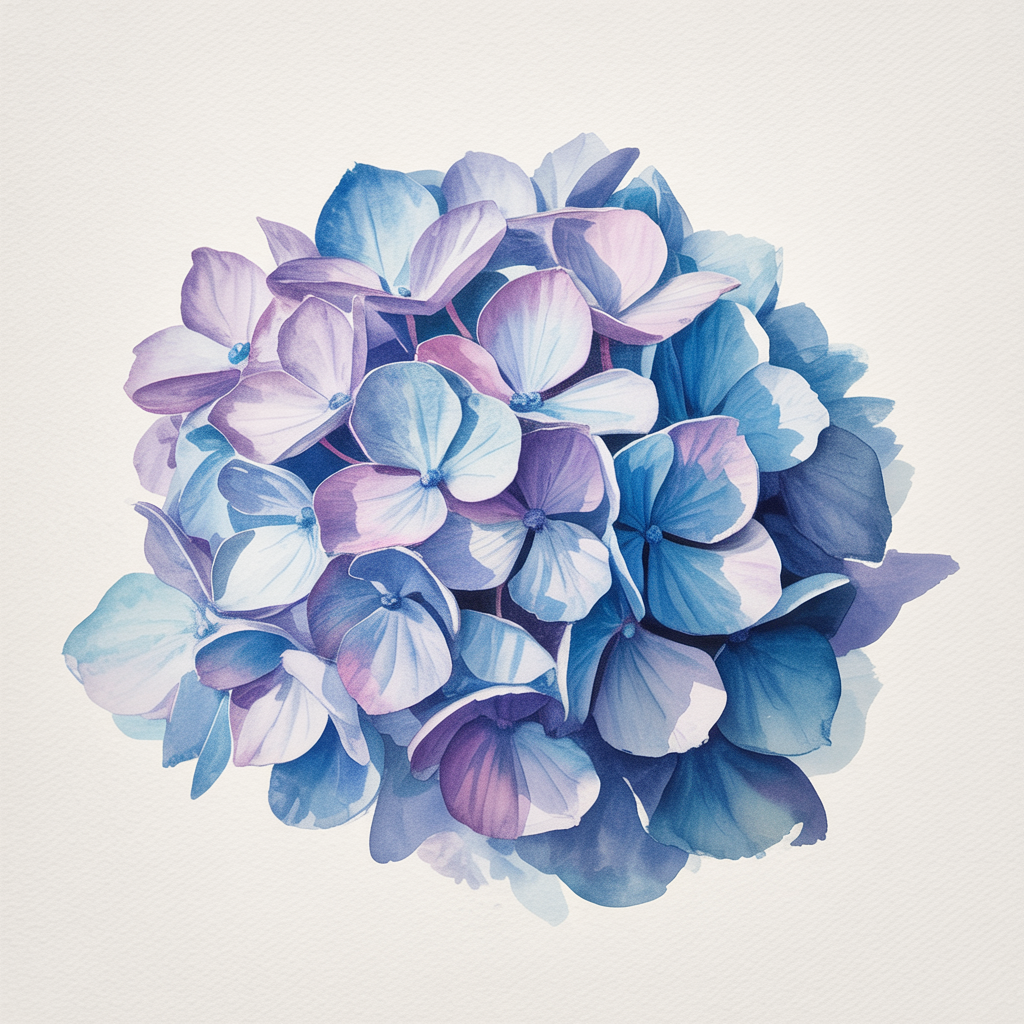
Hydrangeas bloom in clusters of small flowers that form a larger shape. You can suggest individual blossoms without detailing each one. Painting just a few petals gives the impression of the full bloom. This idea feels delicate and soothing.
The soft blue and lilac tones blend beautifully on wet paper. You practice color mixing and loose grouping of petals. It’s a lovely subject for a framed print or card.
How to draw it: sketch an irregular round shape; apply pale blue wash over the area; while wet, drop in hints of lilac; let edges blur; when dry, add small petal shapes with a darker shade.
Abstract Sunset

An abstract watercolor sunset captures the essence of dusk without strict realism. Use gradients of warm colors blending into cooler tones. This exercise lets you play with wet-on-wet techniques. It’s a simple way to evoke summer evenings.
The gradual shift from orange to purple teaches you control over color transitions. You can adjust the saturation to suit your mood. This idea works as a calming piece on its own or as a background for other sketches.
How to draw it: wet the paper horizontally; apply bands of orange, pink and purple washes; let colors bleed into each other; soften edges with a clean damp brush; adjust intensity with a second wash if needed.
How to use
These watercolor ideas can decorate cards, bookmarks, or framed prints for your home. You can gather them in a seasonal journal or turn them into simple wall art. Sharing them as small gifts brings a thoughtful touch to friends and family. The process itself encourages calm, present-moment awareness.
Common mistakes
- Overworking details before the first layer dries, which can lead to muddy colors.
- Using too much water, causing colors to run uncontrollably across paper.
- Neglecting to let layers dry, resulting in unwanted mixing of hues.
- Skipping basic sketch lines, making shapes harder to define later.
FAQ
Do I need expensive materials to start? No, you can begin with a basic watercolor set and affordable paper. Quality improves with practice, not price.
How long should I wait between layers? Allow at least a few minutes for the first wash to feel just tacky before adding more color. If it still looks shiny, give it more time.
Can I correct mistakes in watercolor? You can lift some pigment with a damp brush or paper towel. For deeper errors, incorporate them into new layers or use light gouache to cover small spots.
A gentle invitation
Take these ideas as a quiet guide for your next summer painting session. Save the ones that resonate and return when you need a moment of calm creativity. Let your brush and the colors lead you, one mindful stroke at a time. We hope you enjoy the soothing process and the gentle beauty it brings.