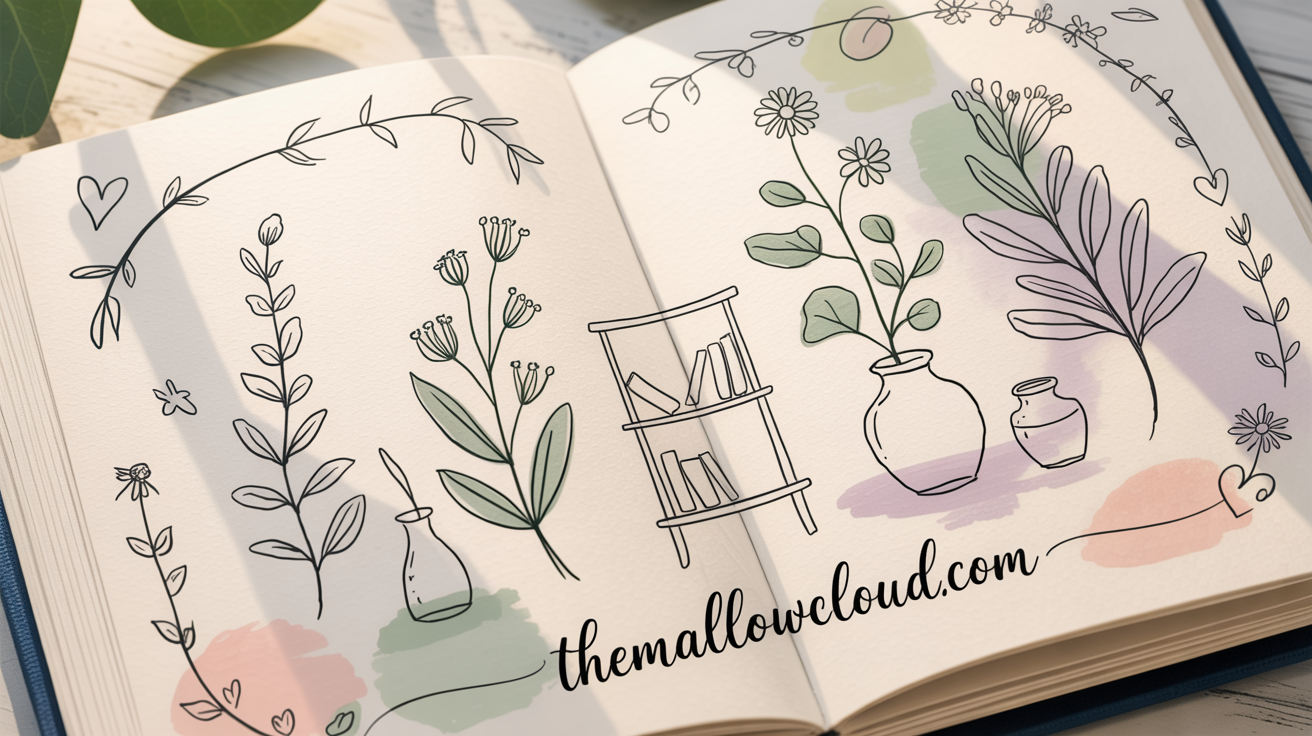
10 aesthetic sketch ideas
In soft morning light and quiet stillness, there is often a gentle desire to capture your home or garden in small, meaningful moments. With a pen in hand and only a little time, drawing can become a personal pause in your day. Aesthetic sketches connect mindful observation with creativity and invite you to see the ordinary as art. Without pressure, delicate lines begin to form, capturing moods and adding beauty to your space.
How to start drawing
Many people feel blocked because they think their drawings need to be perfect. In reality, it is more about the process than the result. A minimal approach helps you begin easily and celebrate small progress.
- Quick studies of simple shapes
- Small shadow sections
- Fine line exercises
Simple Supplies for This Style
For clean and calm sketches, you only need a few tools:
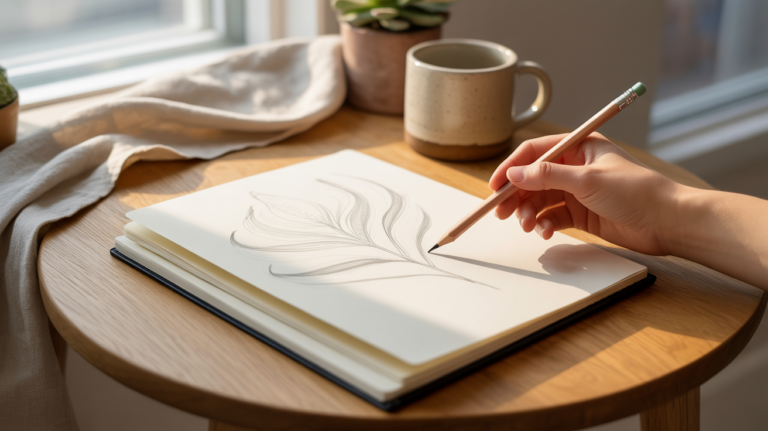
- Soft pencil (HB to 2B)
- Eraser
- Sketchbook or smooth drawing paper
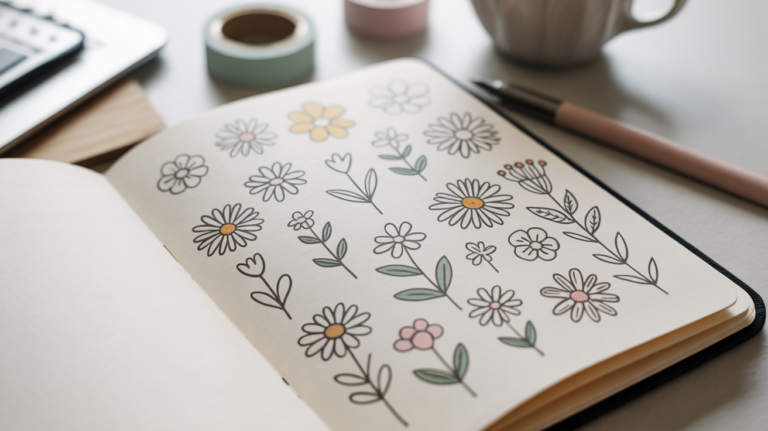
1. Blooming Wildflower Bouquet
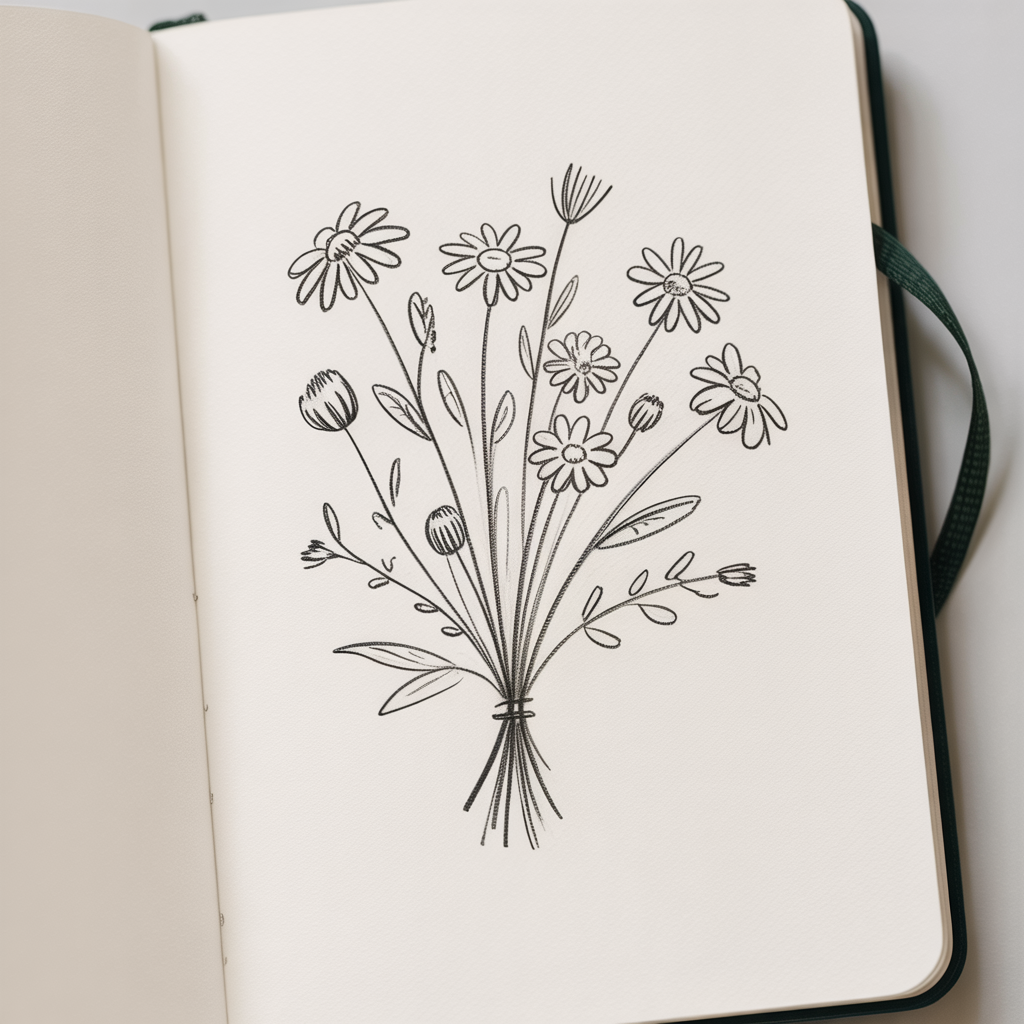
A simple bouquet of wildflowers brings the lightness of summer into your sketchbook. Choose a few characteristic flowers and leaves and arrange them loosely. A light outline is enough to capture the feeling. This quick study takes only a few minutes and still feels alive.
This works well because flower structures can easily be varied, making each drawing unique. Small imperfections enhance the handmade charm. The combination of thin stems and bold blossoms creates a balanced composition.
How to draw it:
- Sketch light circles for flower heads
- Connect stems with curved lines
- Add small leaves with soft V-shapes
- Accentuate petals with short strokes
2. Light Reflections by the Window
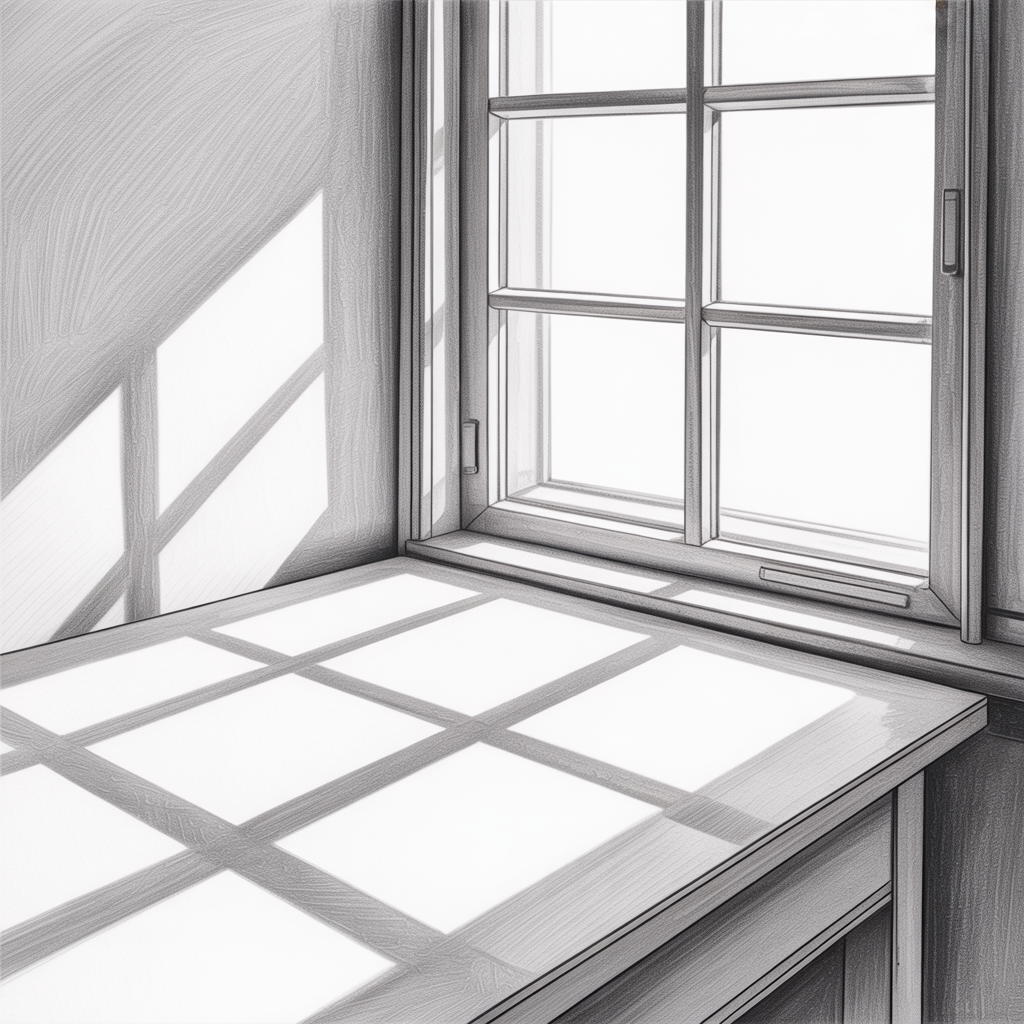
The shadow of curtains or window frames on a table creates a calm subject. Focus on light and shadow instead of details. A reduced grayscale palette is enough to create depth. This exercise sharpens your eye for contrast.
Why this works: Our eyes naturally recognize shadow patterns. Drawing them shifts your focus to subtle transitions and creates depth beyond simple outlines.
How to draw it:
- Lightly sketch window frame rectangles
- Add shading for shadow areas
- Vary the intensity of the shading
- Use a soft eraser to balance light and dark
3. Succulents in Small Pots
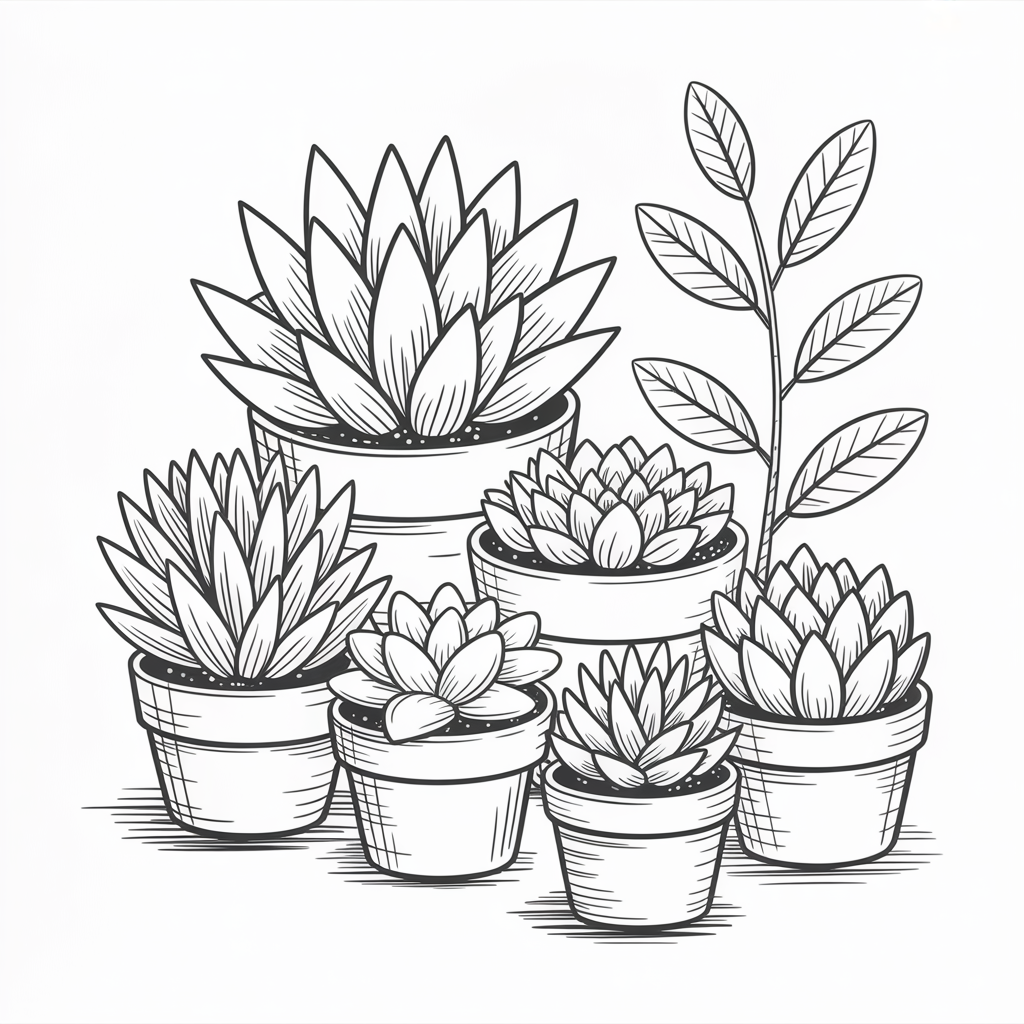
Succulents are elegant and just complex enough for a quick sketch. Their distinctive leaf shapes are easy to simplify. One pot with two or three plants is enough. The geometric structure creates a calming effect.
The symmetry and leaf patterns make this idea beginner-friendly. Each pot can look different, keeping your sketchbook interesting. The result feels both decorative and meditative.
How to draw it:
- Draw a circle or square for the pot
- Arrange triangular or rounded leaves in groups
- Add inner leaf lines with fine strokes
- Lightly shade the underside of leaves
4. Patterned Cushions
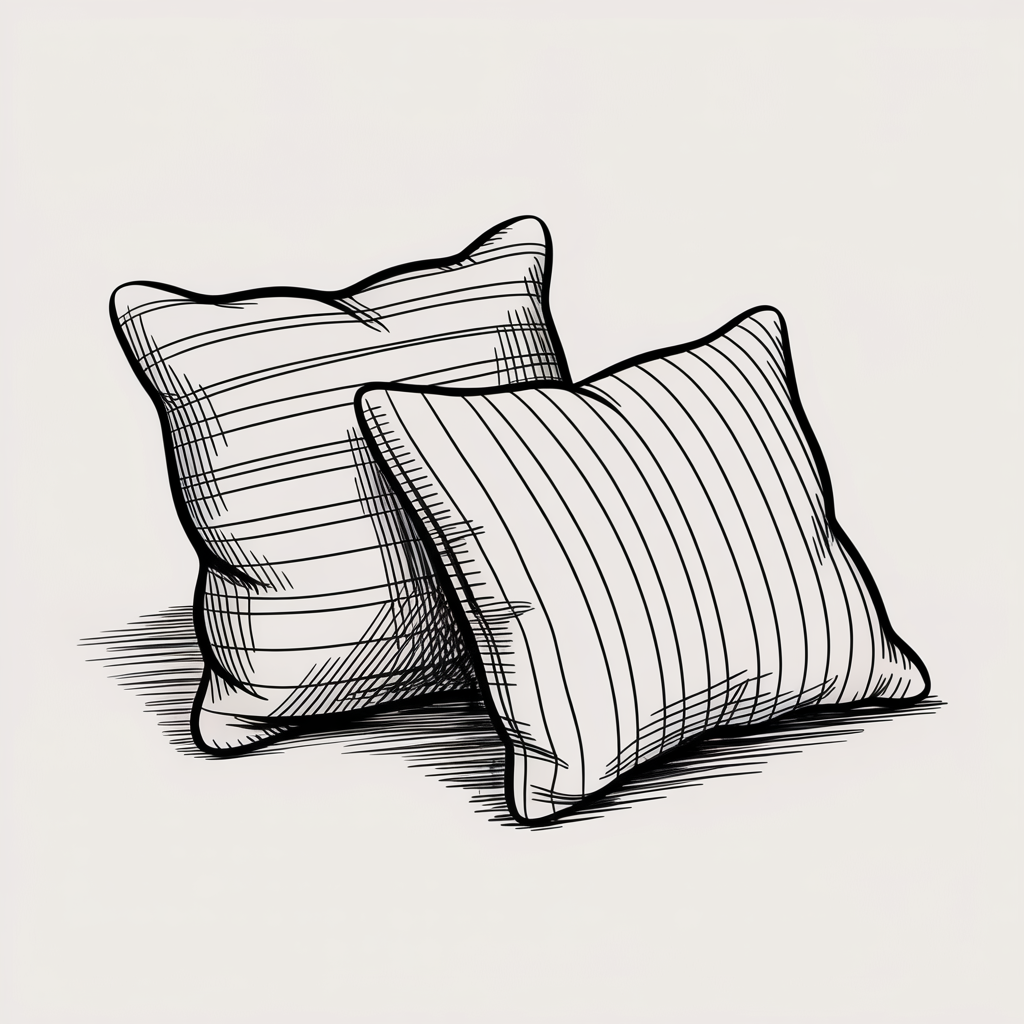
A simple sofa with one or two patterned cushions makes a cozy interior scene. Sketch the fabric structure and add basic shapes or stripes. The repetition creates rhythm in your drawing.
This subject combines everyday life with design. It helps you practice composition and pattern work. You can keep patterns minimal or more detailed depending on your mood.
How to draw it:
- Outline rectangular cushions
- Add simple patterns or lines
- Shade lightly along the edges
- Suggest small folds for volume
5. Simple Ceramic Pieces
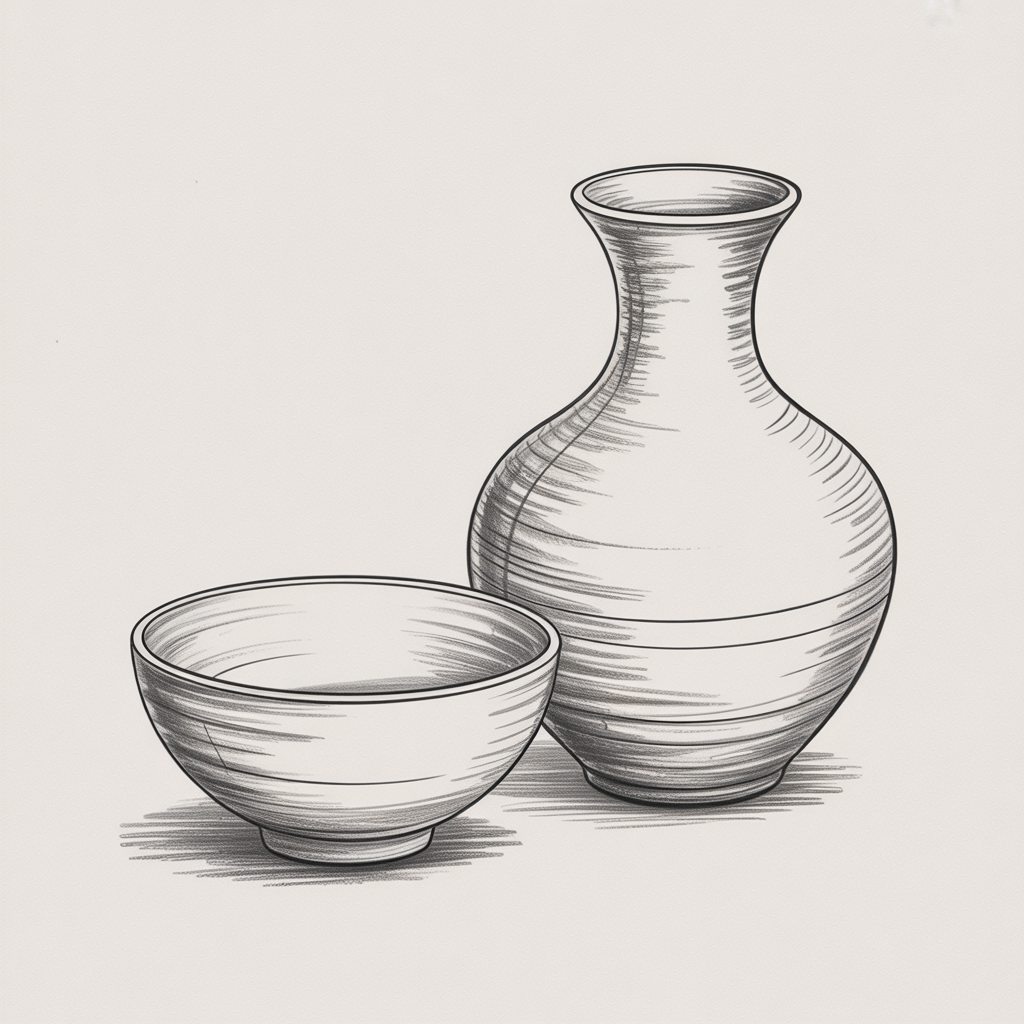
A small bowl or vase with clean lines creates a calm subject. Soft curves can be captured with just a few strokes. Use light shading to suggest texture. The result feels elegant and minimal.
Ceramics are interesting because of their form and material. Drawing them helps you understand curves and proportions in a simple way.
How to draw it:
- Sketch the base with soft elliptical lines
- Show thickness with parallel lines
- Indicate the opening with a gentle curve
- Add shading along the form
6. Autumn Leaves
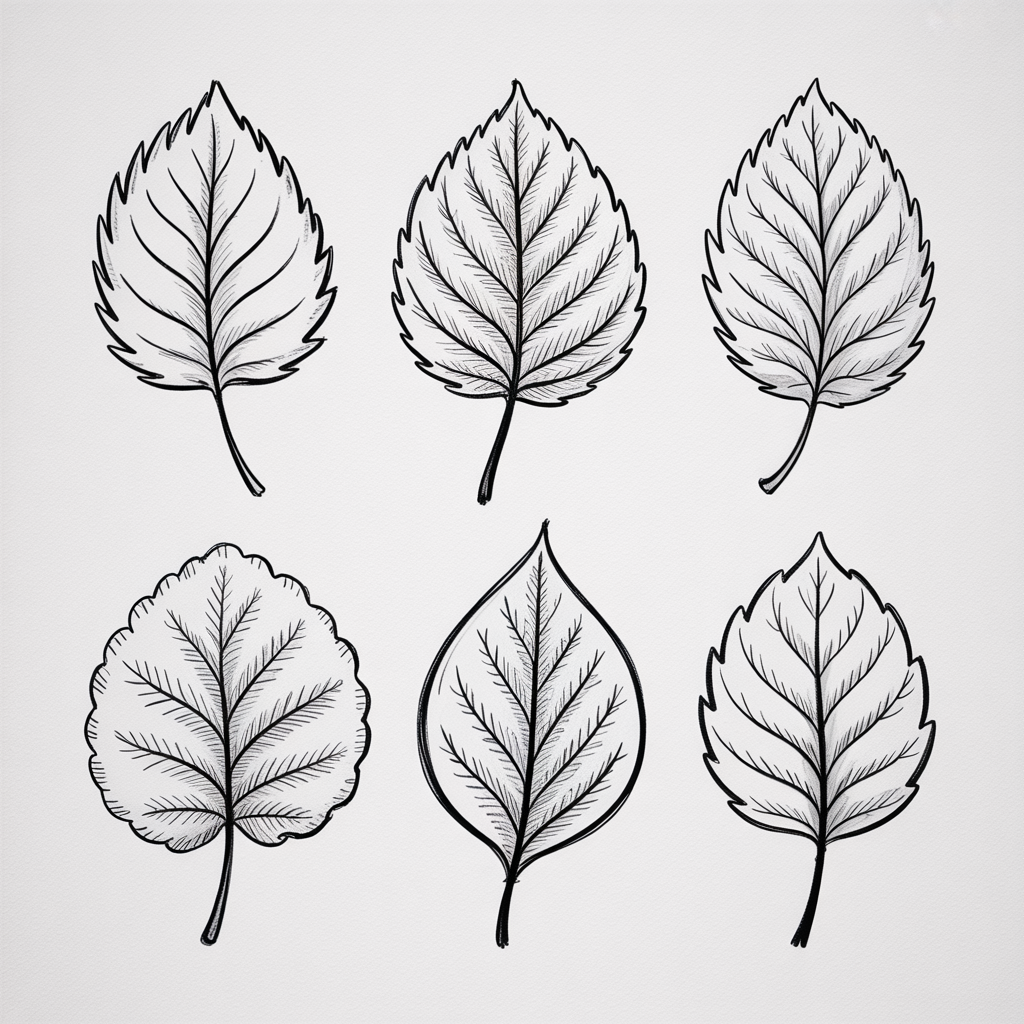
Single leaves in warm tones capture the feeling of autumn. Focus on their unique edges and draw veins with soft, slightly curved lines. Even a quick sketch can express the season’s mood.
Leaves are great practice because each type has different shapes. You train your eye for natural details while keeping the drawing simple.
How to draw it:
- Sketch the outline with irregular lines
- Add main veins with gentle curves
- Suggest side veins lightly
- Add small shadows along the edges
7. Soft Cloud Formation

Looking at the sky offers endless inspiration. Focus on a small cloud and sketch only the outline and soft shadows. This relaxed exercise helps you understand volume.
Clouds are fun because they are fluid and ever-changing. The transition between light and shadow feels calm and meditative.
How to draw it:
- Draw loose, rounded outlines
- Add soft shading for depth
- Lighten areas with an eraser
- Vary edges and shapes naturally
8. Minimalist Bookshelf

A shelf with a few books and decor objects is easy to sketch. Straight lines and right angles create a sense of order. You can design a small arrangement that fits on one page.
This subject feels calm and structured. It helps you practice precision and layout.
How to draw it:
- Draw a rectangle for the shelf
- Add horizontal lines for levels
- Sketch books as narrow rectangles
- Add simple decor shapes
9. Potted Herbs
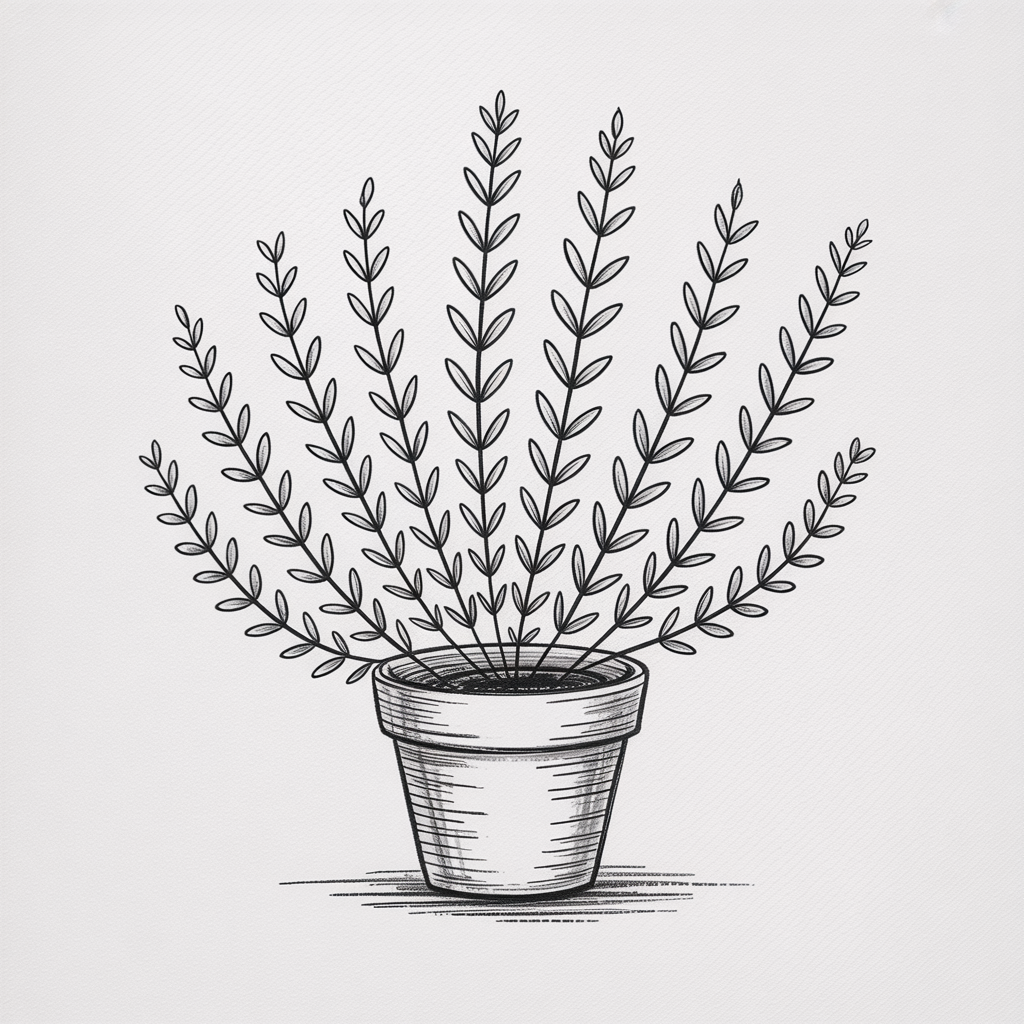
A small herb plant like rosemary or basil can be captured with just a few lines. Focus on thin stems and small leaves. The natural repetition makes the drawing lively yet calm.
Herbs are ideal for practicing patterns and simple structures. The result feels fresh and natural.
How to draw it:
- Draw a pot shape
- Add upward lines for stems
- Place small leaves along the stems
- Add light shading to the pot
10. Glowing Lanterns

A soft evening subject: lanterns with candlelight create a warm mood. Sketch the outer frame and add a glowing center. A few light accents are enough to create atmosphere.
Lanterns combine structure and light, making them visually interesting. The contrast between dark frame and bright center adds depth.
How to draw it:
- Sketch a rectangle or cylinder base
- Add frame lines
- Draw a small flame shape inside
- Add soft light strokes around it
How to use
Pick one idea in the morning when everything is still quiet. Draw in short sessions to clear your mind. Change subjects based on your mood or the season. This keeps your sketchbook personal and alive.
Common mistakes
Lines often become messy when you press too hard. Focusing too much on details can take away the lightness. Many people overlook simple contrasts between light and shadow. Drawing without breaks can affect proportions.
FAQ
How long should a sketch take?
A quick study can take five to ten minutes. It is about flow, not perfection.
What technique is best for beginners?
Use HB or 2B pencils to keep lines soft. Smooth paper helps with fluid movement.
A gentle invitation to return
When you create a small sketch today, you give yourself a reason to return tomorrow. Keep your favorite drawings in one place and flip through them from time to time. They might inspire you at sunrise or in the quiet of evening. These moments belong only to you.