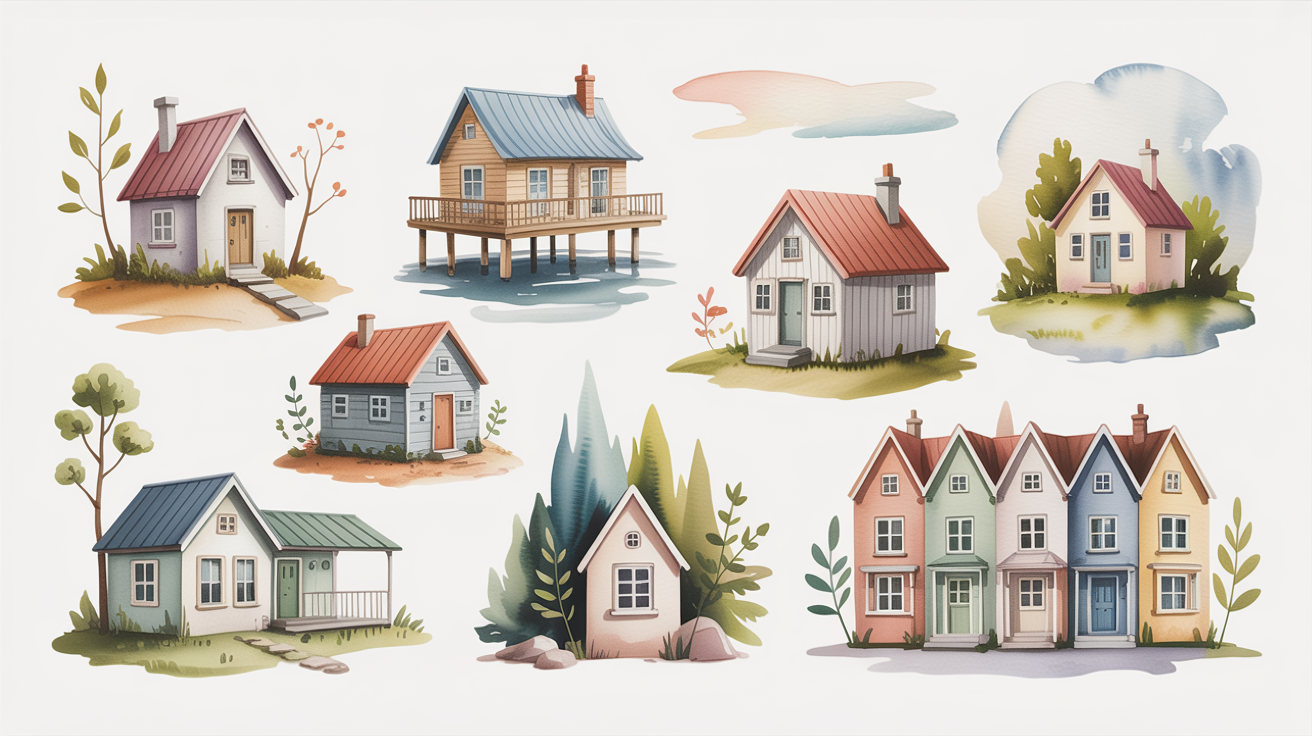
10 easy house watercolor ideas
Imagine early morning light spilling through your window as you sit with a small sketchbook. You might feel the urge to capture the quiet beauty of a simple home or garden scene. Painting tiny houses in watercolor invites a slow, mindful pace. Each brushstroke becomes a gentle moment of calm. These ten easy ideas will help you bring warmth and atmosphere to your art.
How to Start Drawing
Many people struggle because they aim for too much detail from the start. Simplifying shapes and lines can make the process feel more approachable. A minimal approach reduces pressure and lets you focus on light and color. Start small and build your confidence with each sketch.
Simple rectangles and triangles to outline walls and roofs
Light pencil lines to adjust proportions easily
Basic window and door shapes without intricate details
Simple Supplies for This Style
Keep your toolkit minimal and calm:
A small watercolor palette with a few muted colors
Fine round brush and a flat wash brush
Cold-press watercolor paper, a pencil, and a soft eraser
Cozy Cottage
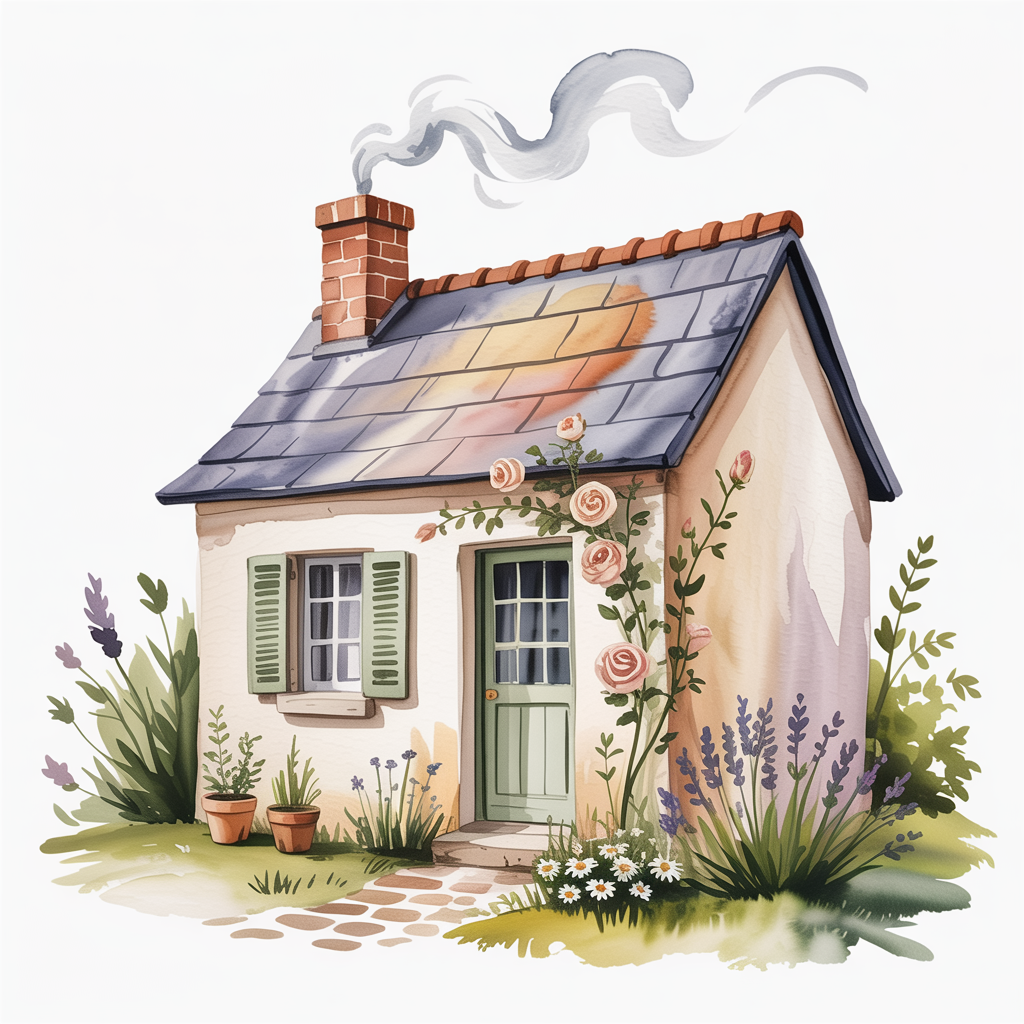
This idea captures a small country dwelling with a sloped roof and a single chimney. The walls are rendered in a warm wash, and the windows glow softly. You can add climbing vines or a small garden for extra charm. It’s perfect for practicing light and shadow on simple forms.
The cozy cottage works because its familiar shape offers an immediate sense of comfort. Its symmetry helps you focus on even washes and balanced shading. Soft edges around the roof can suggest moss or age, giving the painting character.
How to draw it:
Sketch a rectangle for the main body and a triangle on top for the roof.
Add a small rectangle for the chimney and simple square windows.
Lay a light wash of muted ochre on the walls and a gentle gray on the roof.
Use a fine brush to paint window frames and add climbing vine accents.
Seaside Hut
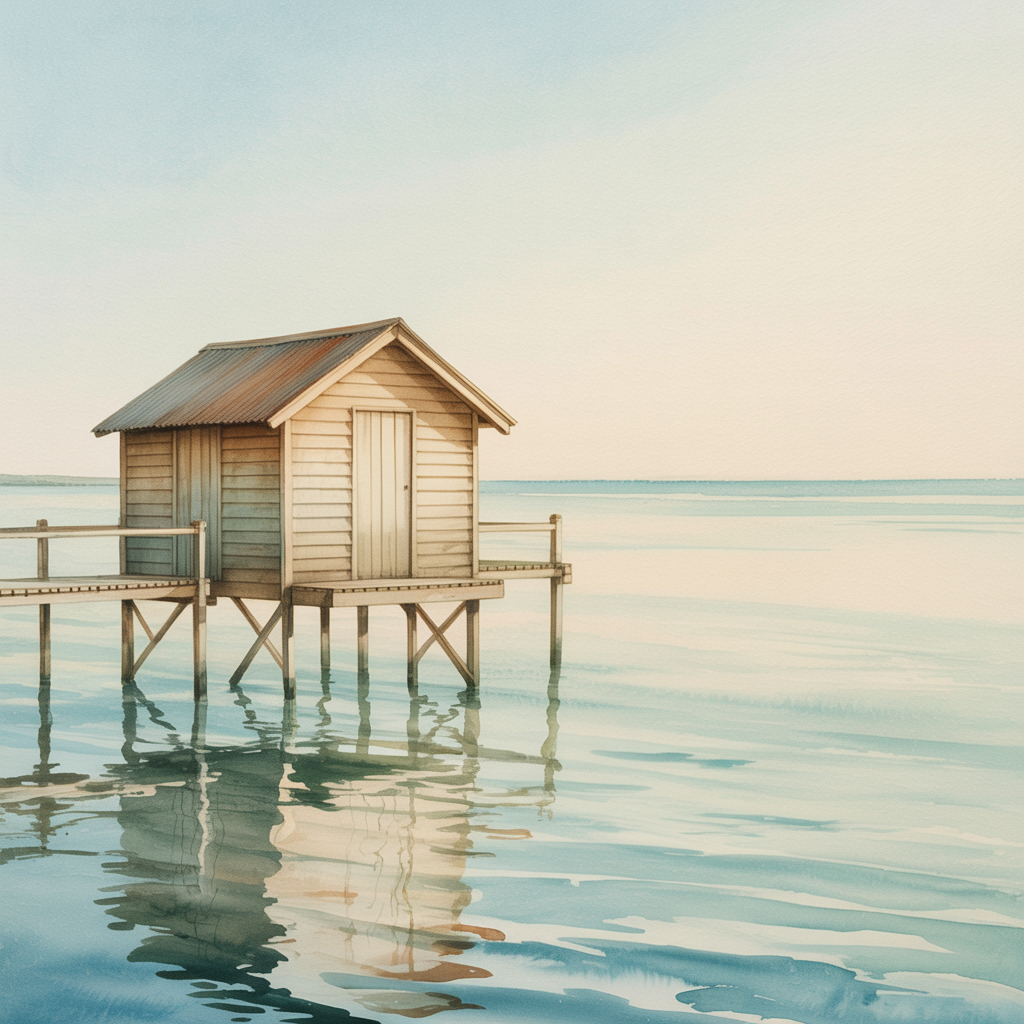
Imagine a tiny beach hut standing on stilts by the water’s edge. The structure is simple, with vertical planks and a small porch. Soft blues and sandy browns evoke the clear sky and warm shore. This scene brings a serene coastal feeling to your practice.
The seaside hut stands out because of its vertical lines and open space underneath. Painting the reflection in shallow water adds a reflective quality that challenges your control of wet-on-wet techniques. It’s a great way to explore gentle color transitions.
How to draw it:
Start with a narrow rectangle for the hut body and a smaller rectangle below for stilts.
Draw a horizontal line for the porch floor and a simple railing.
Apply a wash of light blue to the hut and sandy tones beneath.
Use a damp brush to soften edges and create a subtle reflection.
Mountain Cabin
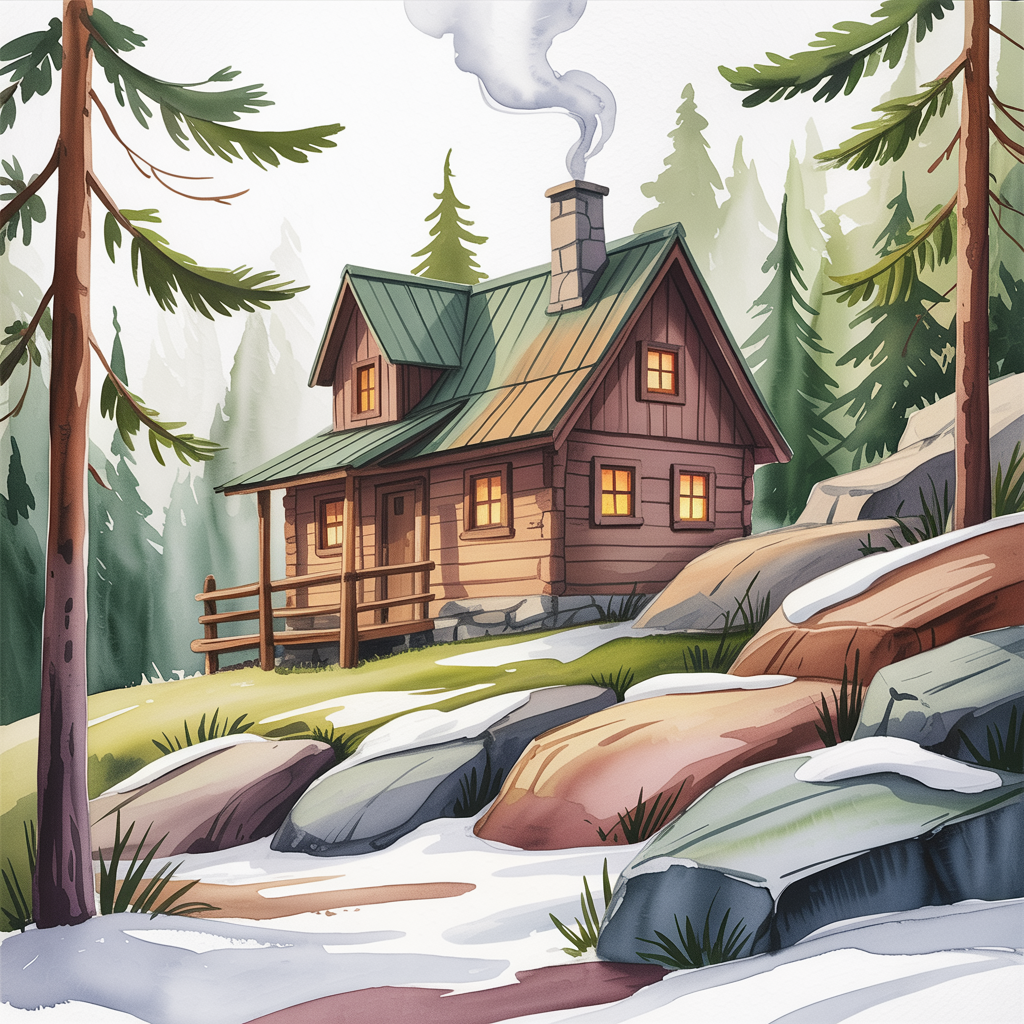
This design features a sturdy wooden cabin nestled against a rocky hillside. The roof is steep to shed snow, and a plume of smoke drifts from the chimney. Earthy browns and muted reds set a rustic mood. You can frame the scene with a few pine trees on the sides.
The mountain cabin idea works by combining angular rooflines with natural textures. You’ll practice adding grain to wooden walls and rough textures to rocks. The contrast between solid forms and soft snow offers a peaceful wintery vibe.
How to draw it:
Draw a wide rectangle for the cabin and two steep triangles for the roof.
Add a small square for the chimney and draw simple tree silhouettes nearby.
Paint the walls with a dry brush technique to suggest wood grain.
Use a light gray wash for the hillside and soft white highlights for snow.
Urban Loft House
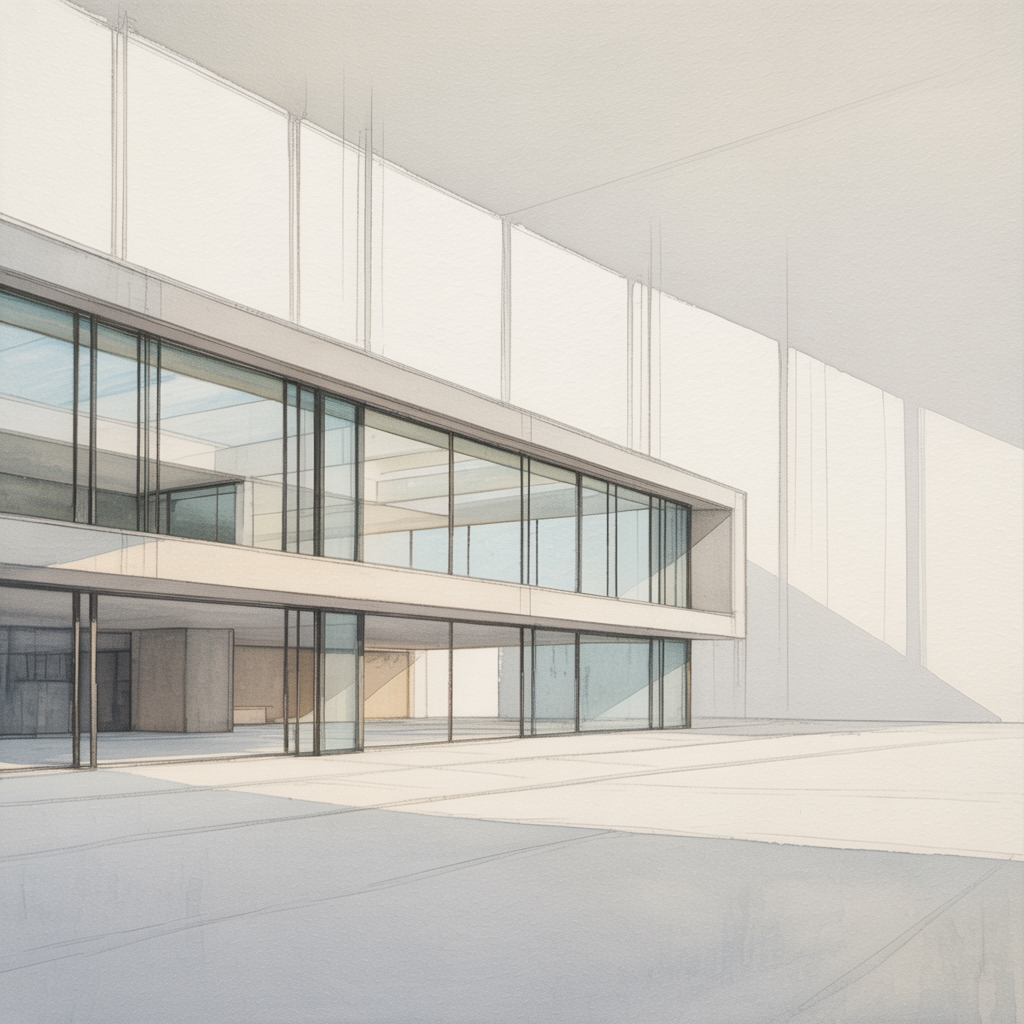
Picture a narrow, modern loft with large windows spanning two floors. Clean lines and minimal details give it a contemporary feel. You can include a rooftop terrace or a string of lights for an urban touch. Neutral grays paired with a single accent color bring balance.
The urban loft house stands out for its vertical emphasis and large glass surfaces. You’ll work on crisp edges and reflective window panels. It’s a chance to practice masking fluid to preserve bright highlights.
How to draw it:
Outline a tall rectangle and divide it into two horizontal sections.
Sketch large window panes as smaller rectangles within each section.
Apply a smooth gray wash for the structure and a pale blue for the glass.
Use masking fluid to block out window reflections before painting.
Tiny Garden Bungalow
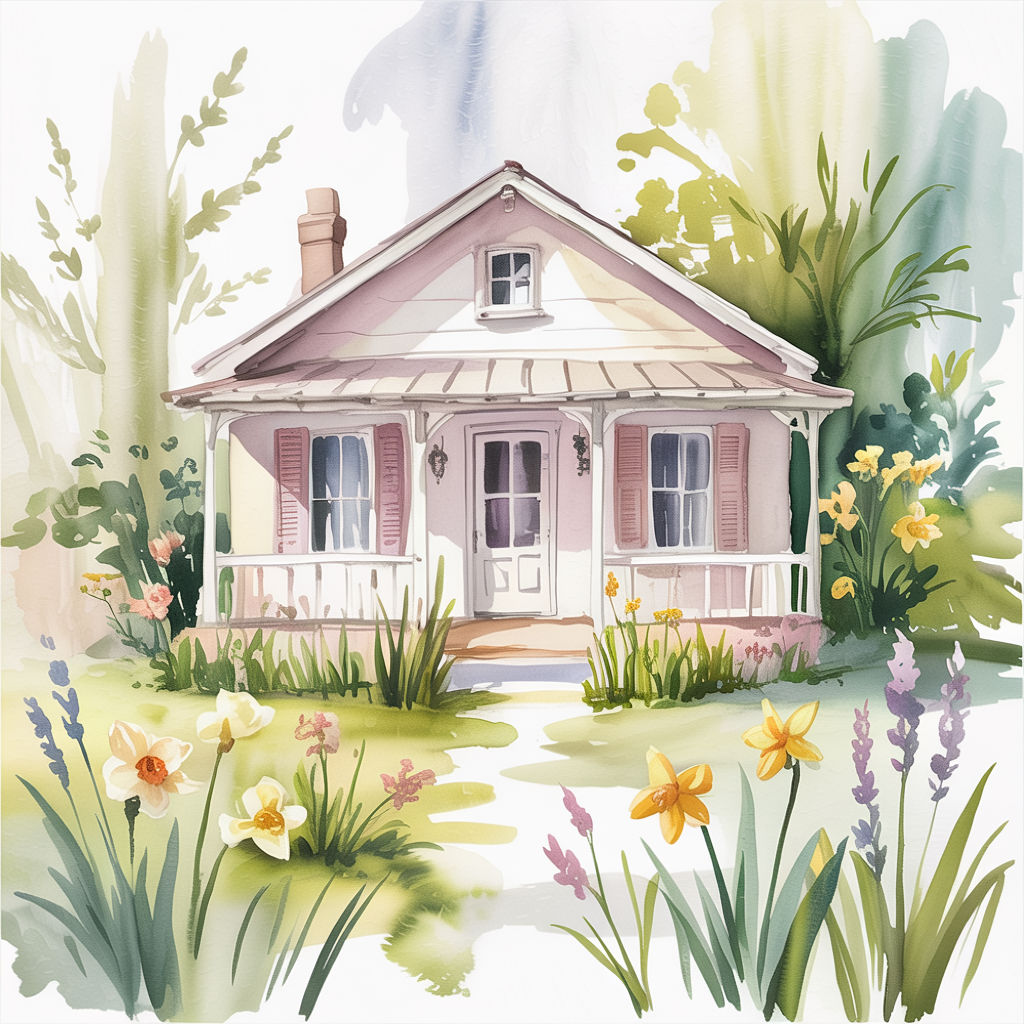
This bungalow is small and wide, with a low, sloping roof and overhanging eaves. Surround it with simple flower beds or potted plants. Soft pastels for the walls and fresh greens for foliage create a calming effect. It’s ideal for exploring how watercolor handles delicate plant shapes.
The garden bungalow resonates because of its low profile and friendly proportions. Painting blossoms with gentle dabs of color helps you refine your wet-on-dry technique. The contrast between architectural lines and organic plants adds harmony.
How to draw it:
Draw a broad rectangle and a slightly larger triangle overlapping for the roof.
Add small ovals or circles around the base to represent flowers and shrubs.
Lay a pale pastel wash on the walls and use quick brush dabs for blooms.
Paint leaves with varied green tones to suggest depth.
Lakeside Villa
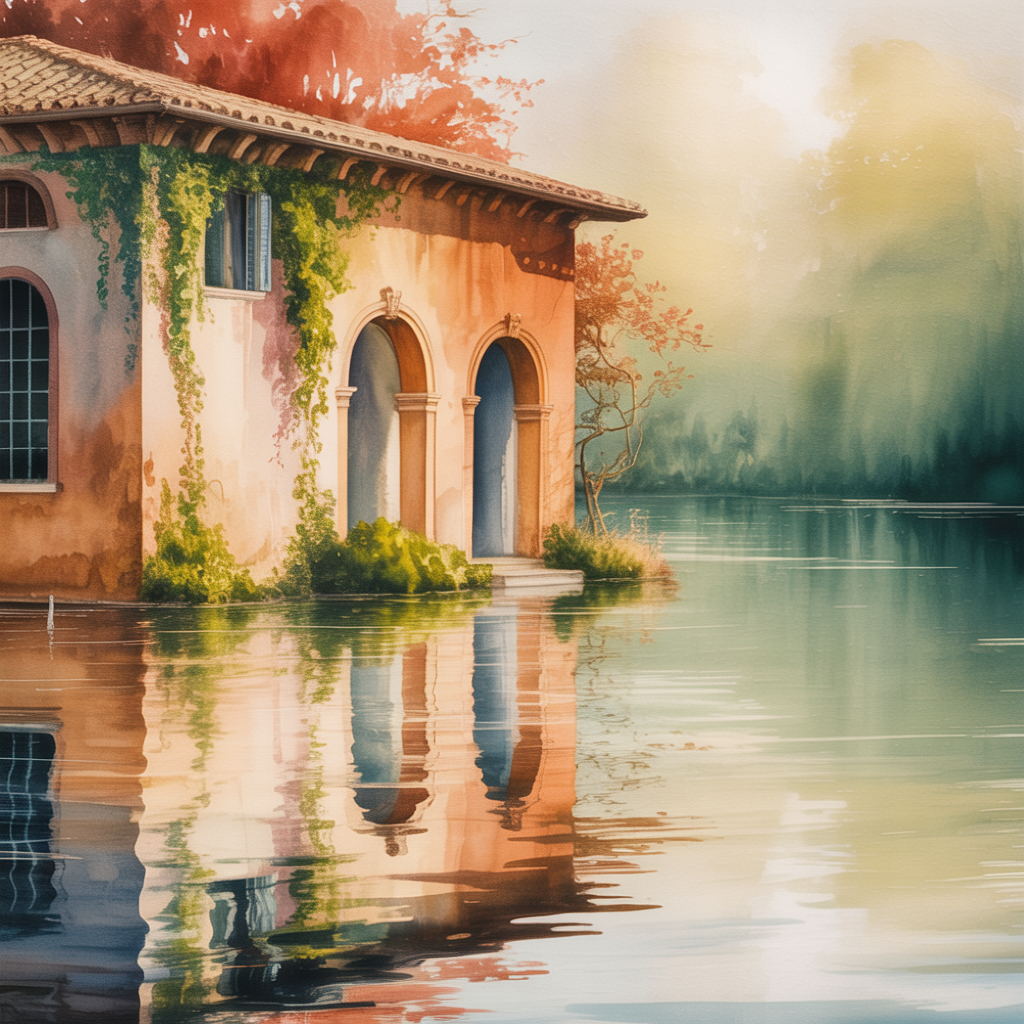
Envision a grand villa with arched windows and a tiled roof by a still lake. The reflection offers a mirror effect that deepens your practice. Warm terracotta tiles contrast with cool water tones. You can add a small dock or a rowboat for extra detail.
The lakeside villa idea works because reflections add complexity without extra shapes. You’ll learn to soften edges in the water and maintain crisp roof tile lines. It’s an elegant way to balance bold and subtle elements.
How to draw it:
Start with a wide rectangle and draw semi-circles for arched windows.
Sketch a gently curved line for the shoreline and a small dock.
Use a warm orange wash for the roof and a cool blue-green for the lake.
Softly blur the lower half of the villa to suggest its reflection.
Rustic Country Farmhouse
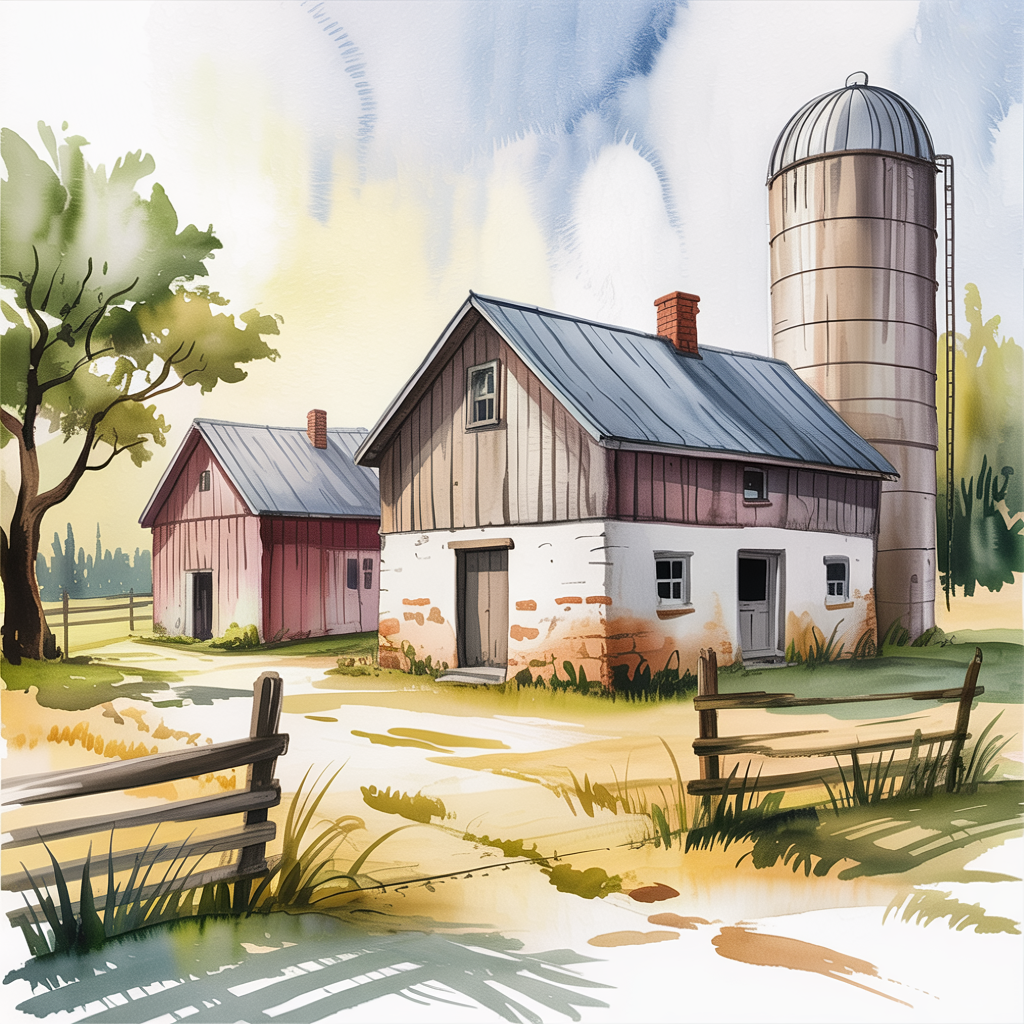
Picture a farmhouse with an attached barn and a tall silo nearby. Weathered wood and stone accents give it character. You can add a fence or a nearby tree to complete the rural scene. Subtle browns and grays reflect the aged materials.
The farmhouse layout offers varied textures, from rough stone to smooth glass in windows. You’ll practice layering washes to build texture and using dry brush strokes for weathered wood. The barn adds an extra shape to explore composition.
How to draw it:
Draw two connected rectangles for the house and barn, plus a cylinder for the silo.
Add small rectangles for windows and a triangle roof on each structure.
Paint a gray wash for stone walls and a light brown for wood panels.
Use a nearly dry brush to suggest wood grain on the barn doors.
Whispering Forest Treehouse
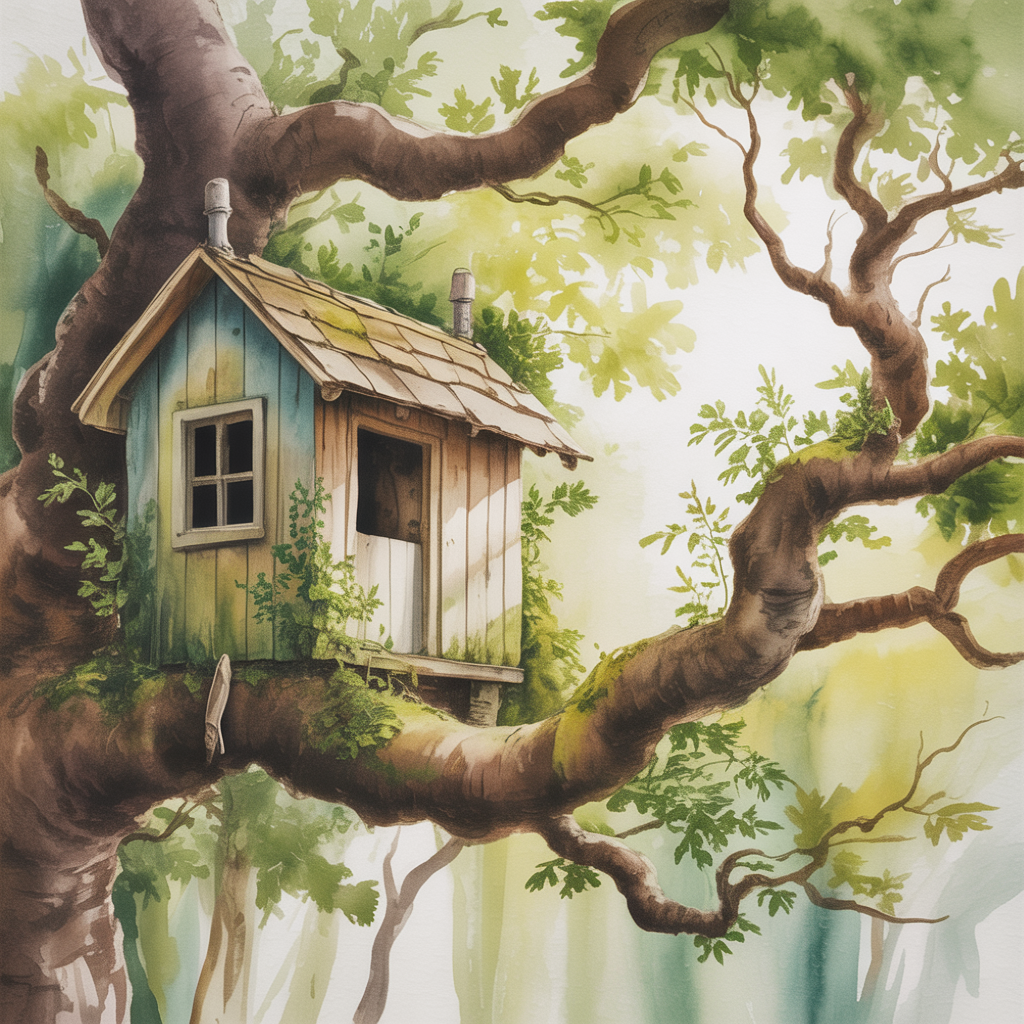
Imagine a small house nestled in leafy branches, with wooden planks and rope ladders. The canopy surrounds the structure with shifting greens and dappled light. You can paint thin trunks and soft foliage washes. It’s perfect for learning to layer translucent colors.
The treehouse idea shines because it combines man-made shapes with organic forms. You’ll practice blocking in large leaf areas and then adding fine branch details. Light filtering through leaves allows you to explore varied green hues.
How to draw it:
Sketch a small rectangle for the house and thin lines for supporting trunks.
Add a sloped roof and simple ladder rungs leading up to the door.
Paint the house in muted browns and use a wet-on-wet technique for leafy greens.
When dry, use a fine brush to add slender branches and leaf veins.
Minimalist Tiny Home
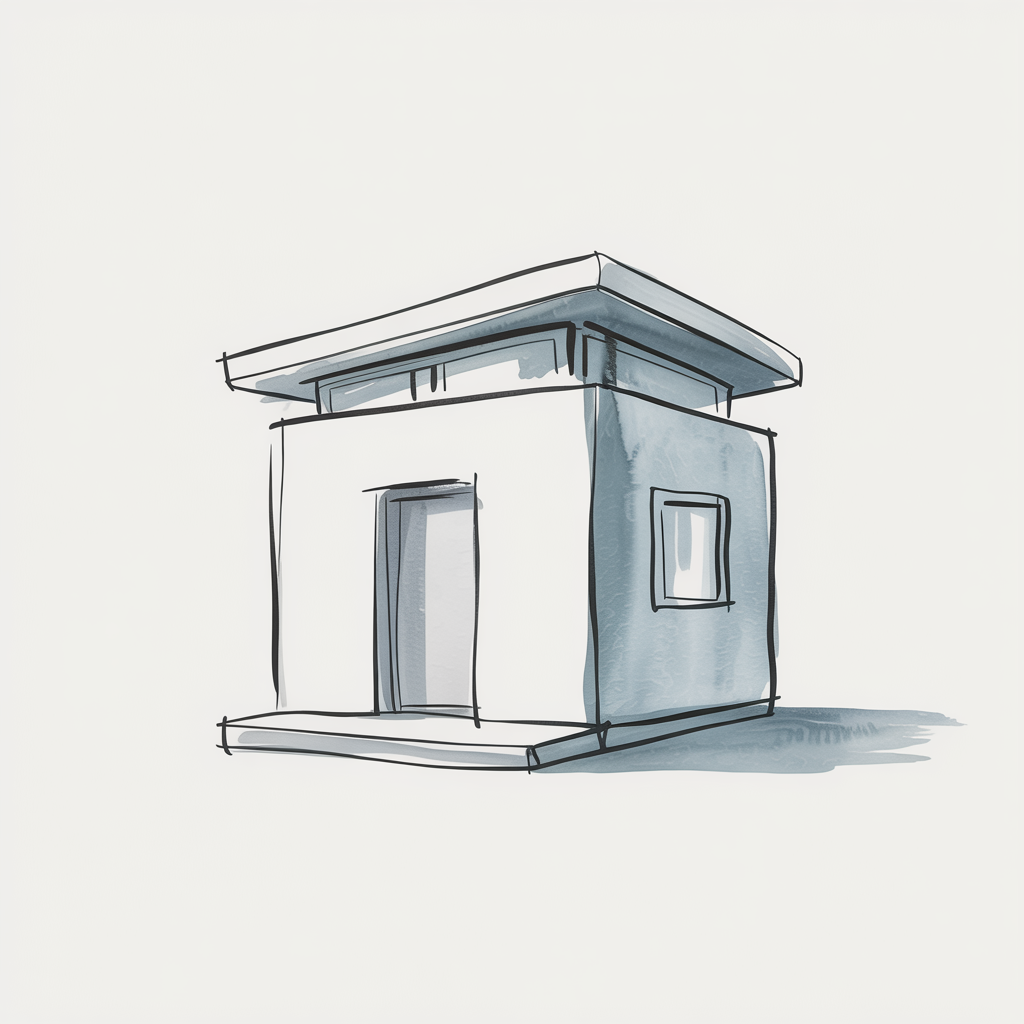
This idea uses only essential shapes: a square base and a flat roof. Clean lines and negative space create a modern look. You can focus on two or three muted colors for a harmonious palette. It’s an exercise in restraint and balance.
The minimalist tiny home works by emphasizing composition over detail. You’ll learn to place elements thoughtfully and let empty space breathe. Practicing soft color boundaries enhances your control over water flow.
How to draw it:
Draw a simple square and a slightly larger rectangle on top for the roof.
Divide the front into two sections with a vertical line and add a small door.
Choose two soft colors and paint each section in a separate wash.
Keep edges clean by letting each layer dry before adding the next.
Dreamy Townhouse
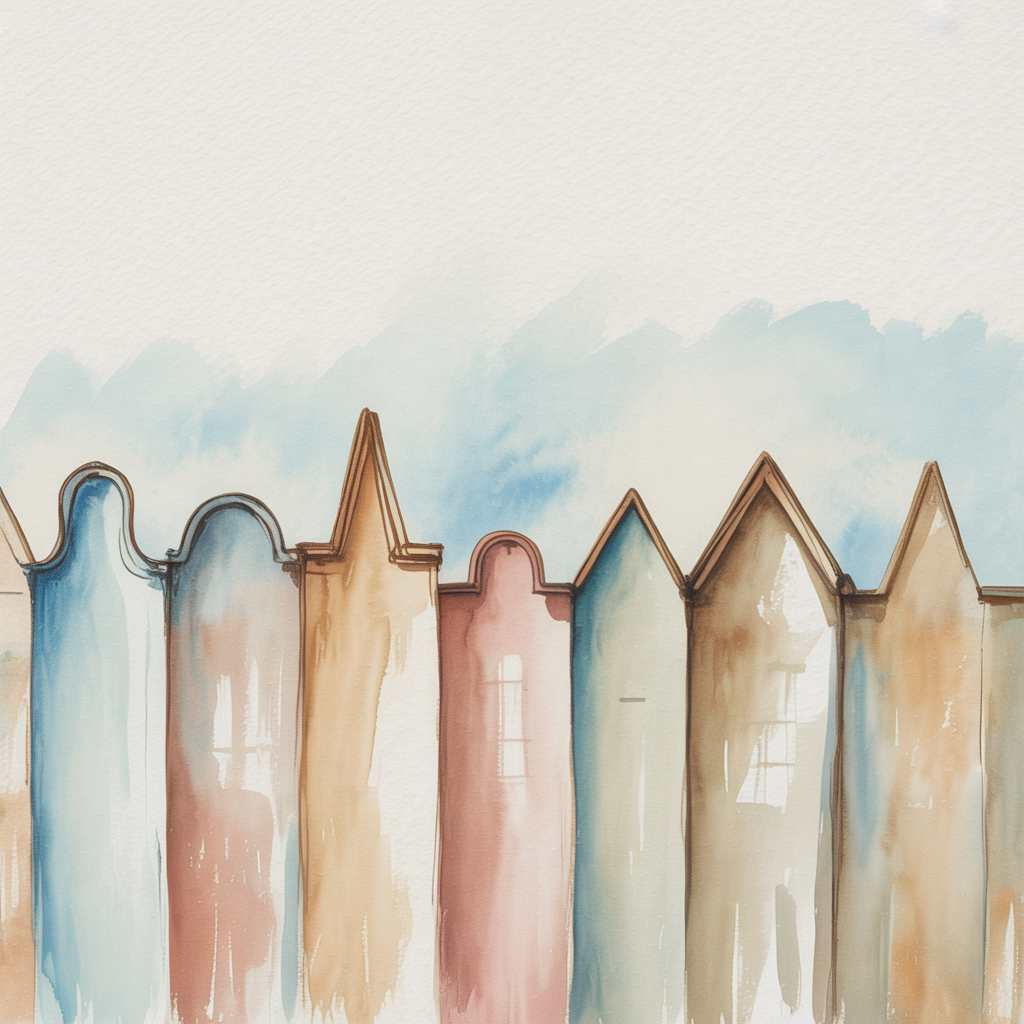
Picture a row of narrow townhouses with varying rooflines and pastel facades. The repetition creates rhythm, while slight differences keep it lively. You can add small balconies or window boxes for a personal touch. Soft, dusty colors evoke a tranquil street scene.
The dreamy townhouse idea allows you to explore pattern and variation. Painting multiple units trains you to repeat shapes and shift color intensity. A light wash for the sky behind ties the scene together.
How to draw it:
Sketch three or four connected rectangles of equal width but varying heights.
Add simple roof shapes such as flat, gabled, or mansard for each unit.
Paint each facade in a different pale color to suggest individuality.
Use a light gray-blue wash for the background sky and ground line.
How to Use
The small house paintings work beautifully as greeting card motifs or gift tags. You can group them in a sketchbook to create a thematic mini collection. Try scanning your favorites to print on stationery or wall art. Each study also fits nicely into a mindful journaling practice.
Common Mistakes
Applying too much water can cause colors to bleed into unwanted areas.
Pressing hard with your brush often creates streaks instead of smooth washes.
Omitting the pencil sketch may lead to uneven rooflines and skewed doors.
Painting new layers before the previous ones dry can muddy your colors.
FAQ
Do I need special paper?
Watercolor paper with medium texture absorbs color evenly and prevents buckling.
Can I use regular brushes?
A mix of round and flat brushes works well, but softer synthetic brushes can also give smooth washes.
How long should I wait between layers?
Let each wash dry fully, about five to ten minutes, before adding details to avoid unwanted blending.
Embrace Your Little Houses
Save these ideas for your next quiet painting session and return whenever you need a creative pause. Let each small house sketch remind you to slow down and enjoy the simple pleasure of color and form. Keep a few blank pages ready in your sketchbook for fresh inspiration. May your watercolor practice bring gentle moments of calm.