The Psychology of Drawing: Why It Feels So Calming
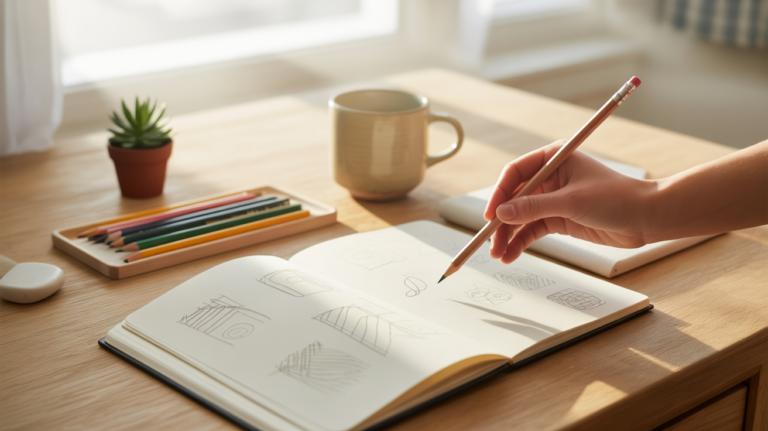
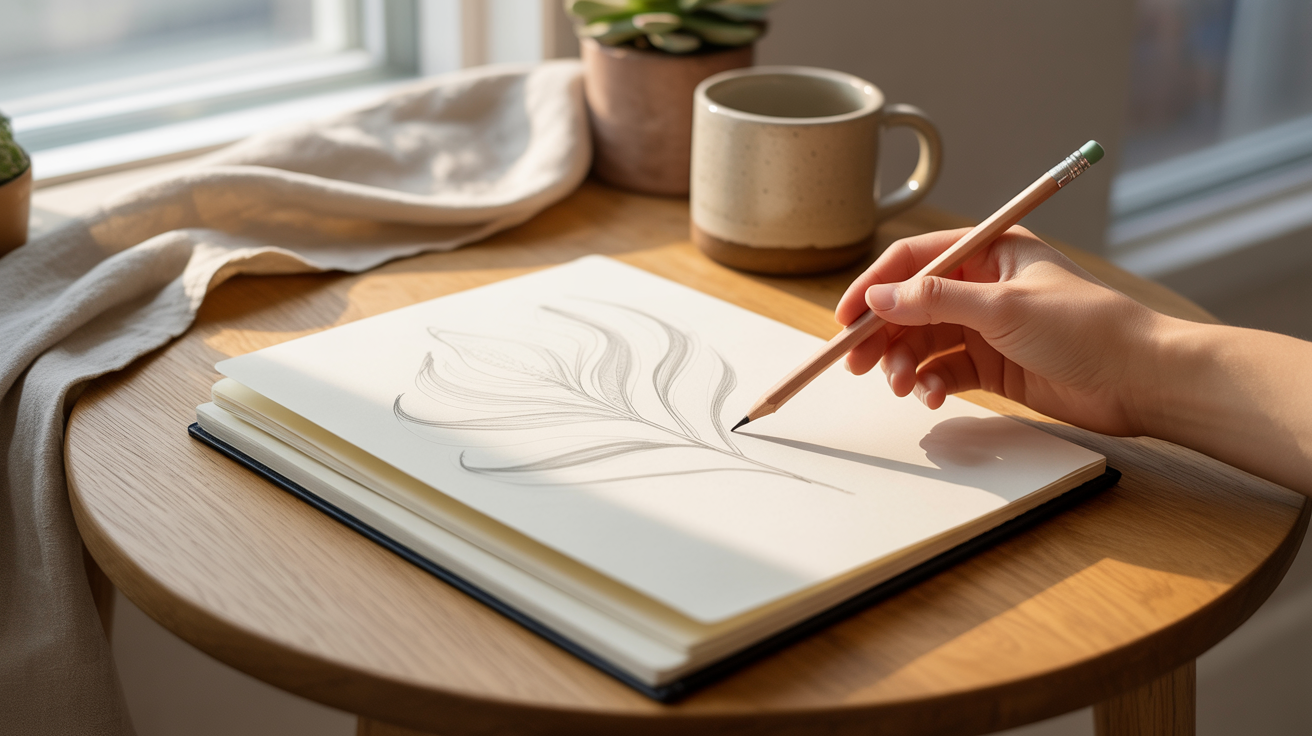
There are moments when your mind feels full before the day has even properly begun, when thoughts overlap, small tasks turn into noise, and even rest does not quite bring the quiet you are looking for. In these moments, drawing can feel like something simple, almost insignificant at first glance, yet the moment you place a pencil on paper, something begins to shift in a way that is difficult to explain but deeply noticeable. Your breathing slows without effort, your attention narrows naturally, and the constant inner dialogue that usually fills the background of your mind begins to soften. Drawing does not demand perfection, speed, or productivity, which is exactly why it creates space for calm to appear without pressure.
What makes drawing so powerful is not only the act itself but the way it gently reorganizes your mental state. Unlike many activities that require constant decision-making or external validation, drawing allows you to enter a state where the process matters more than the outcome. This subtle shift removes the need to perform and replaces it with a quiet sense of presence. You are no longer thinking about everything at once. You are simply following a line, adjusting a shape, observing a shadow, and in doing so, your mind begins to settle into a rhythm that feels steady and grounded.
The Science Behind Calm Focus
From a psychological perspective, drawing engages multiple areas of the brain at the same time, which creates a unique balance between concentration and relaxation. Your visual processing system observes shapes and proportions, your motor system controls fine hand movements, and your attention system filters out distractions to stay with the task. This combination is important because it keeps your mind active without overwhelming it, which is one of the key reasons why drawing feels calming instead of exhausting.
When you draw, your brain also reduces activity in areas associated with rumination, which is the repetitive thinking that often fuels stress and anxiety. Instead of looping through worries or unfinished tasks, your attention is redirected toward something tangible and immediate. This is similar to what happens during meditation, where focus on a single object or sensation creates distance from intrusive thoughts. Drawing achieves a similar effect, but in a more flexible and creative way that feels natural even if you are not intentionally trying to be mindful.
Another important factor is the release of dopamine, a neurotransmitter linked to motivation and reward. Even small progress in a drawing, such as refining a line or completing a simple shape, can trigger a sense of satisfaction. This creates a gentle feedback loop where your brain associates drawing with positive feelings, making it easier to return to the activity again and again without forcing yourself.
Flow State and the Quiet Mind
One of the most powerful psychological experiences connected to drawing is the state of flow, a mental state in which you become fully immersed in what you are doing. Time feels different, distractions lose their importance, and your actions begin to feel almost automatic. This state is often described as effortless focus, where you are neither bored nor overwhelmed, but balanced in a way that allows deep concentration to emerge naturally.
Drawing is particularly well suited for entering flow because it can be adjusted to your skill level at any moment. You can choose something simple when your energy is low, such as basic shapes or repetitive patterns, or something more detailed when you feel more focused. This flexibility keeps the challenge level just right, which is essential for maintaining flow. If something is too difficult, it creates tension, and if it is too easy, it creates boredom. Drawing allows you to stay in that middle space where calm engagement can grow.
In this state, your sense of self-awareness often becomes quieter. You are less concerned with how your work looks to others and more connected to the act itself. This is where many people experience a deep sense of mental relief, because the usual pressure to evaluate or judge disappears for a while. You are not thinking about the past or the future. You are simply present with what is in front of you.
Drawing as a Form of Mindfulness
Mindfulness is often associated with structured practices like meditation or breathing exercises, but at its core, it is simply about paying attention to the present moment without judgment. Drawing naturally supports this state because it invites you to observe rather than react. When you sketch a simple object, you begin to notice details that you would normally overlook, such as the way light falls on a surface or how shapes connect to each other.
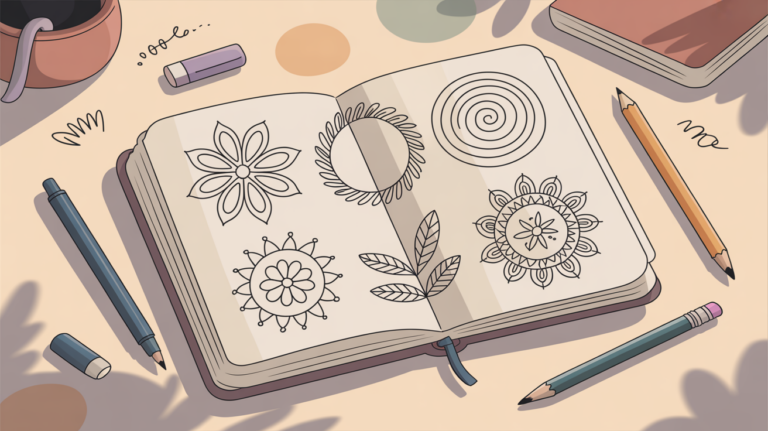
This kind of attention slows down your perception of time and creates a sense of space between your thoughts. Instead of being carried away by mental noise, you begin to anchor yourself in what you see and what you are doing. Even repetitive drawing, such as patterns or doodles, can become a form of moving meditation where each line reinforces a steady rhythm that calms the nervous system.
What makes drawing especially accessible as a mindfulness practice is that it does not require a specific environment or strict rules. You do not need silence, special tools, or long periods of time. A few minutes with a pen and paper can be enough to shift your state of mind, especially if you allow yourself to draw without expectations. The goal is not to create something impressive, but to stay present with the process.
Emotional Regulation Through Creativity
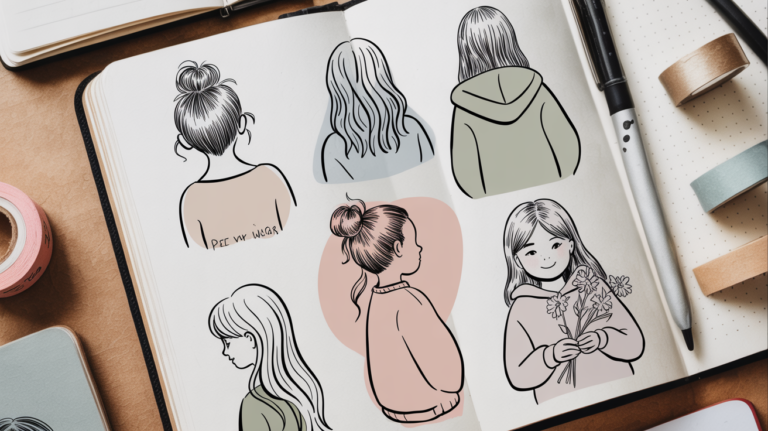
Drawing also plays a subtle but important role in emotional regulation. When you translate thoughts or feelings into visual form, you create a small distance between yourself and those emotions. This distance makes it easier to process what you are experiencing without becoming overwhelmed. Even abstract lines or simple sketches can carry emotional meaning, allowing you to express something that might be difficult to put into words.
For many people, drawing becomes a quiet way to release tension. The physical movement of the hand, combined with focused attention, helps reduce the intensity of stress responses in the body. Over time, this can train your nervous system to associate drawing with safety and calm, making it a reliable tool for moments when you feel overstimulated or mentally drained.
It is also worth noting that drawing does not need to be expressive in an obvious way to have this effect. Even technical or observational drawing can support emotional balance, because the act of focusing and creating structure brings a sense of control and clarity. In a world that often feels unpredictable, this small sense of order can be deeply grounding.
Why Simplicity Works Best
One of the most common misconceptions about drawing is that it needs to be complex or skillful to be meaningful. In reality, simplicity is often what makes drawing most effective for calming the mind. Simple shapes, clean lines, and minimal detail reduce cognitive load, allowing your brain to relax while still staying engaged.
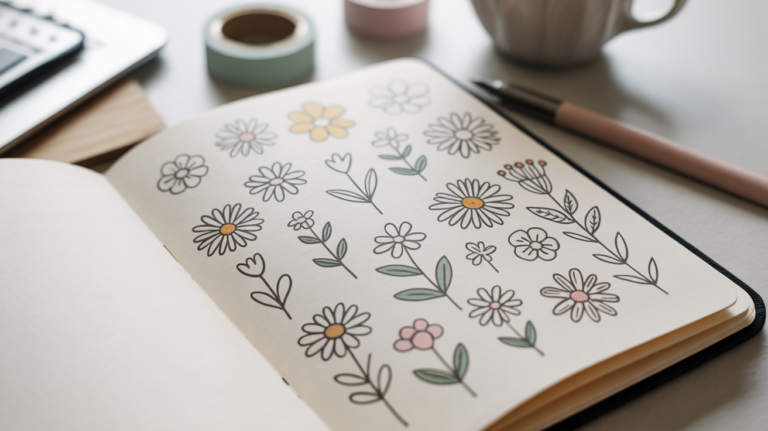
When you remove the pressure to create something detailed or perfect, you also remove one of the main sources of stress associated with creative work. This is why many people find comfort in doodling, sketching everyday objects, or repeating patterns. These activities provide just enough structure to hold your attention while leaving space for your mind to rest.
Over time, this approach can change the way you think about creativity itself. Instead of seeing it as something that requires talent or effort, you begin to experience it as something that supports your well-being. Drawing becomes less about results and more about the quiet moments it creates.
Bringing Drawing Into Your Daily Life
You do not need a dedicated studio or long uninterrupted hours to benefit from drawing. In fact, the most effective approach is often to integrate small drawing moments into your daily routine. This could be a quick sketch in the morning, a few lines during a break, or a simple doodle before going to sleep. The consistency matters more than the duration.
Keeping your tools visible and accessible can make a significant difference. When your sketchbook is within reach, it becomes easier to start without overthinking. The goal is to reduce friction, so that drawing feels like a natural option rather than a task you have to plan.
It can also help to redefine what counts as drawing. It does not have to be a finished piece or even something you show to others. It can be a page of lines, shapes, or small studies that exist only for you. This shift removes pressure and makes the habit easier to maintain.
The Quiet Power of Drawing
Drawing does not promise instant transformation, and it does not need to. Its strength lies in the small, consistent shifts it creates over time. Each moment of focus, each line drawn without pressure, and each quiet pause in your day contributes to a calmer and more balanced mental state.
In a world that often rewards speed and constant activity, drawing offers something different. It invites you to slow down, to pay attention, and to find calm in a simple, tangible way. And the more you return to it, the more natural that calm begins to feel.