10 easy beach watercolor ideas
On quiet afternoons, you might find yourself longing for the sea’s calm presence even from your own home or garden. Bringing a touch of shorelines into your living space can feel overwhelming when you’re new to watercolor. You might worry about choosing the right scene or getting the colors to blend. These easy beach ideas are meant to guide you gently, one simple step at a time. Each suggestion helps you practice mindful strokes and enjoy a moment of visual serenity.
How to start drawing
Many people hesitate because they expect perfect results and feel overwhelmed by choices. Breaking the process into small steps helps you focus on simple shapes. A minimal palette and a few basic strokes can set you free. Begin with calm observation and let go of perfection.
- Light pencil sketch
- Loose watercolor washes
- Mindful breathing pauses
Simple Supplies for This Style
You only need a few items to begin your beach watercolors. A basic watercolor set, a pad of medium-weight paper, and one round brush will do. Keep a cup of clean water and a paper towel close by.
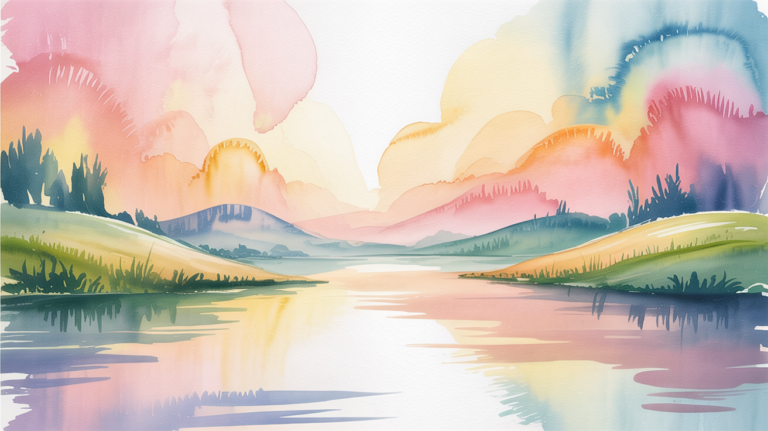
Gentle Sunrise Over Waves
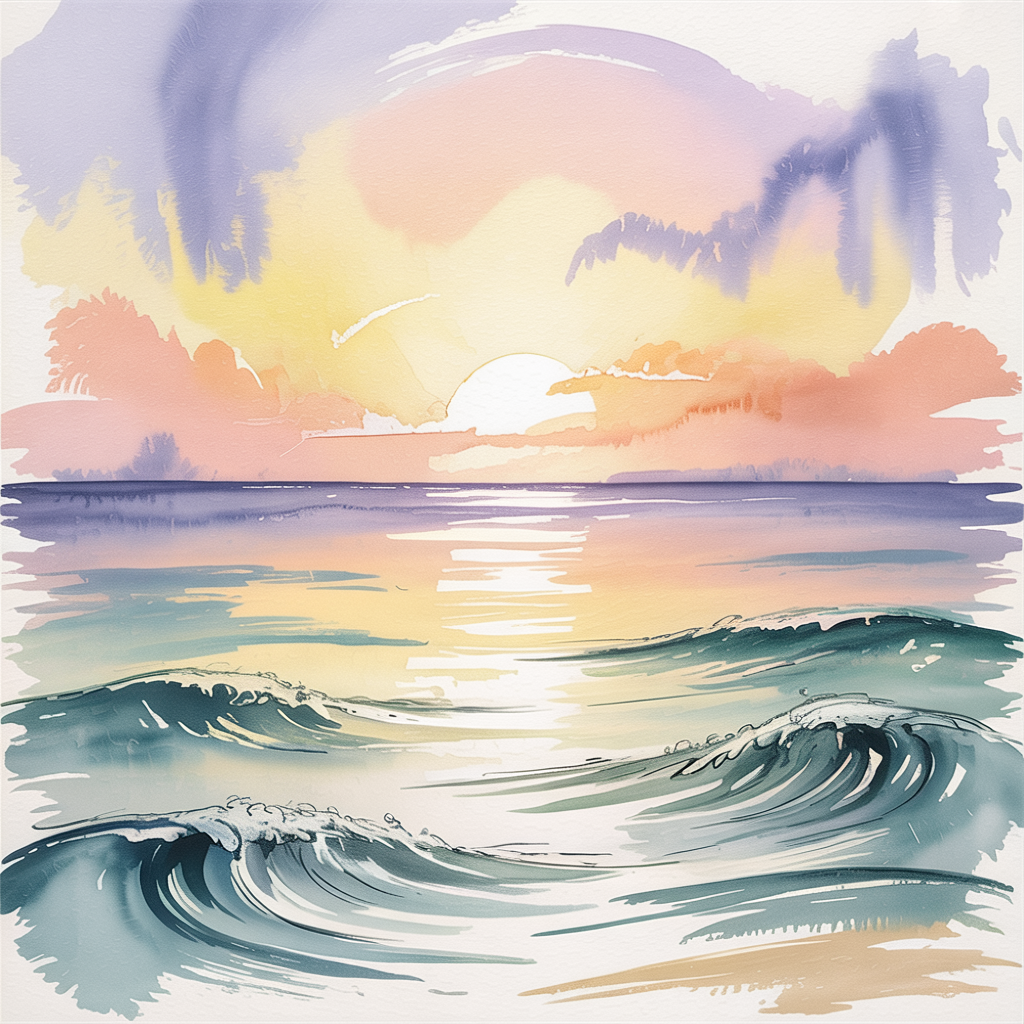
Start with a horizon line and imagine the early light spilling across gentle waves. Sketch a few curved lines in pencil to mark the water’s movement. Apply a pale yellow wash near the horizon, then blend softly into peach and lavender. Keep each layer light to preserve the tranquil glow.
This idea works by focusing on color transitions rather than detailed forms. The soft gradient evokes a calm atmosphere and hints at the shifting sky. It’s an effortless way to capture the warmth of morning light.
Haw to draw it: sketch a straight horizon line lightly; paint a thin band of pale yellow at the horizon; blend a soft peach wash above; add a lavender layer at the top; once dry, trace gentle wave curves in light gray
Seashell Trio
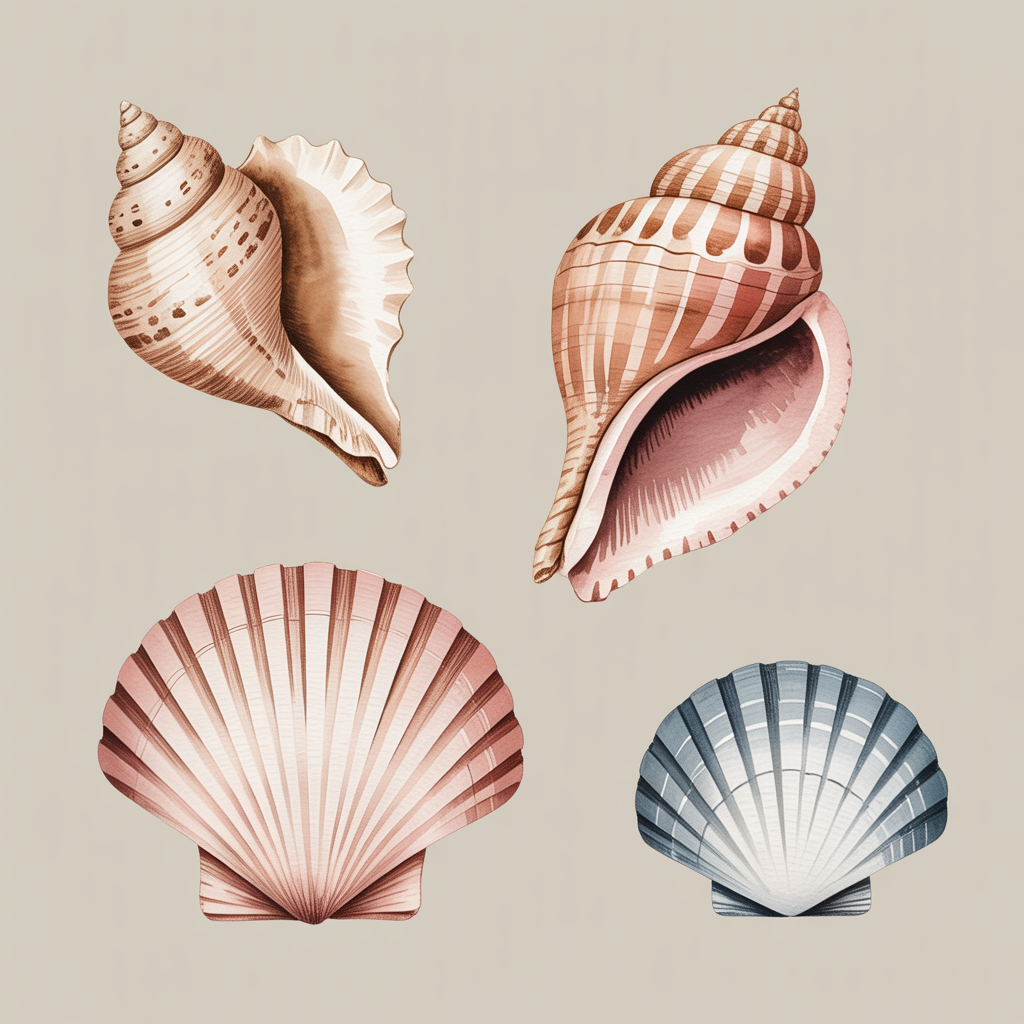
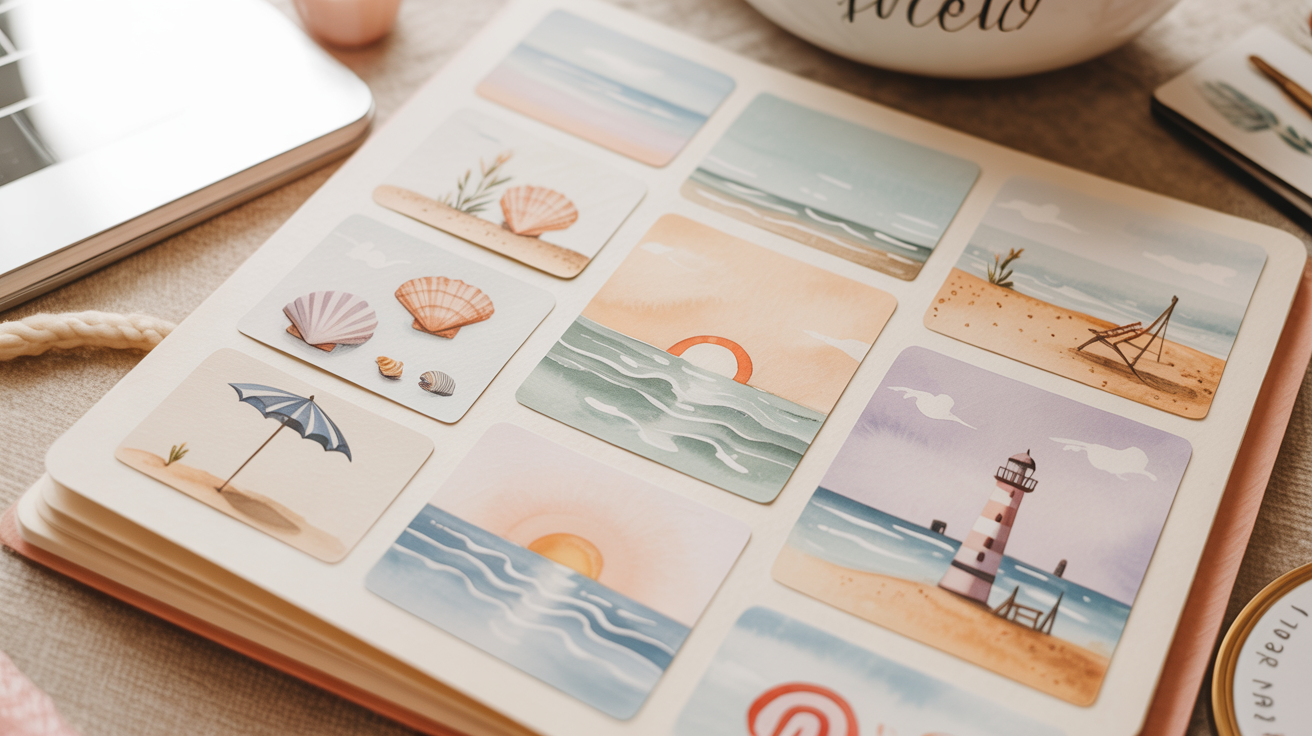
Imagine finding three shells in different shapes and sizes along the shore. Lightly outline each shell with simple curves and ridges. Fill the shapes with soft washes of warm tan and cool gray for contrast. Use minimal brushwork to keep the focus on their organic forms.
This idea brings attention to small treasures that often go unnoticed. The variety of shapes and subtle color shifts make each shell feel unique and grounded in nature. It’s perfect for practicing control over your washes.
Haw to draw it: sketch three shell outlines with gentle curves; add ridge lines inside each form; apply a warm tan wash on one shell; use gray-blue on another; blend a light pink on the third; let layers dry before adding fine pencil details
Distant Lighthouse
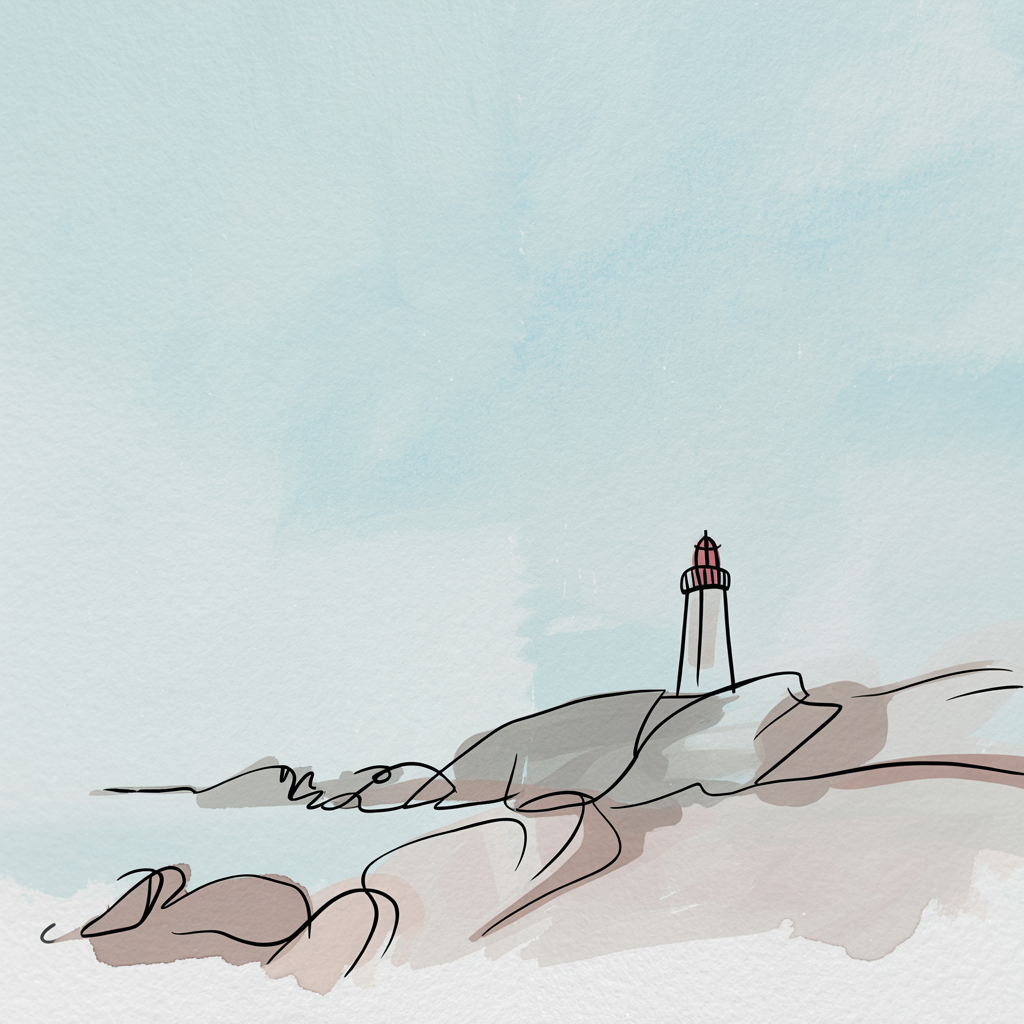
Picture a lone lighthouse perched on a rocky outcrop by the sea. Draw a simple cylinder for the tower and a small rectangle for the light room. Wash the sky in pale blue and add light gray rocks below. Keep the shapes basic to maintain a sense of distance.
The contrast between the tall, straight tower and the irregular rocks creates visual interest. This scene works because it balances architectural structure with natural textures. It’s an easy study in proportion and atmosphere.
Haw to draw it: sketch a vertical cylinder and a small square top; paint the sky with a light blue wash; mix gray and brown for the rocky base; add a thin red or yellow stripe on the lighthouse; finish with light pencil shading
Simple Beach Umbrella
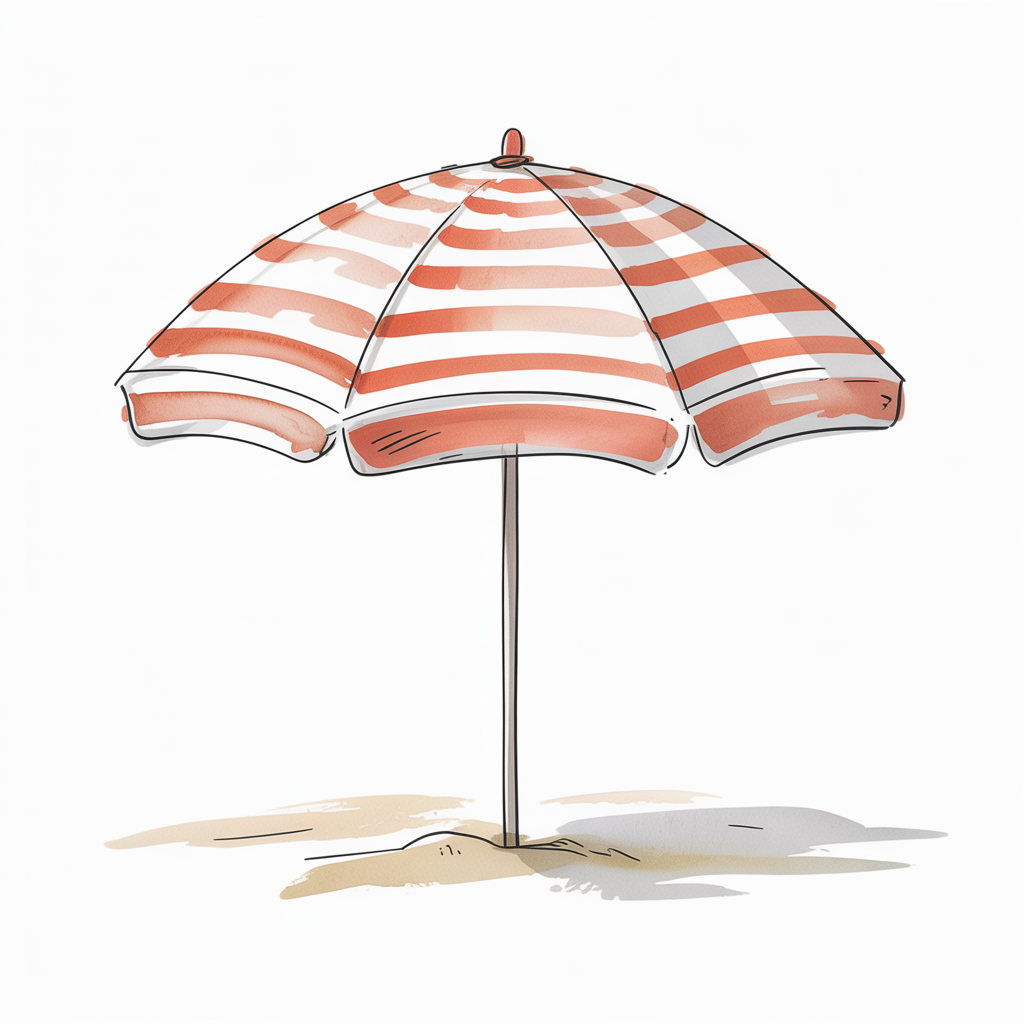
Visualize a striped umbrella set up on soft sand. Draw an arc for the canopy and a straight line for the pole. Paint alternating sections in two contrasting colors, like coral and white. Add a light wash of sand around its base to ground the scene.
This idea works because it uses bold stripes to create a focal point. The combination of curved and straight lines keeps the composition dynamic. It’s a playful way to practice clean color application.
Haw to draw it: sketch a semi-circle for the canopy; divide it into equal triangles; paint alternating triangles in coral and white; draw a thin pole beneath; wash a light tan area for the sand
Soft Sand Dunes
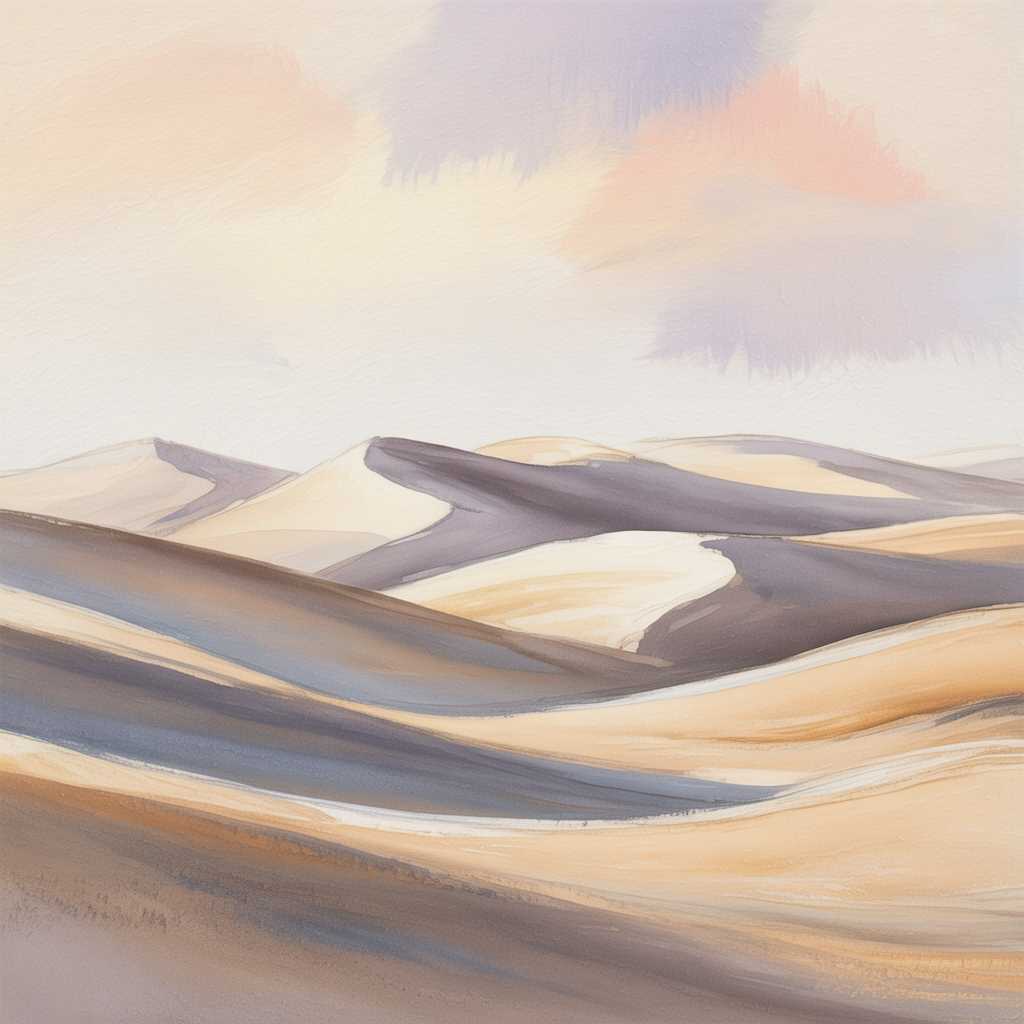
Envision rolling dunes under a pastel sky. Outline two or three gentle hills with smooth curves. Fill each dune with a light wash of beige or warm gray. Use a slightly darker tone at the base to suggest depth.
This idea captures the subtle shapes and muted colors of dune landscapes. The simple curves guide your eye across the page, creating a soothing flow. It’s ideal for working on value contrast.
Haw to draw it: trace three overlapping curves for dunes; apply a pale beige wash on the front dune; use a light gray wash on the middle; add a touch of warm brown on the back dune; soften edges while wet
Tide Pool Reflections
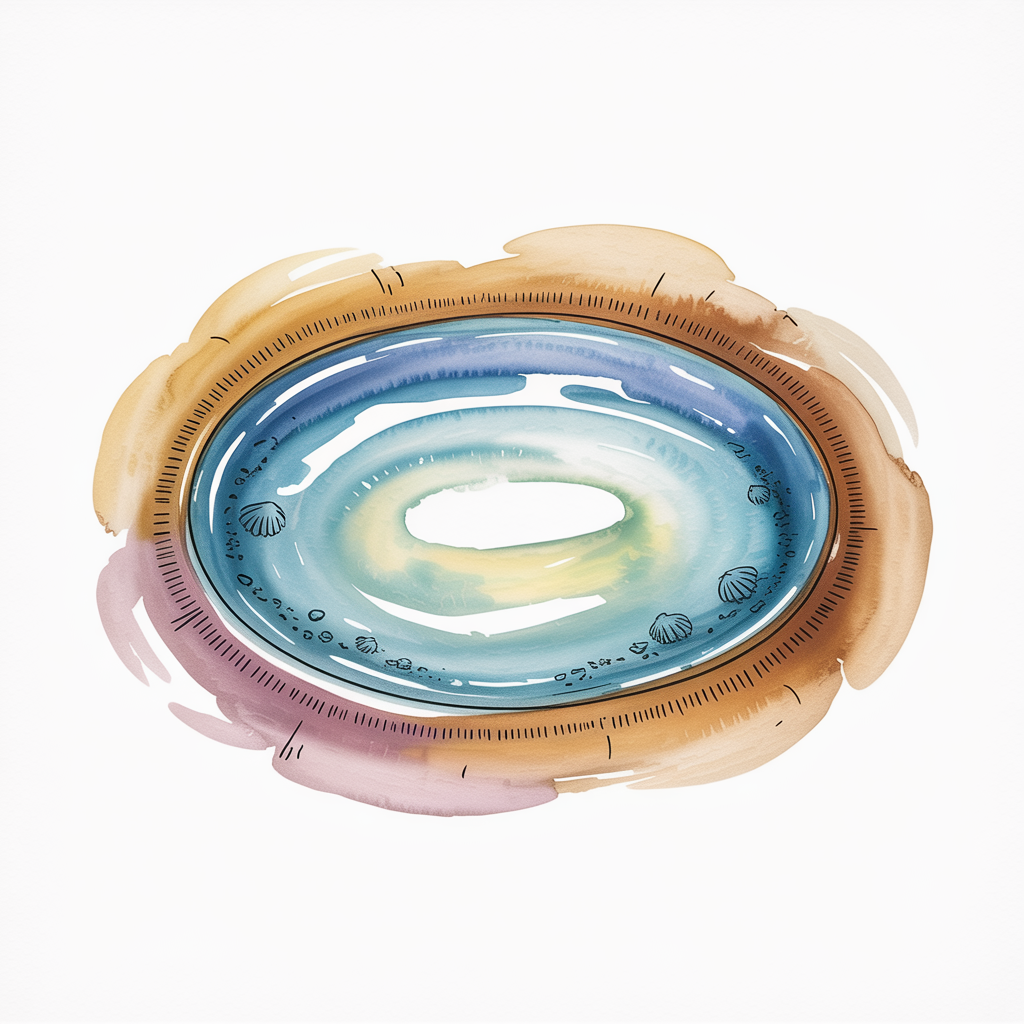
Imagine peering into a shallow pool where sky and shells reflect. Sketch a loose oval to mark the pool’s edge. Paint a soft blue wash inside, leaving white spots for reflections. Add small shell shapes at the bottom.
This scene works by combining reflection and texture in one view. The contrast between smooth water and solid shells adds interest. It’s a delicate way to explore how light plays on water surfaces.
Haw to draw it: draw an oval outline lightly; fill with a pale blue wash; blot a few white areas for highlights; paint small shell shapes in muted tones; add fine pencil lines for cracks in shells
Flowing Sea Grass
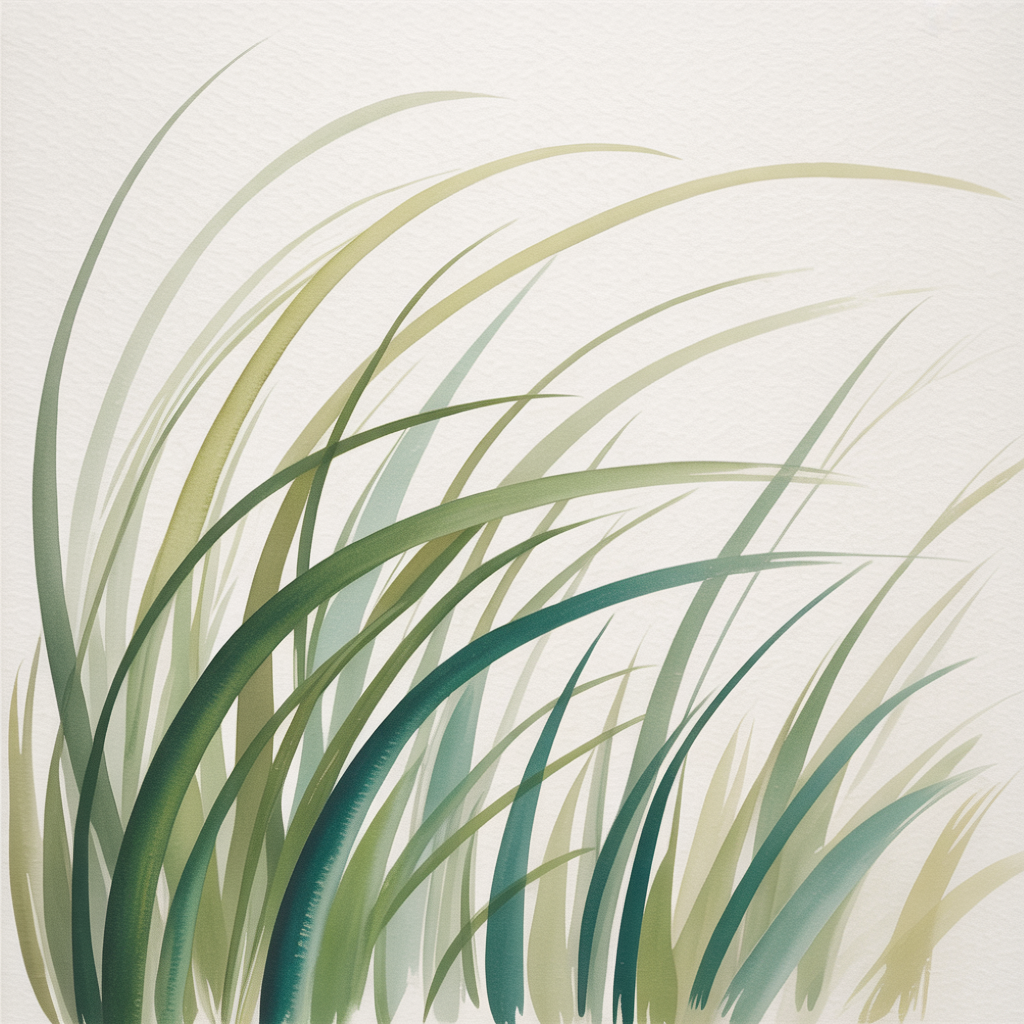
Picture tall grass swaying near the shoreline. Draw several long, curved lines rising from the bottom of the page. Use a mix of light and dark green washes to differentiate blades. Leave some gaps for a breezy feel.
This idea captures movement through variations in color and line thickness. The overlapping blades hint at depth without complex detail. It’s a relaxing exercise in controlling brush pressure.
Haw to draw it: paint five to seven curved strokes in light green; add darker green strokes beside some; vary the height and angle; let parts overlap naturally; leave white spaces between blades
Driftwood Silhouette
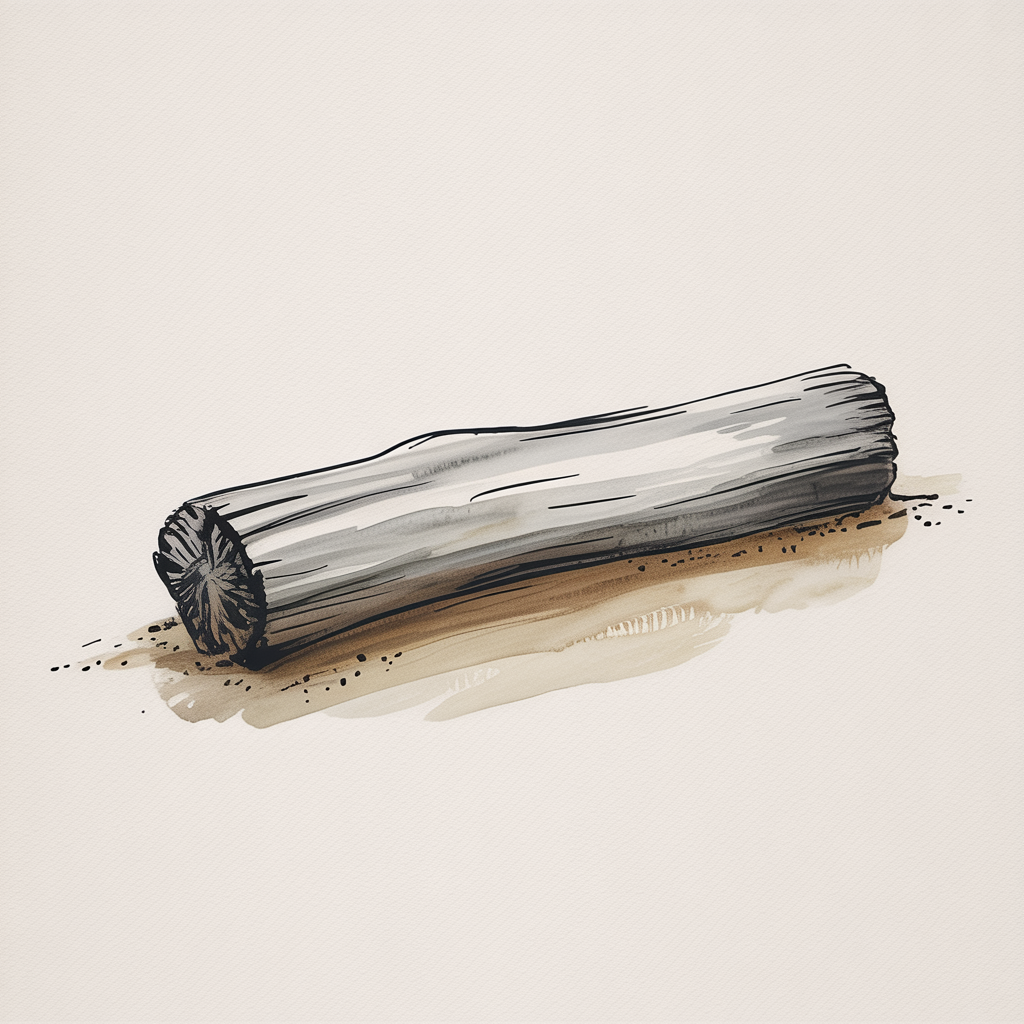
Imagine a weathered branch resting on the sand. Sketch its irregular outline with soft angles. Apply a light gray wash to fill the shape, then layer a slightly darker wash for texture. Keep the silhouette simple and unbroken.
This idea works because it emphasizes form over detail. The silhouette creates a strong graphic element against the paper. It’s a good study in negative space and contrast.
Haw to draw it: outline the branch shape; fill with a flat gray wash; let it dry; add darker streaks along natural grooves; touch up edges to keep them crisp
Starfish Close-Up
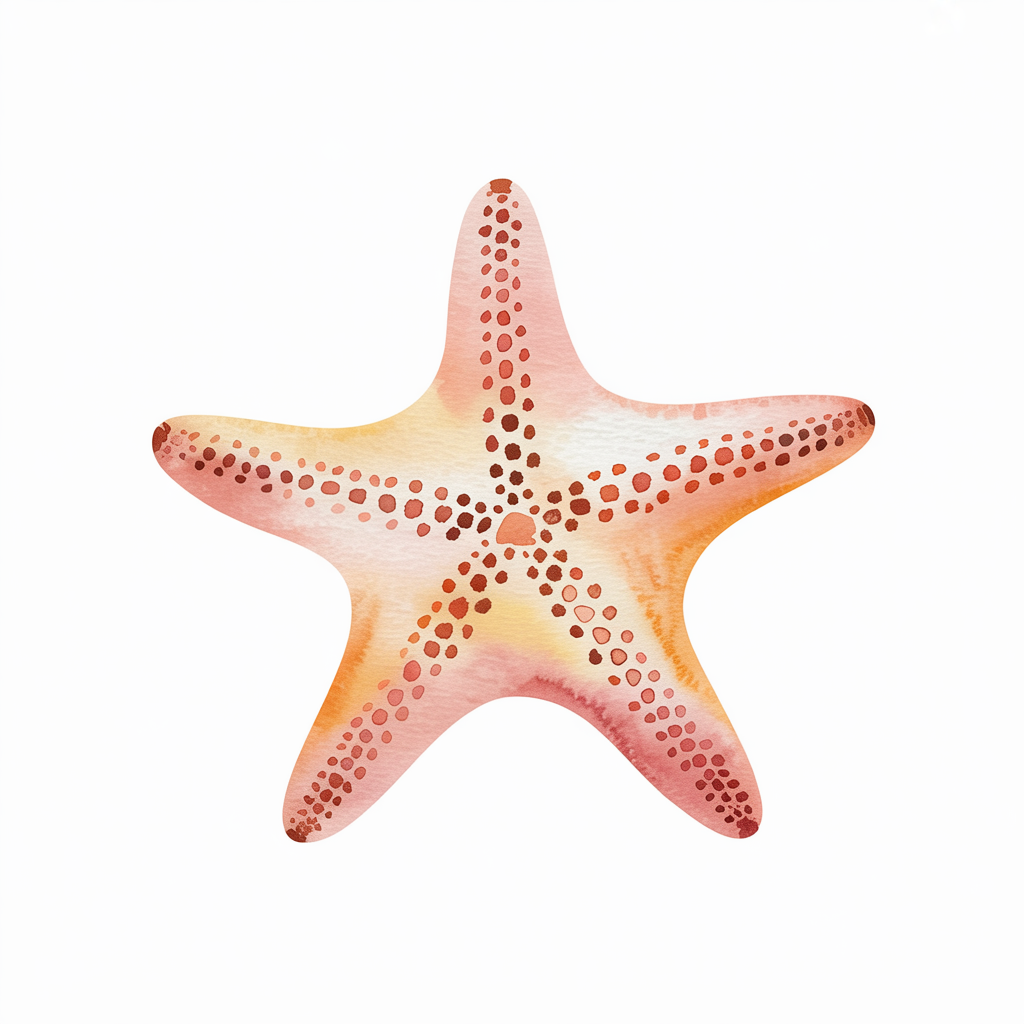
Visualize a single starfish seen from above. Draw a five-pointed shape with slightly curved arms. Paint a warm orange or soft pink wash, then dot the center and tips with a darker tone. Keep the background clean.
This scene draws attention to symmetry and texture. The starfish’s shape is simple yet distinctive. It’s a focused exercise in layering color and small details.
Haw to draw it: sketch a star shape with rounded arms; apply a light orange wash all over; let dry; add tiny darker dots in the center and at each arm’s tip; softly blend edges
Seagull in Flight
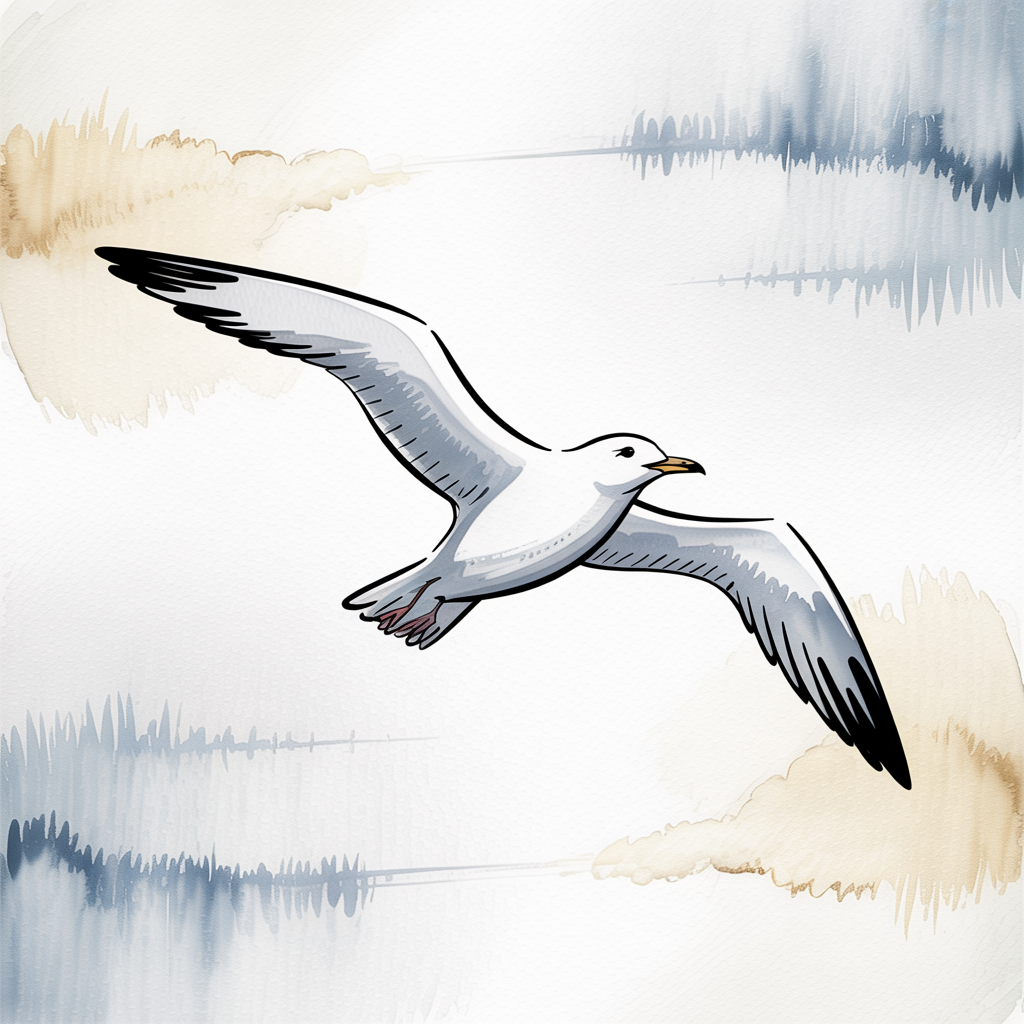
Picture a lone seagull gliding above the water. Sketch two simple curved lines for wings and a small body shape. Paint the bird in light gray with a touch of warm white. Suggest movement by leaving wing tips faint.
This idea works by capturing motion through minimal marks. The simple outline helps you focus on shape rather than detail. It’s a swift way to practice expressive line work.
Haw to draw it: draw a V shape for wings; add a small oval body below; wash with pale gray; leave the wing edges lighter; paint a tiny yellow beak
How to use
Feel free to mix and match these scenes on one page or as separate studies. Use them as art cards, wall accents, or mindfulness prompts. Try painting a new idea each day to build a gentle routine. Let the process guide your focus toward calm moments.
Common mistakes
Applying too much water can wash out your colors and blur edges. Pressing hard with your brush or pencil can leave unwanted marks. Overworking a single area often leads to muddy tones. Remember to pause and let layers dry before adding new washes.
FAQ
What paper weight should I choose? A paper weight of at least 140 lb works best to prevent buckling.
Can I use other brushes? A round brush in sizes 6 or 8 offers control for both details and washes.
Do these ideas work with other paints? Gouache or heavily diluted acrylic can mimic watercolor, though they dry differently.
How long does each painting take? Most scenes finish within 15 to 30 minutes, depending on drying times.
Serene Seaside Inspiration
These simple beach watercolor ideas invite you to slow down and enjoy each brushstroke. Save the ones you love or return whenever you seek a quiet creative moment. Let the gentle colors and shapes bring a sense of calm to your day. We hope your art practice feels like a peaceful pause by the shore.