10 easy animal watercolor ideas
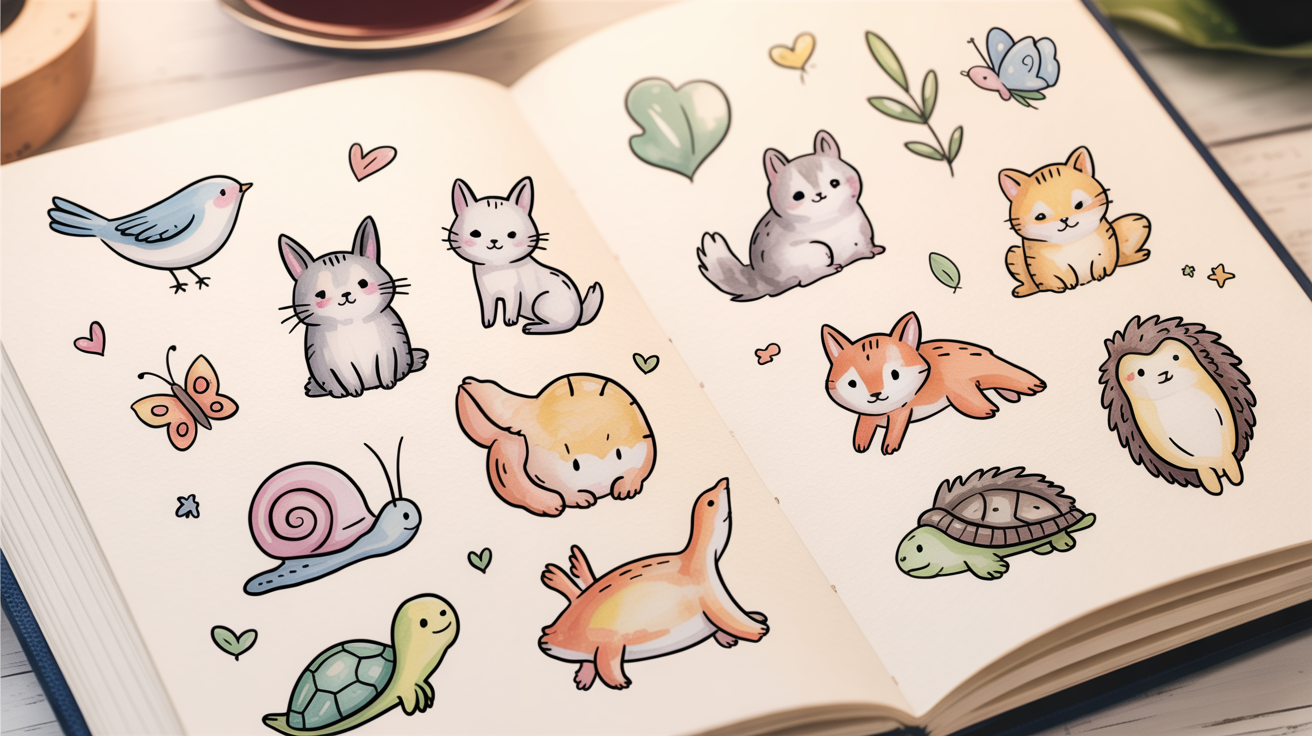
You have probably admired delicate watercolor animals and wondered how to bring that same calm charm into your own space. The blank page can feel intimidating when you aim for perfect details. At the same time, you seek art that suits a mindful home or a serene garden corner. These simple animal motifs offer a gentle entry into watercolor without overwhelming steps. With each soft wash and minimal form, you can create soothing pieces that fit your aesthetic and daily routine.
How to start drawing
Many people hesitate because they expect complex shapes and shading techniques. By focusing on basic forms, you simplify the process and reduce stress. A minimal approach invites you to enjoy the flow of watercolor rather than chase perfection.
- Simple circles and ovals
- Straight or gently curved lines
- Soft, light washes of color
- Small, purposeful details
Simple Supplies for This Style
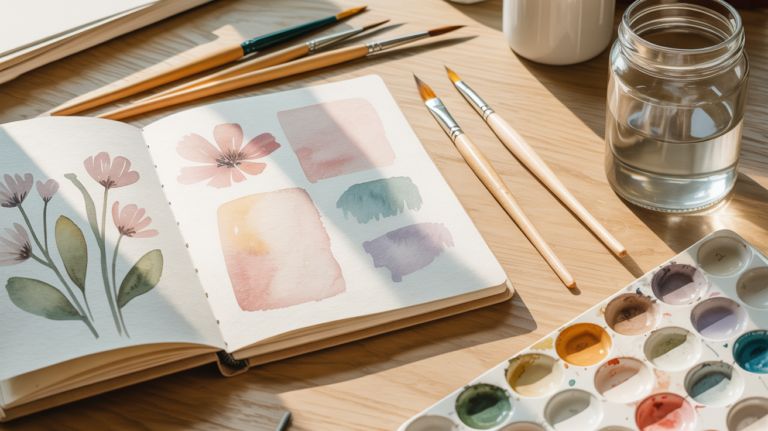
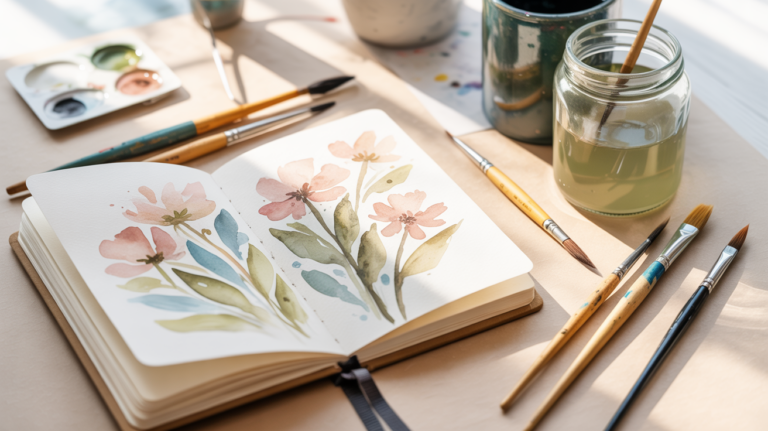
Gather just a few items before you begin:
- Cold-press watercolor paper
- A round brush (size 4 or 6)
- A pan set of watercolor paints
- A HB pencil and a soft eraser
- A small container of clean water
Gentle Bird Silhouette
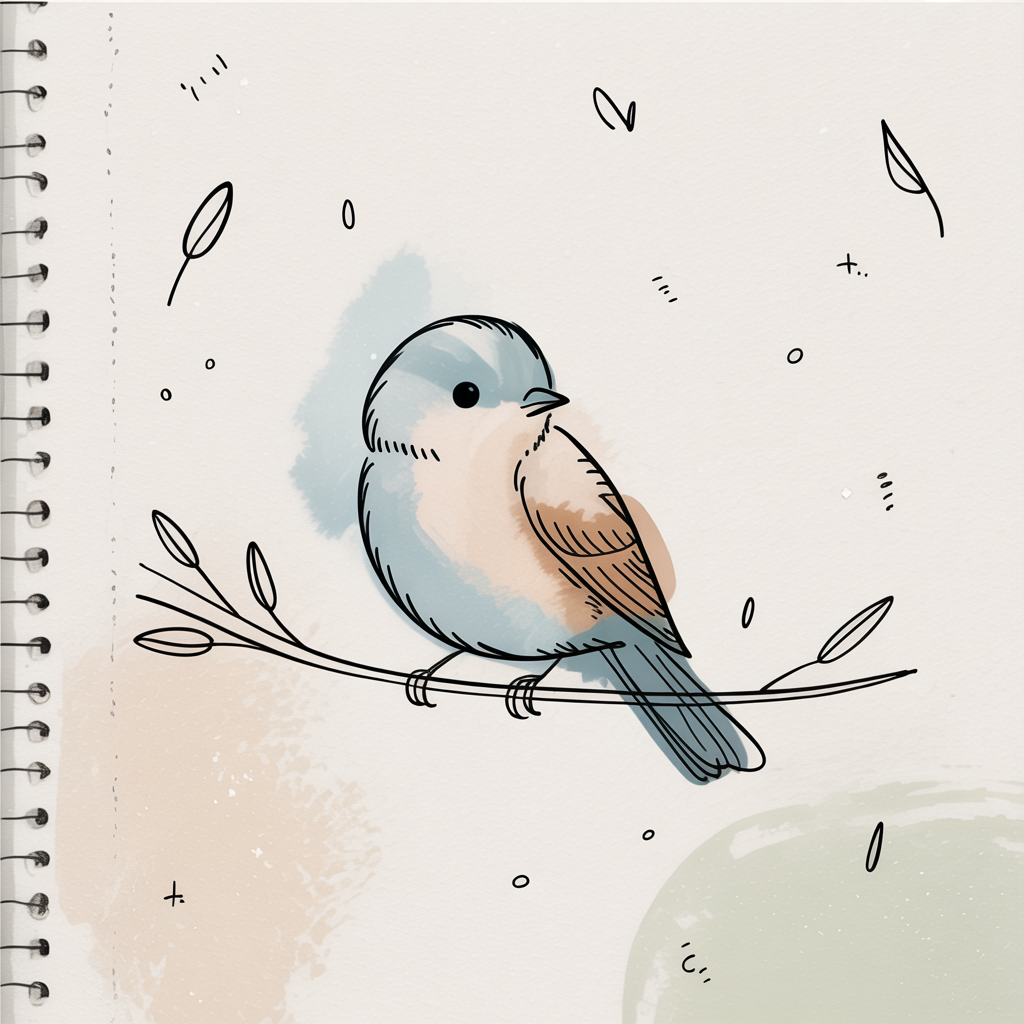
Paint a small bird perched on a branch to bring a touch of nature indoors. The silhouette style keeps the focus on shape and color rather than intricate feathers. It fits well on a shelf, in a simple frame, or printed on a card for a calm accent.
This idea works because the empty space around the silhouette creates a peaceful, uncluttered look. The minimal approach allows color variations in the wash to stand out. It feels special when you see the color flow along the bird’s back.
How to draw it:
- Sketch a teardrop shape for the body and a small circle for the head.
- Add a tiny triangle beak and a curved line for the tail.
- Wet the body area lightly with clean water.
- Apply a soft color wash and let the paint pool at the edges.
- Once dry, use a thin brush to define the eye with a single dot.
Playful Kitten Pose

Capture a curious kitten stretching or sitting with paws tucked in. The soft contours of its body make it a relaxing subject for watercolor practice. You can place it on a desk or near a plant to add a cozy atmosphere.
The gentle curves of the kitten’s back and tail give you opportunities to explore gradient washes. Light and shadow come alive with a few well-placed strokes. It looks charming with minimal detail on the paws and face.
How to draw it:
- Draw a small oval for the head and a larger oval for the body.
- Add simple curved lines for ears and the tail.
- Use a pale wash for the main coat color and let it dry slightly.
- Layer a second, slightly darker wash on the back and tail base.
- Finish with a fine brush to mark the eyes, nose, and whiskers.
Sweet Bunny Silhouette
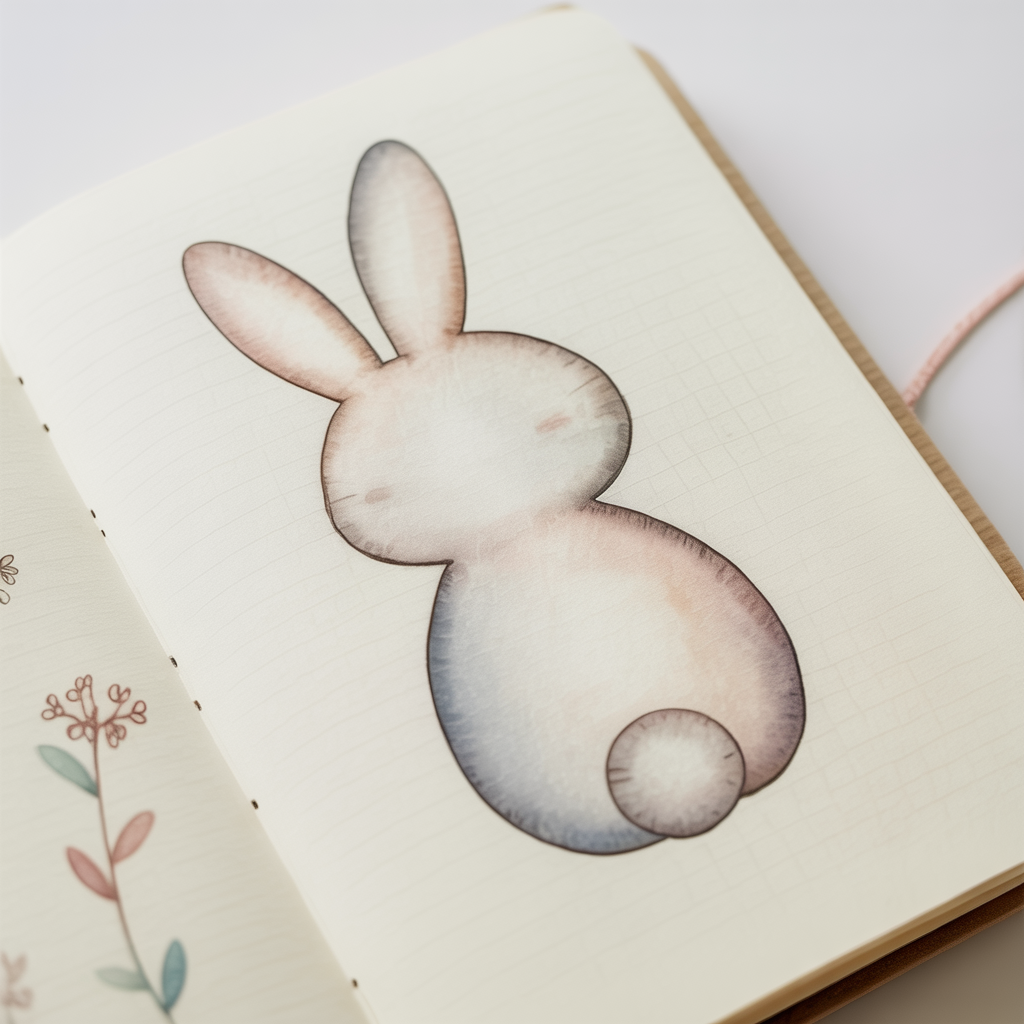
A bunny with upright ears and a round body brings simple joy to any corner. Its silhouette form is welcoming but still straightforward to paint. It works well on note cards or as part of a gallery wall with other silhouettes.
The bunny’s clean lines and gentle curves help you focus on smooth washes. The shape is distinct, so even a loose brushstroke gives it character. The minimal design keeps the mood light and airy.
How to draw it:
- Trace a circle for the head and a larger oval for the body.
- Connect with a soft curved line for the back.
- Sketch two long ears with rounded tips.
- Apply a single tone wash and let pigment settle near edges.
- Add a faint halo of water around the silhouette to soften boundaries.
Curious Fox Profile
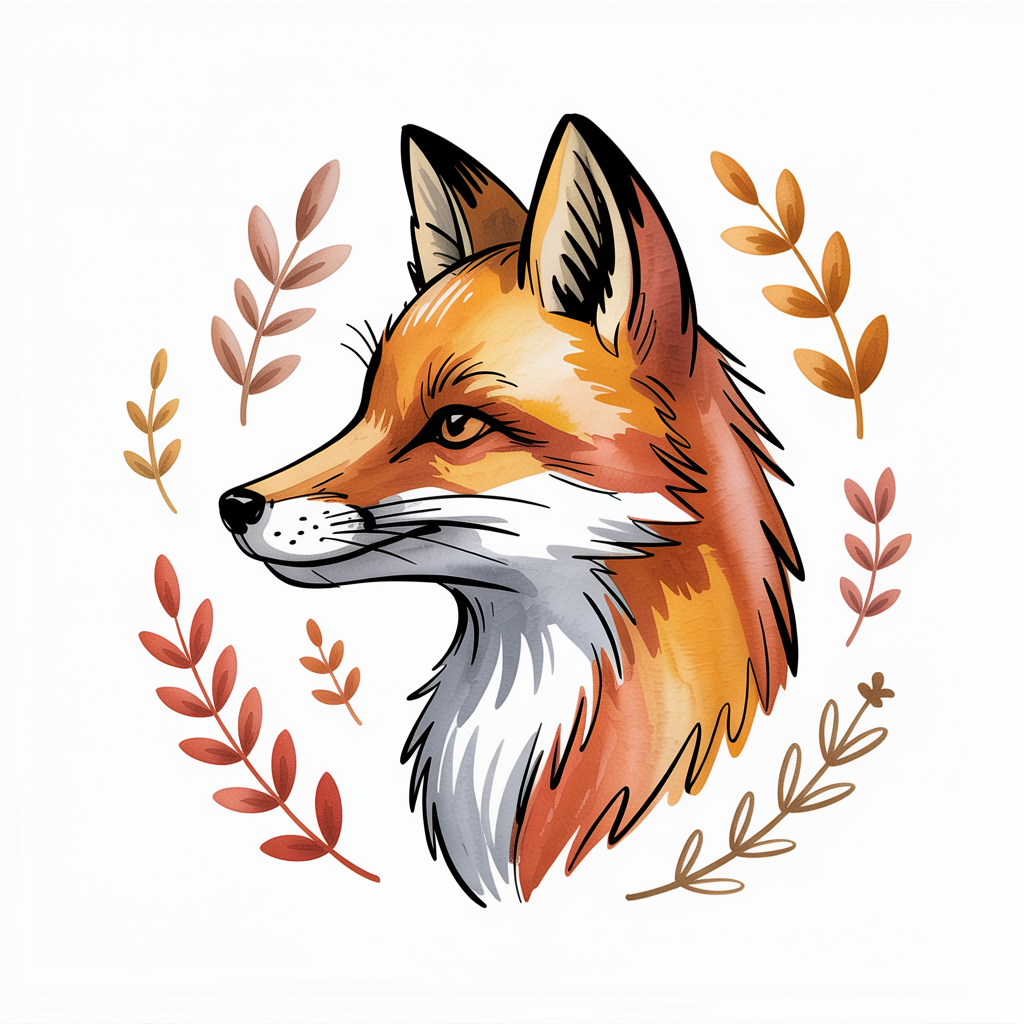
A side view of a fox head captures alertness in its pointed snout and upright ears. This profile is easy to outline and brings a bit of woodland magic into your home. Placed near a cozy reading nook, it enhances a calm, nature-inspired space.
The fox’s triangular forms contrast nicely with loose watercolor edges. That balance of structure and softness makes it a standout. You can highlight ear tips and fur texture with controlled, darker strokes.
How to draw it:
- Draw a triangle for the snout and a larger triangle for the ear.
- Add a curved line for the skull and neck.
- Wet the face area and apply an orange-brown wash.
- While still damp, drop in a deeper hue at the jawline.
- Use a thin brush for the eye and ear details once dry.
Garden Snail Outline
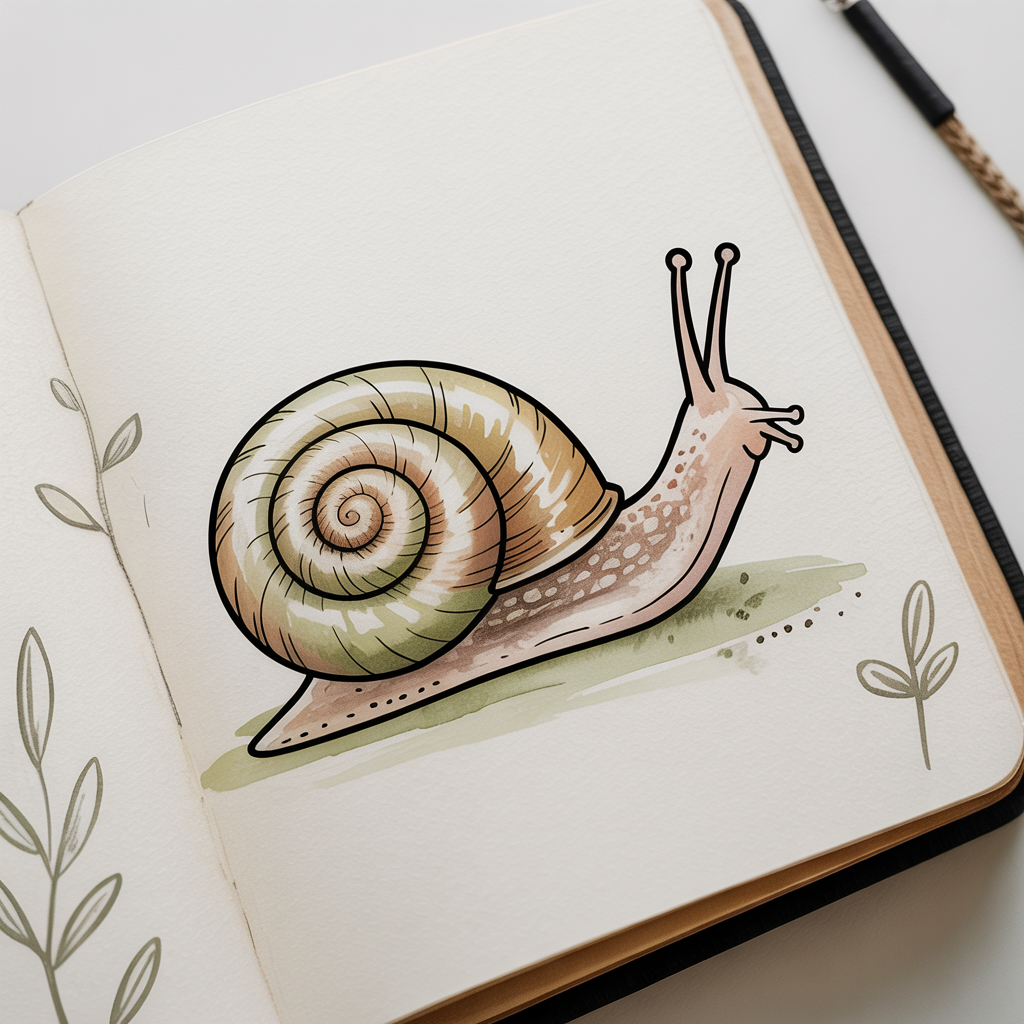
A simple line drawing of a snail on a leaf adds a whimsical touch. The spiral shell shape contrasts with the gentle curve of the snail’s body. It looks delightful framed by real or painted leaves.
The spiral is a natural focal point that you can fill with gradient color. The elongated body invites a soft gray wash. Together, they create a calm, organic look perfect for indoor plants.
How to draw it:
- Sketch a spiral for the shell, starting from the center outward.
- Draw two parallel curved lines for the body.
- Wet the shell area and apply a muted earth tone.
- Layer a darker wash at the spiral’s outer rings.
- Finish with a thin gray wash on the body, leaving highlights for shine.
Tranquil Goldfish Swim
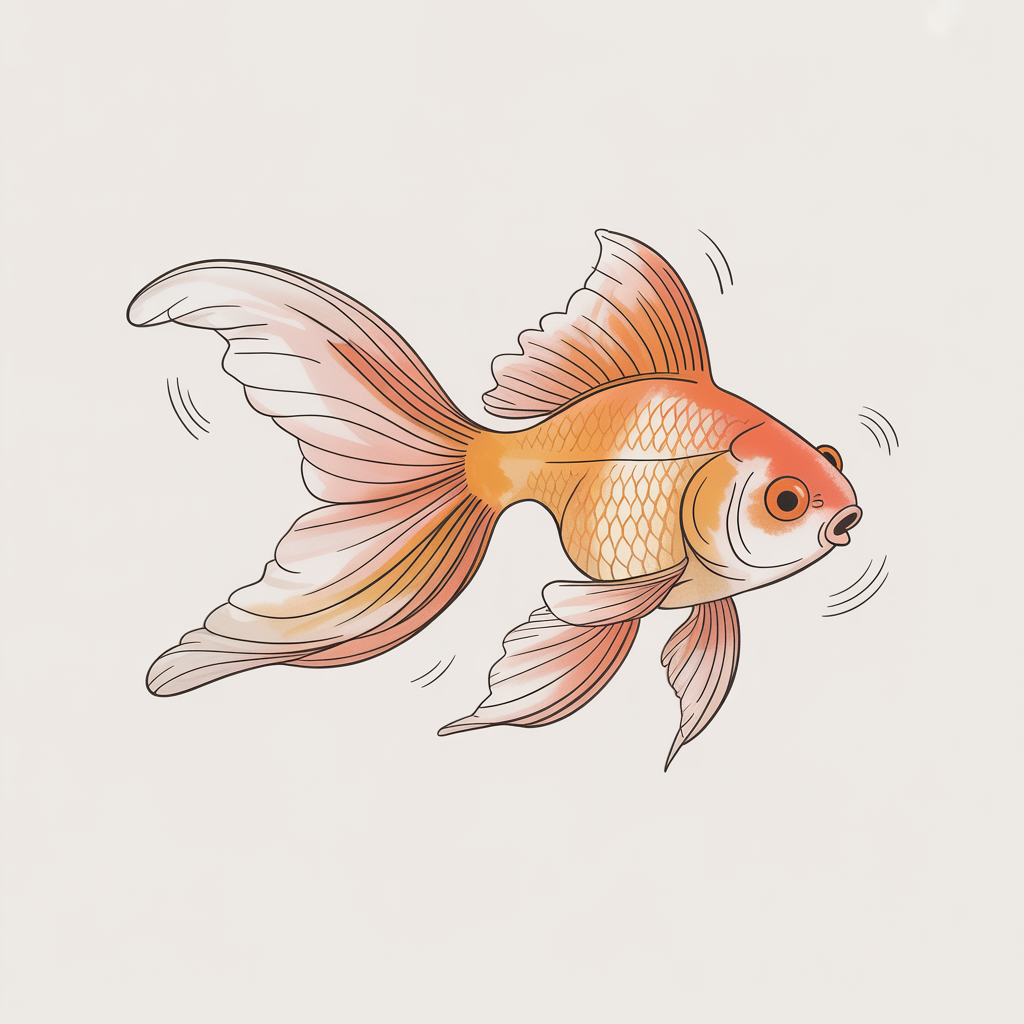
A goldfish with flowing fins adds a sense of movement and calm. The elongated fins let you practice wet-on-wet blending. A small bowl or water ripple at the bottom completes a peaceful scene.
The fish’s simple curves and semi-transparent fins look enchanting in watercolor. You can blend orange and red to create depth. The soft edges hint at underwater motion.
How to draw it:
- Outline a teardrop shape for the body and wavy lines for fins.
- Wet the fins and drop in pale orange to let it bleed outward.
- Apply a brighter orange to the body and let it blend gently.
- Use a fine brush to define the eye with a small dark dot.
- Add subtle shadow under the body with a diluted gray wash.
Delicate Butterfly Wings
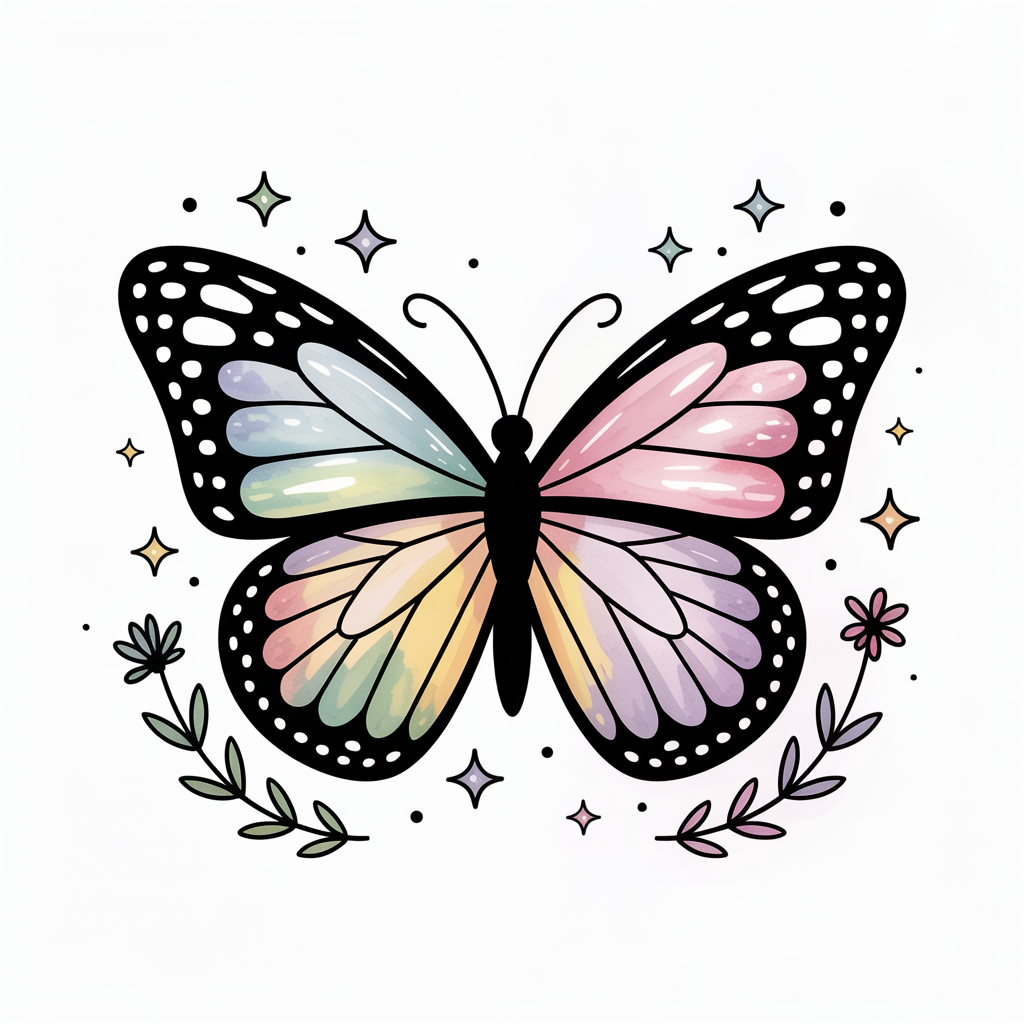
A butterfly with open wings is both light and intricate. You can experiment with color gradients across each wing. Display it on a pastel background for a spring-fresh accent.
The wing patterns allow you to play with symmetry and soft washes. The contrast between wing veins and fluid color fills gives it a gentle structure. It feels special as a standalone piece or part of a series.
How to draw it:
- Sketch a small oval for the body and two pairs of wing outlines.
- Draw simple vein lines within each wing.
- Wet one wing section at a time and apply a gradient wash.
- Clean your brush before moving to the next section to avoid mud.
- Add darker accents along the veins once the wash is dry.
Little Turtle Shell
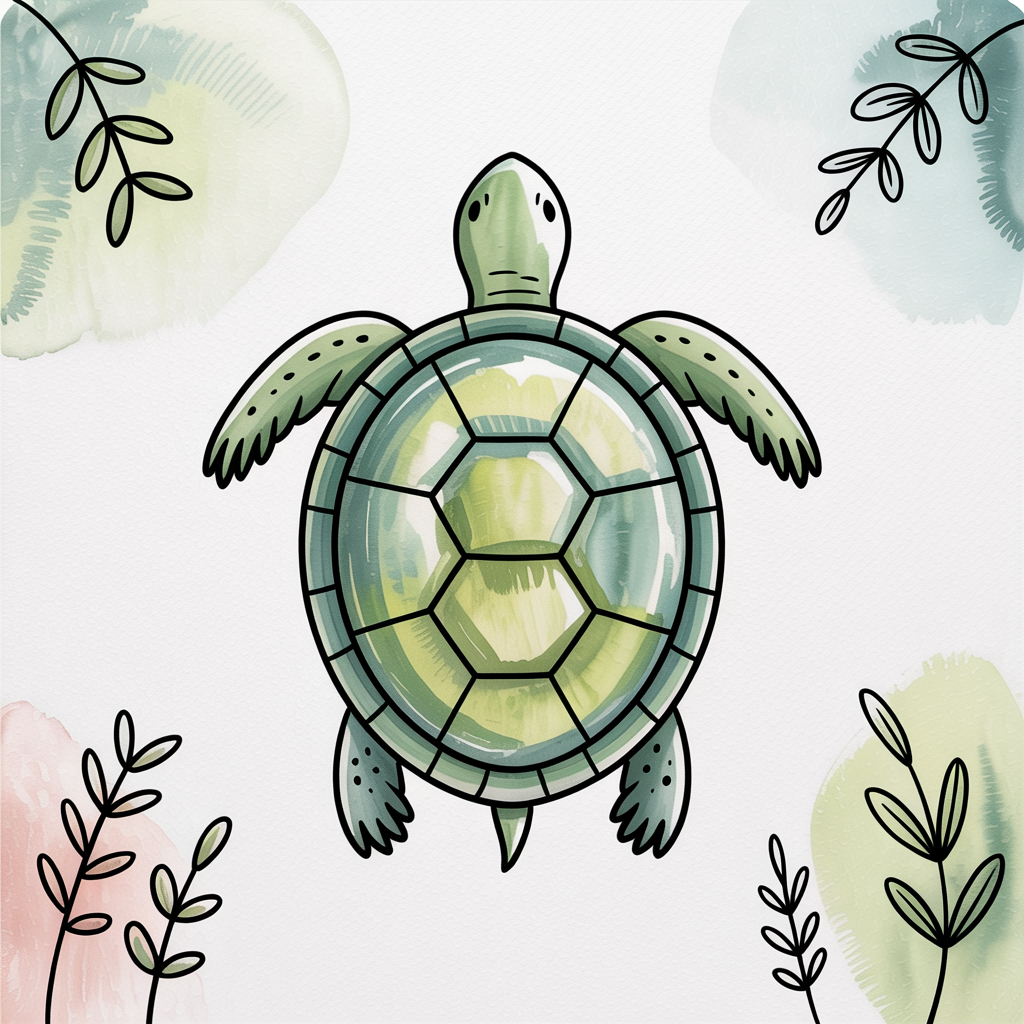
A top-down view of a turtle shell shows natural mosaic patterns. The hexagons invite you to mix green and brown washes. It works beautifully on coasters or small canvas panels near a plant.
The shell’s geometric pattern gives a clear guide for watercolor sections. You can vary color in each cell for a mosaic effect. That gentle variation keeps the piece visually calm yet interesting.
How to draw it:
- Draw a large oval for the shell and smaller hexagons inside.
- Sketch the head and four simple paw shapes around the shell.
- Wet the shell and apply a light green wash.
- Drop in darker green or brown into each hexagon for depth.
- Outline legs and head with a thin wash of the same brown tone.
Quiet Hedgehog Curl
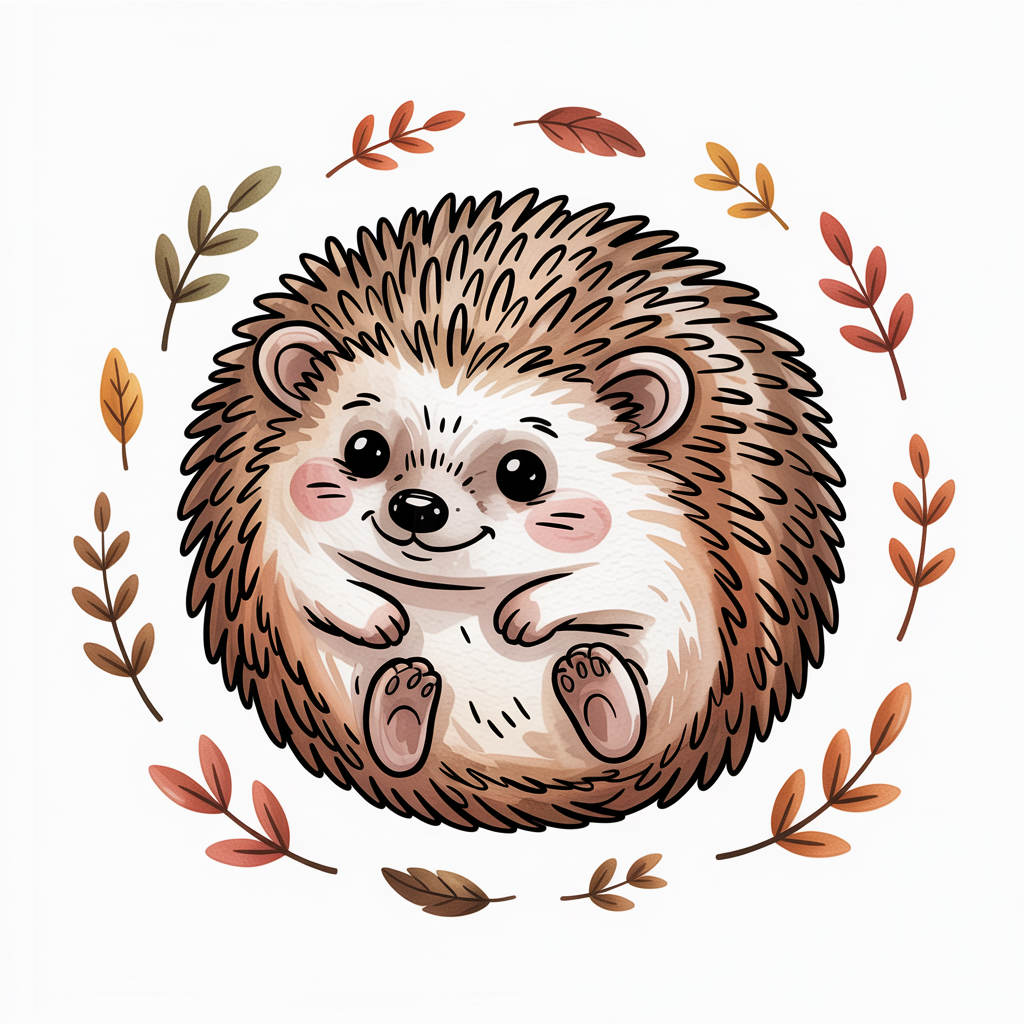
A curled hedgehog forms a hedgehog-shaped spiral, perfect for mindful painting. The spines can be suggested with short, uneven strokes. It fits a shelf or a small plant pot backdrop.
The contrast between the round body and spiky texture makes it engaging yet simple. You can keep the center light and add darker tips for depth. It creates a cozy, tucked-in feel.
How to draw it:
- Sketch a circular form for the body and a smaller circle inside.
- Add short, angled lines around the outer circle for spines.
- Wet the body area and paint a light brown wash.
- While still damp, touch each spine tip with a darker hue.
- Once dry, use a fine brush for the eye and snout dot.
How to use
Once painted, you can frame these small works for a gallery wall or place them on floating shelves with plants. They make gentle greeting cards or tags for garden-themed gifts. You may also scan and print them on fabric or stationery to create a cohesive decor set. Their simplicity lets them blend seamlessly with existing accents.
Common mistakes
Using too much water can cause the paint to pool and lose shape. Skipping the pencil sketch may lead to uneven proportions. Painting details while the paper is still wet can blur edges. Overworking a section by adding too many layers can muddy the colors.
FAQ
Which paper weight is best for beginners? A 140 lb (300 gsm) cold-press paper gives a forgiving, textured surface that holds washes well.
How can I control color bleeding? Allow each wash to dry fully before adding another layer or new color nearby to prevent unintended blending.
What brushes suit these simple designs? A small round brush (size 4 or 6) works well for both washes and fine lines in these minimalist animal studies.
Embrace a gentle watercolor habit
Feel free to return to these ideas whenever you need a moment of calm creativity. Save a few designs that speak to you and try them at your own pace. Let each soft wash and simple form bring peace to your space. Your next mindful painting session is just a brushstroke away.